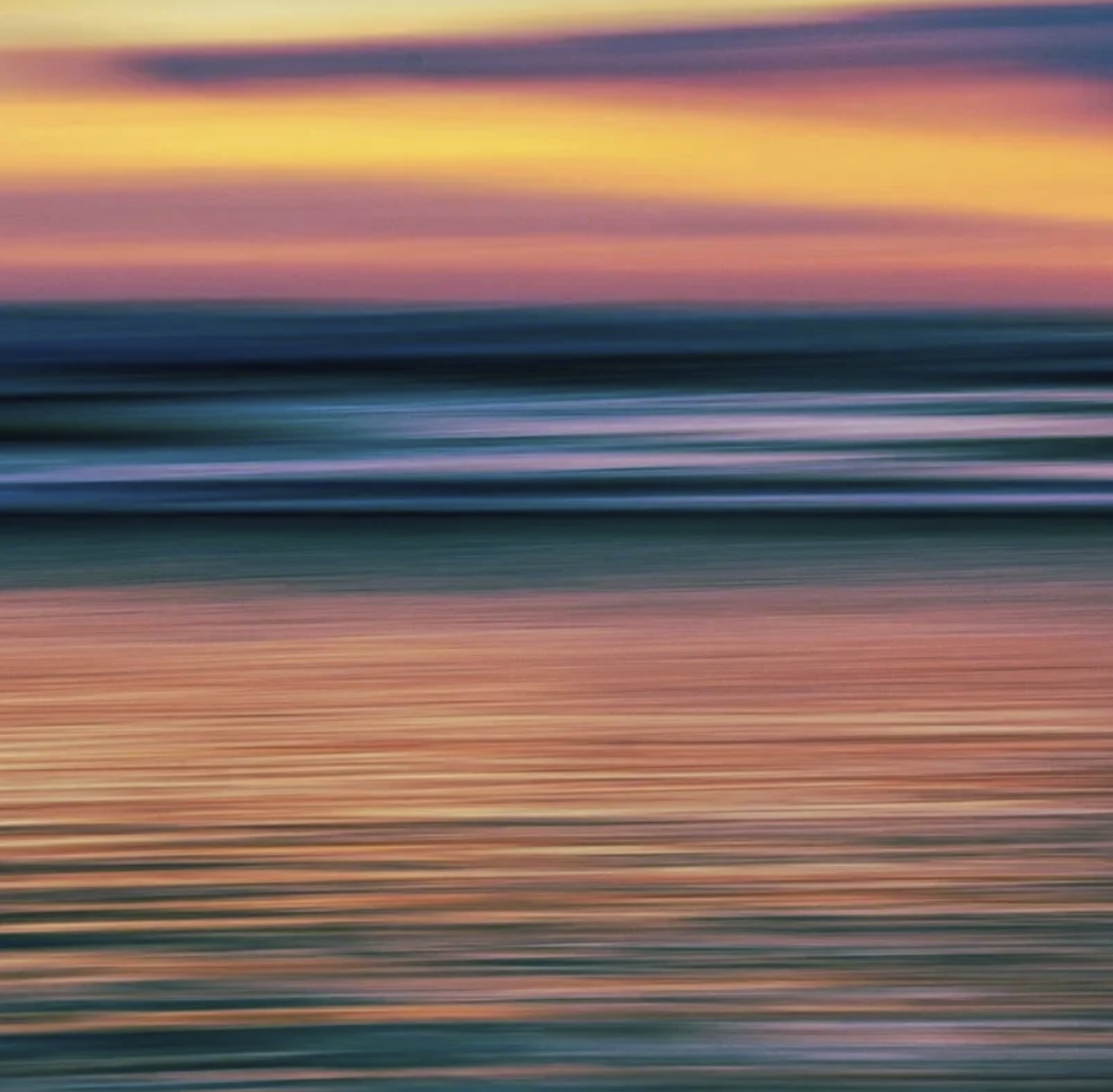
ICM stands for Intentional Camera Movement, a creative photography technique where you deliberately move the camera while the shutter is open. Instead of taking a sharp, traditional photo, you intentionally introduce motion blur to transform a real-world scene into a dreamy, abstract, or impressionistic work of art resembling a painting. It’s lends itself well to comparing with the expressionism or impressionistic art period.
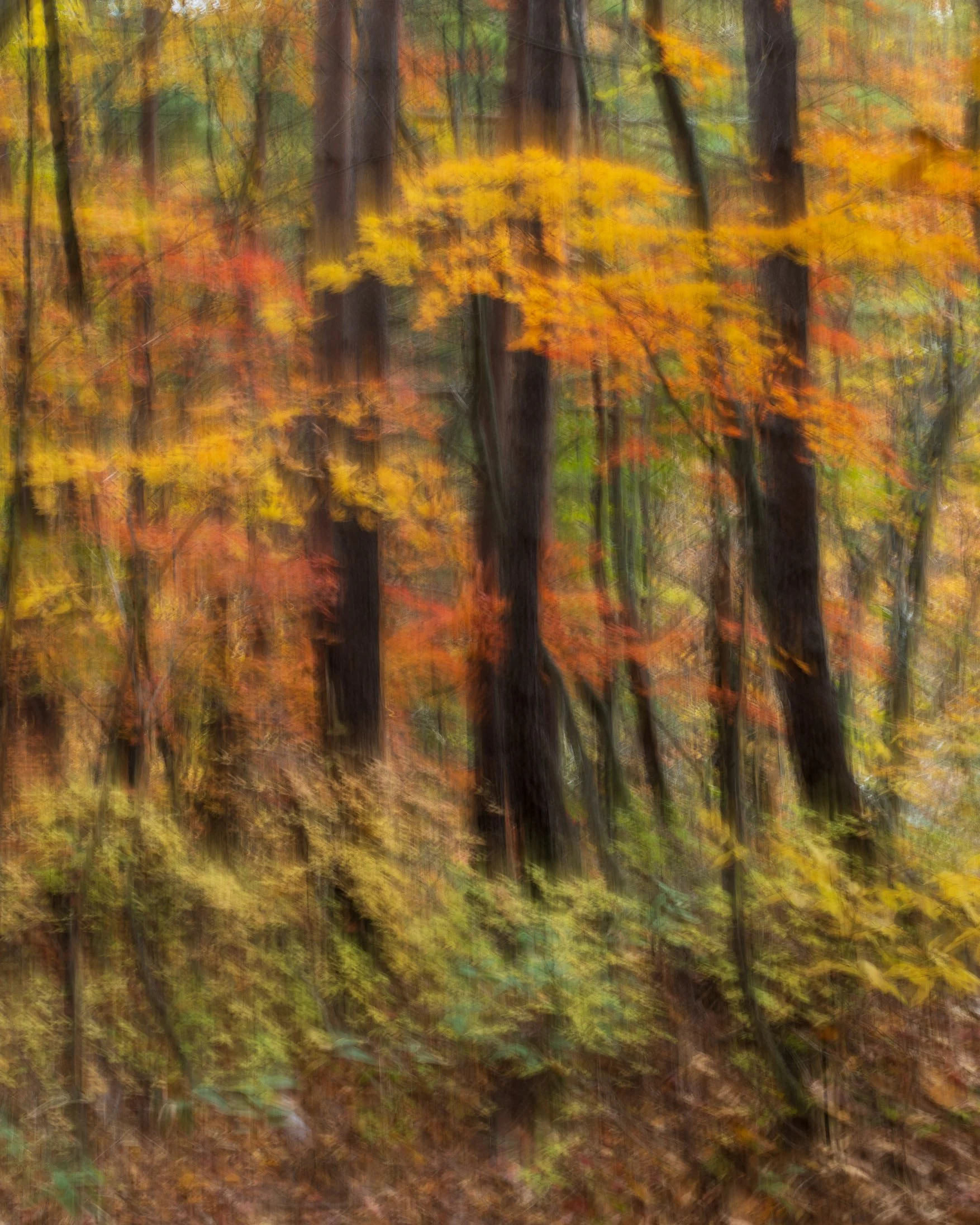
01 SLOW SHUTTER SPEED
The blur effect in these images was created by setting a slow shutter speed and moving the camera. Experiment with different shutter speeds and try moving the camera at different rates. Generally speaking, blur will appear in your images at shutter speeds slower than 1/30 or 1/15s. The slower the shutter speed, the more blur you will get. In these pictures I set the camera’s exposure mode to Shutter Priority (abbreviated as S or Tv on the top dial) and switched the shutter speed to 30 seconds.
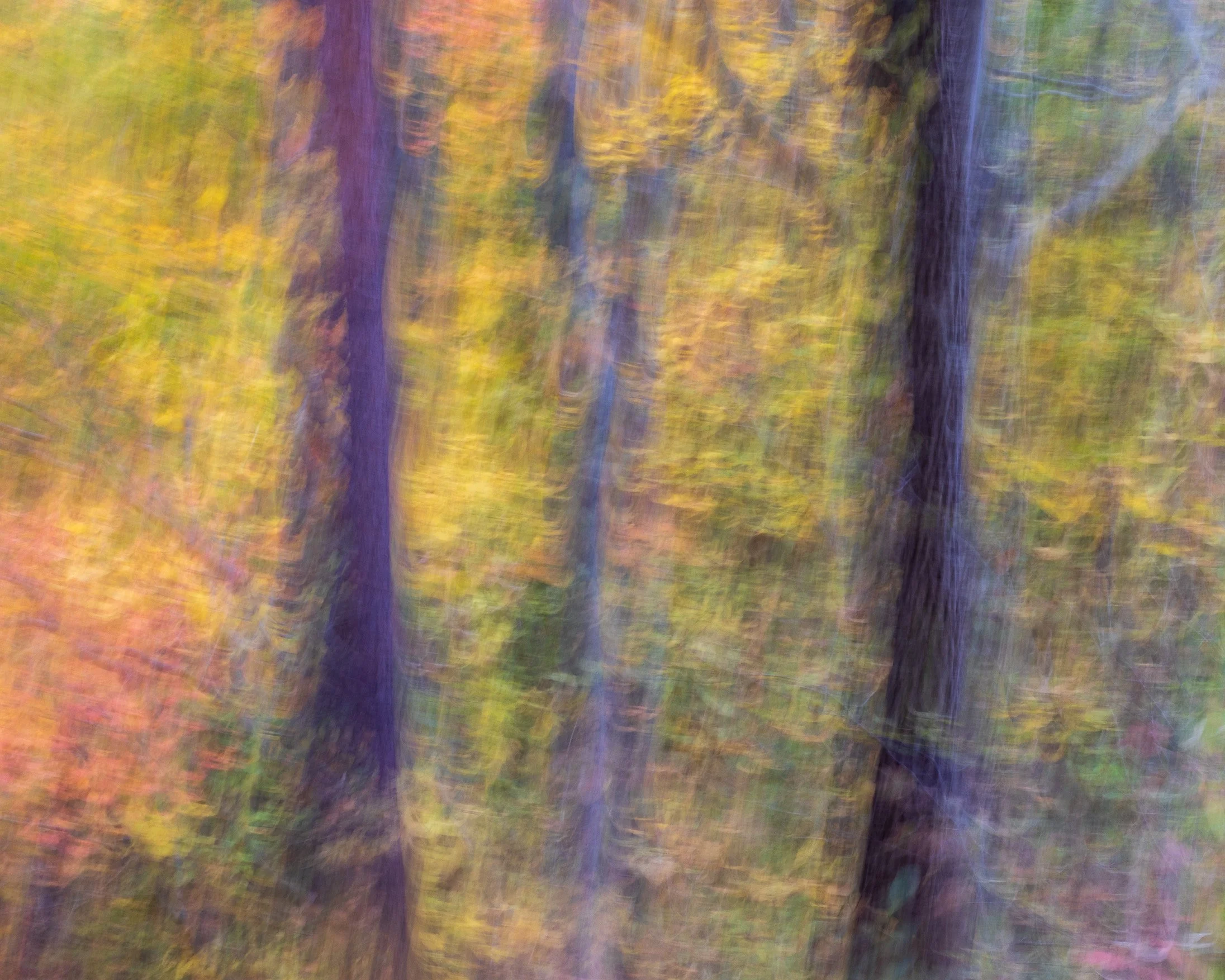
02 MINIMUM ISO
Use your camera’s lowest ISO setting – usually 100 or 200 ISO. This will not only reduce the appearance of noise in your image, it will also allow you to choose a slower shutter speed.
03 NEUTRAL DENSITY FILTER
If you are shooting during the day you will probably find that it is too bright to select a really slow shutter speed. You can reduce the brightness of the scene, and access a slower shutter speed, by placing a neutral density (ND) filter in front of the lens. ND filters work a little like sunglasses, reducing the amount of light that enters the lens. By darkening the scene you can choose a slower shutter speeds and/or a wider aperture. ND filters come in different strengths (ND2 reduces light by 1 stop, ND4 by 2 stops, ND8 by three stops) and are available through most camera stores. (Near dawn and dusk it should be dark enough to use a slow shutter speed without having to use an ND filter.)

04 TRIPOD
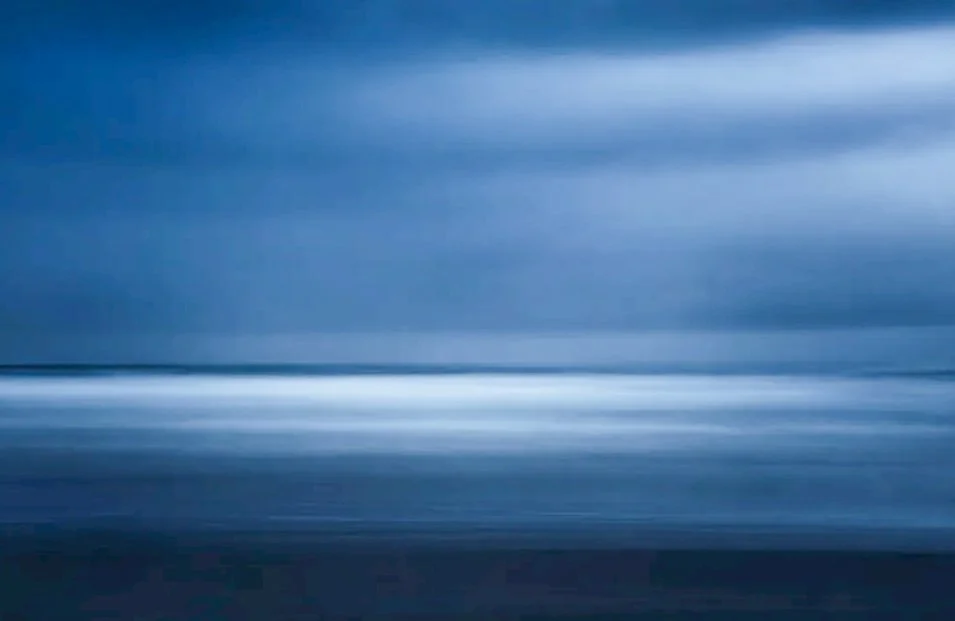
It seems counterintuitive but a tripod can be useful when creating blurred images. In these pictures I mounted the camera on a tripod and slowly panned from left to right. I used a small spirit level to make sure the camera was perfectly level when I took these shots. Experiment with different variations of movement and see which one you like best. A fluid and steady movement will help you avoid jagged edges on the lines.
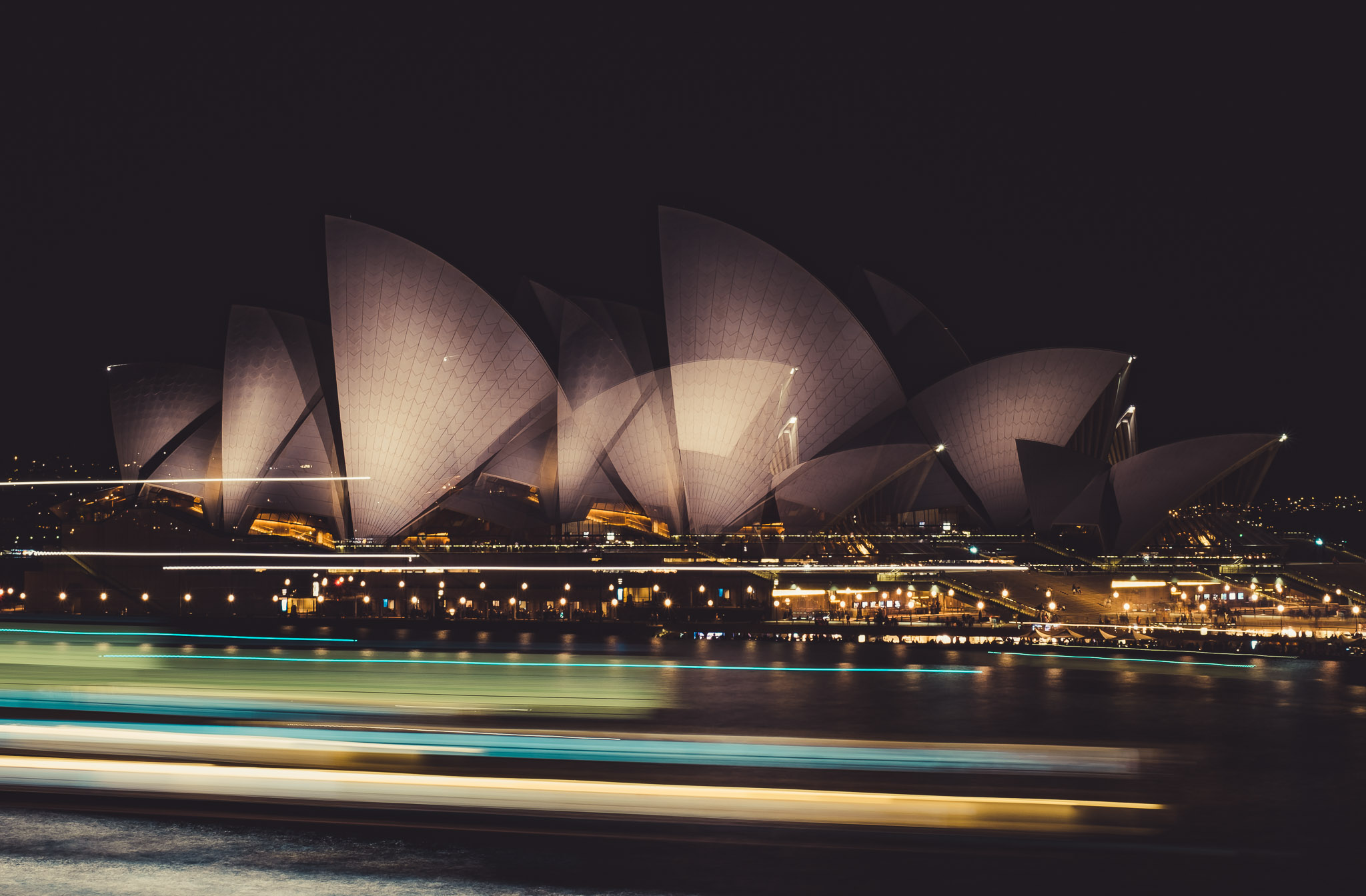
ICM Mixed with multiple exposure in one photo
05 INSPIRATION
The options for abstract photography are almost endless and I encourage you to experiment with different camera settings, subjects and post production effects. This project began because I was interested in the abstract pantings of Mark Rothko. I often find myself in the local library reading about artists and art movements that interest me. Often we look to photographers for inspiration, but the wider art world can also be a rich source of creativity and ideas. Who and what inspires you?