
Ten Tips - Story Telling
1. Know your subject: Being passionate about your subject is half the challenge. Your research and feelings will show in the final collection.
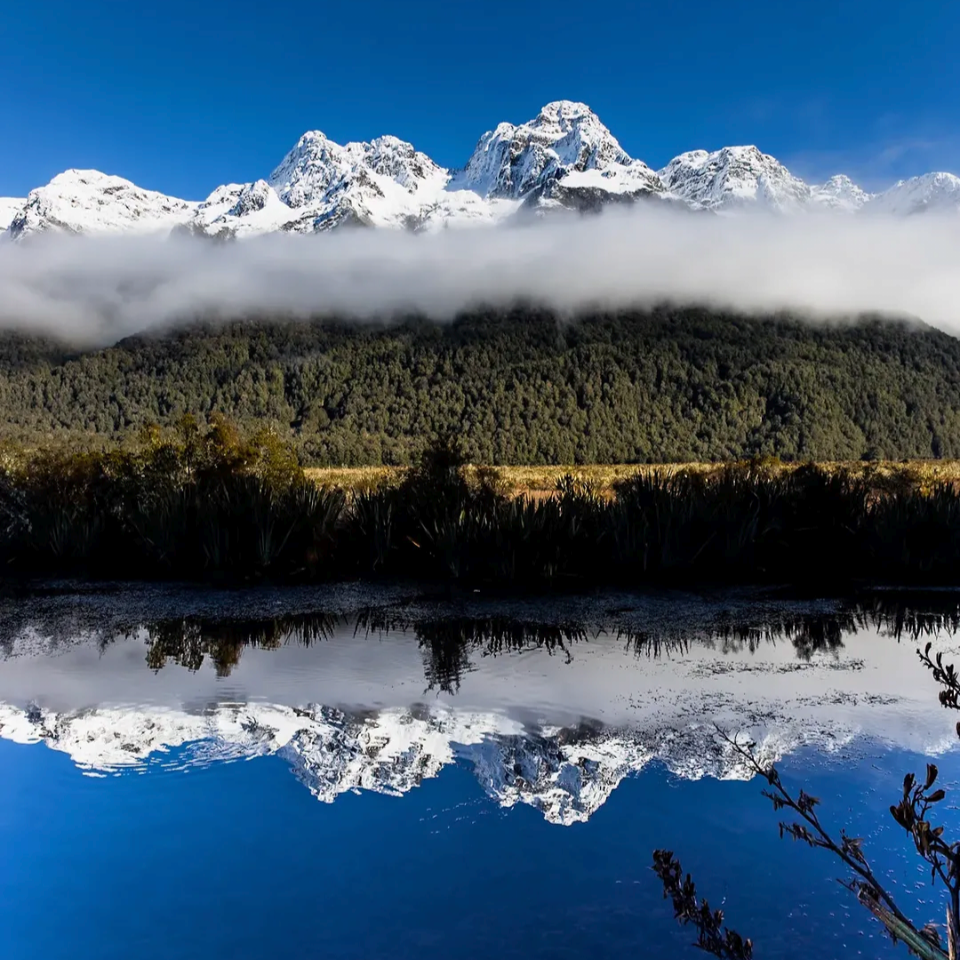
New Zealand Photo Tour
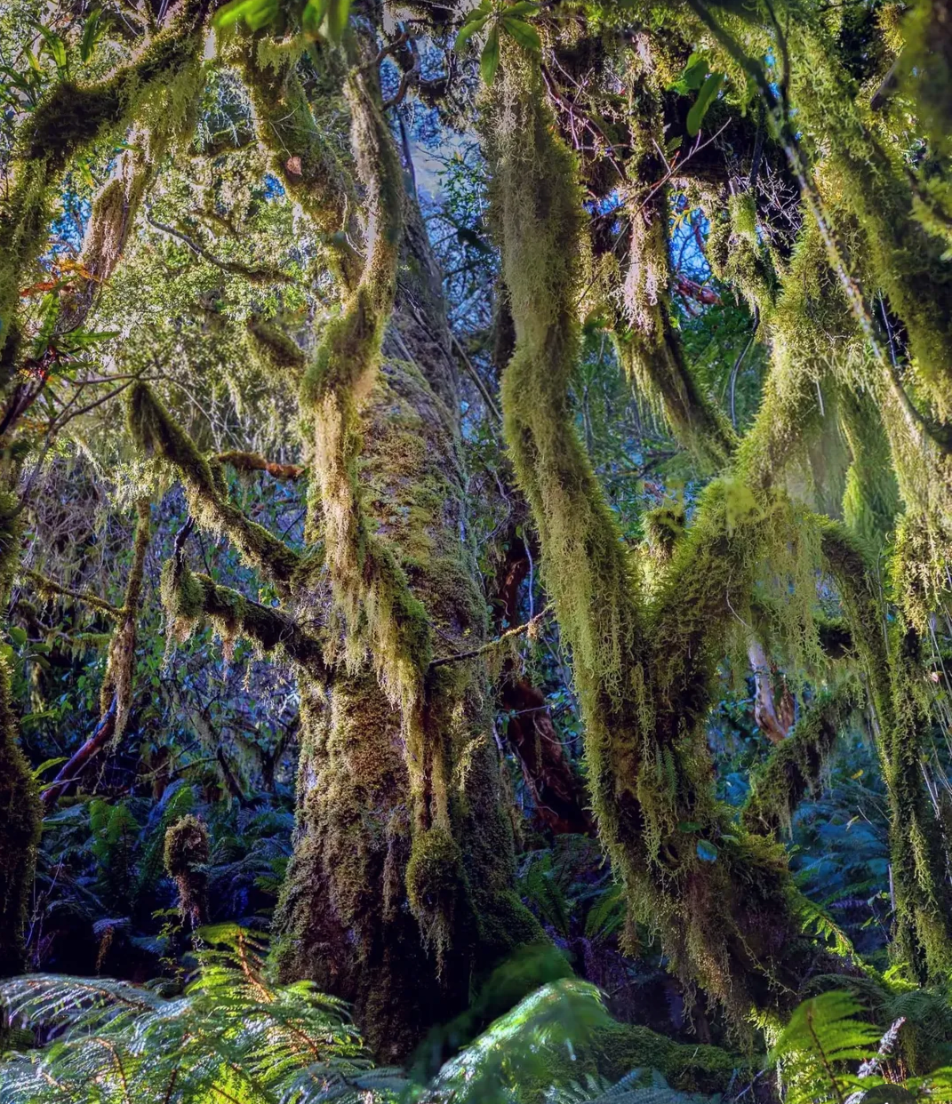
NZ Photo Tour

New Zealand Photo Tour
2. By concentrating on a place or event that you love you will capture more than just the look, you will capture the soul.
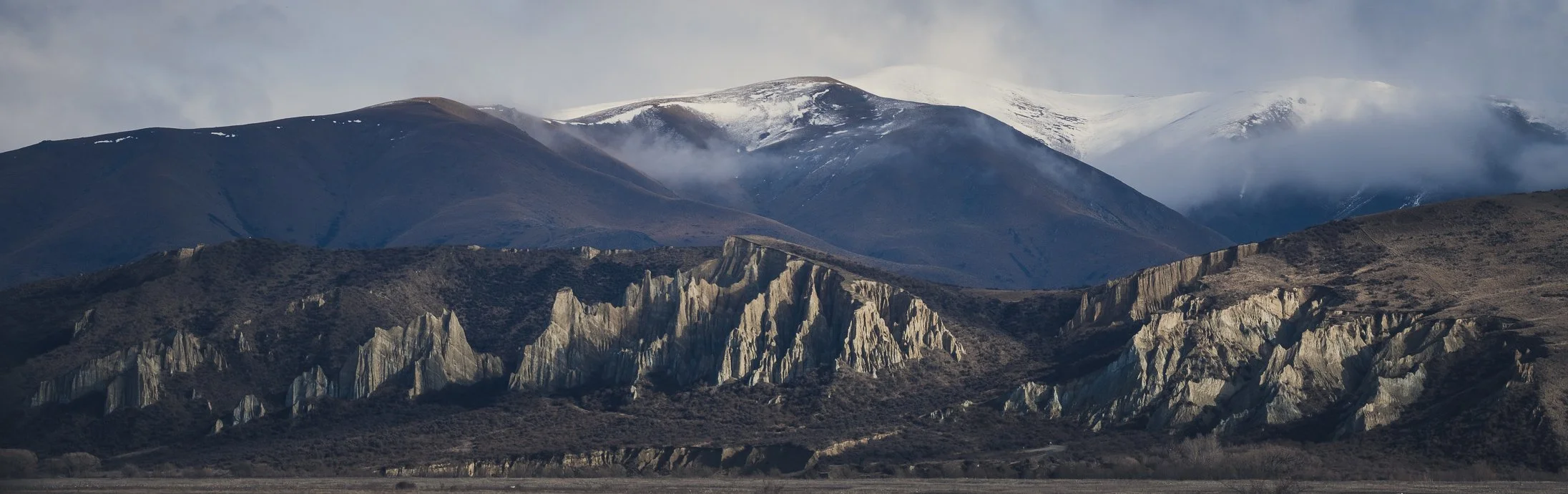
New Zealand Photo Tour
3. Plan what you will shoot and how you want it to look: All stories have a beginning, a middle and an end, and the same goes with a photographic narrative.
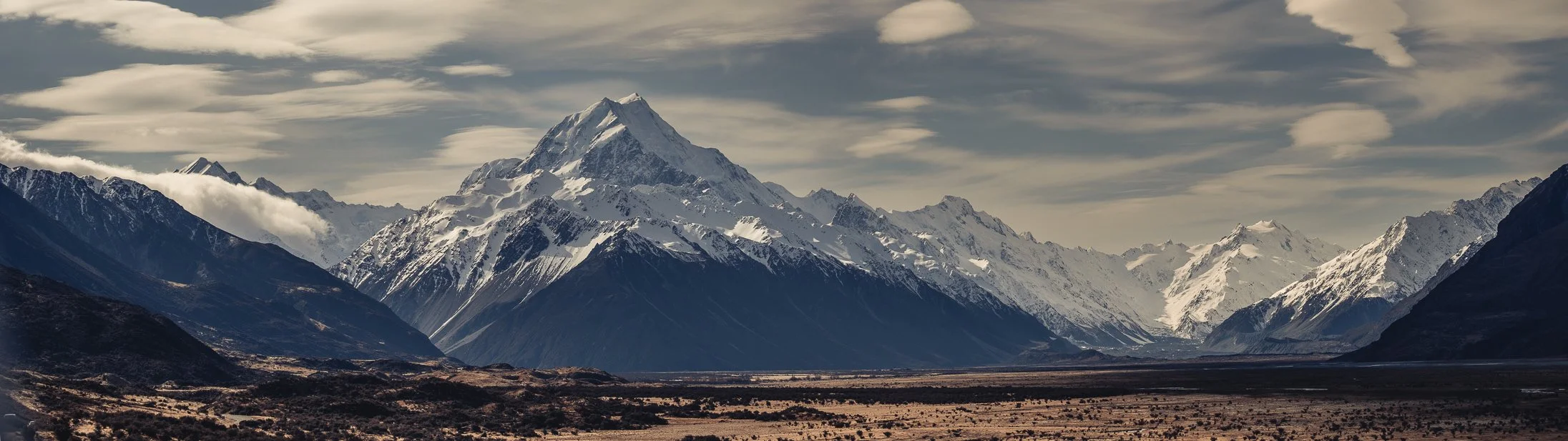
New Zealand Photo Tour
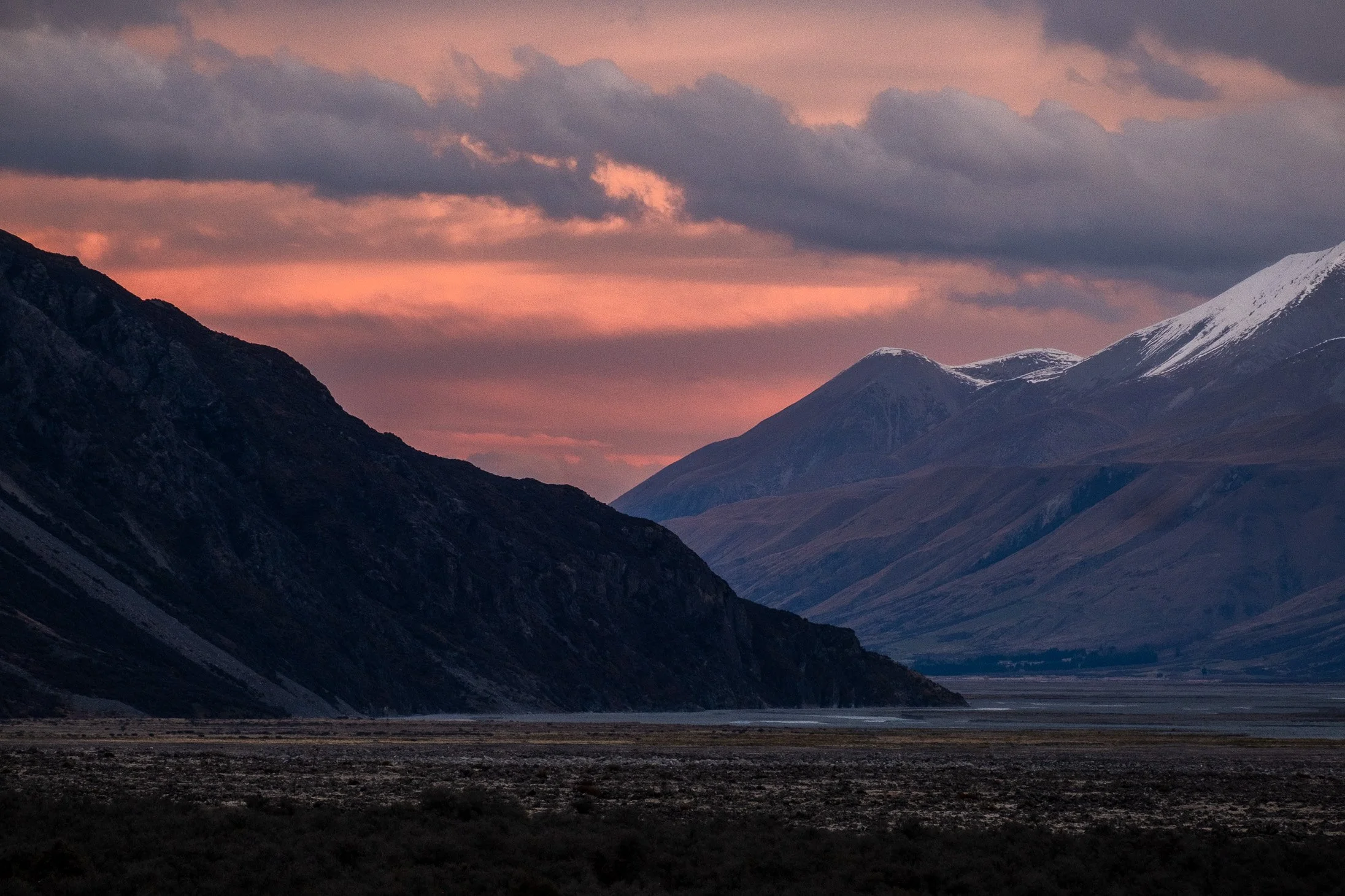
4. Set the scene and create a sense of place. Include wide and detailed shots, but vary your angles, colours and lighting, ensuring they work visually together.
New Zealand Photo Tour
5. In-camera visual effects are much more highly regarded than images that are over-photo shopped. By all means enhance your images to bring out the very best, but be careful not overdo it and ruin a good photo.

New Zealand Photo Tour
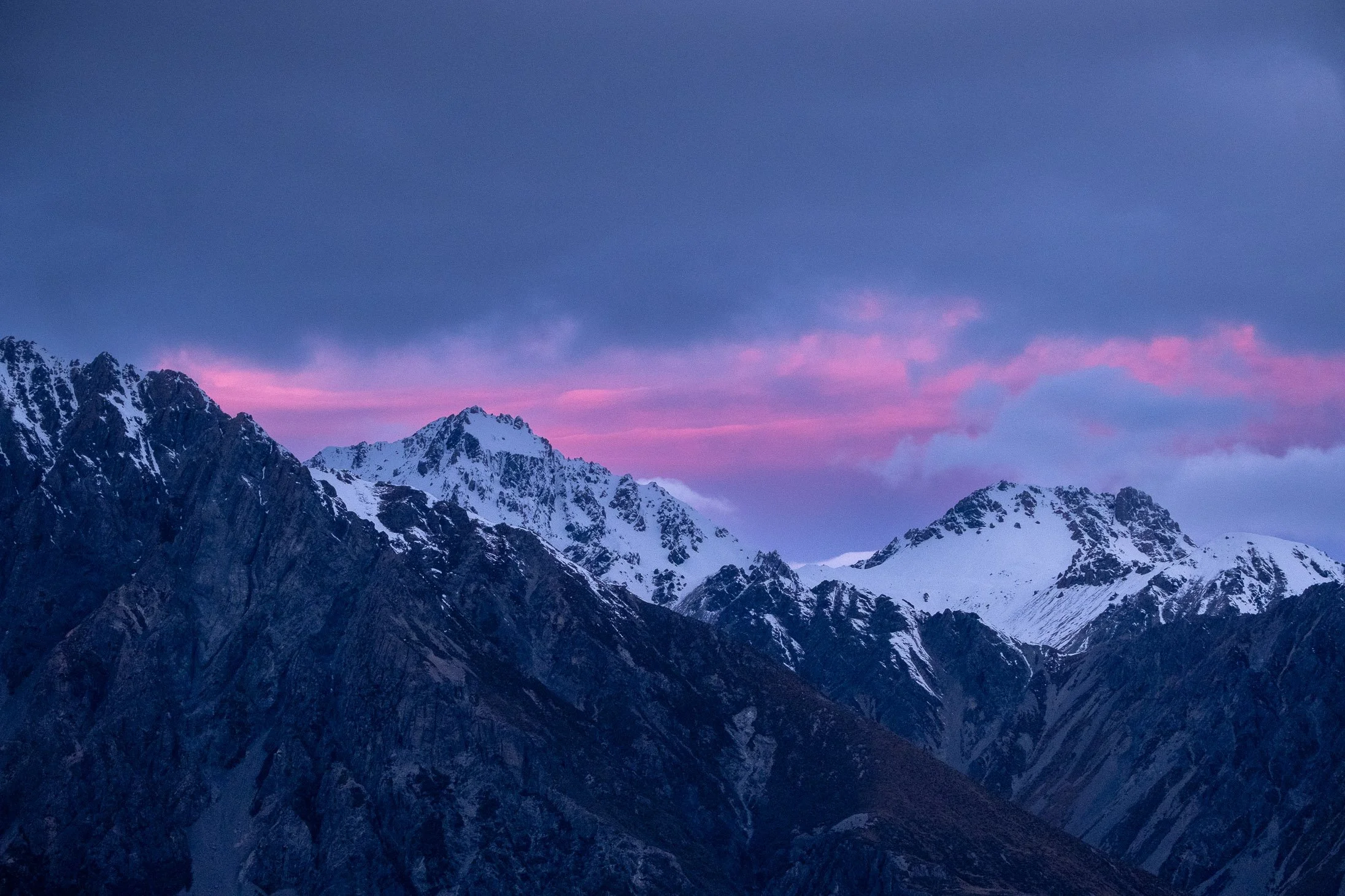
6. Be consistent, but be interesting: Shoot your images only in one colour style or format, for example all images in colour or all in a panoramic format, to provide a consistent look and feel to the collection.
New Zealand Photo Tour
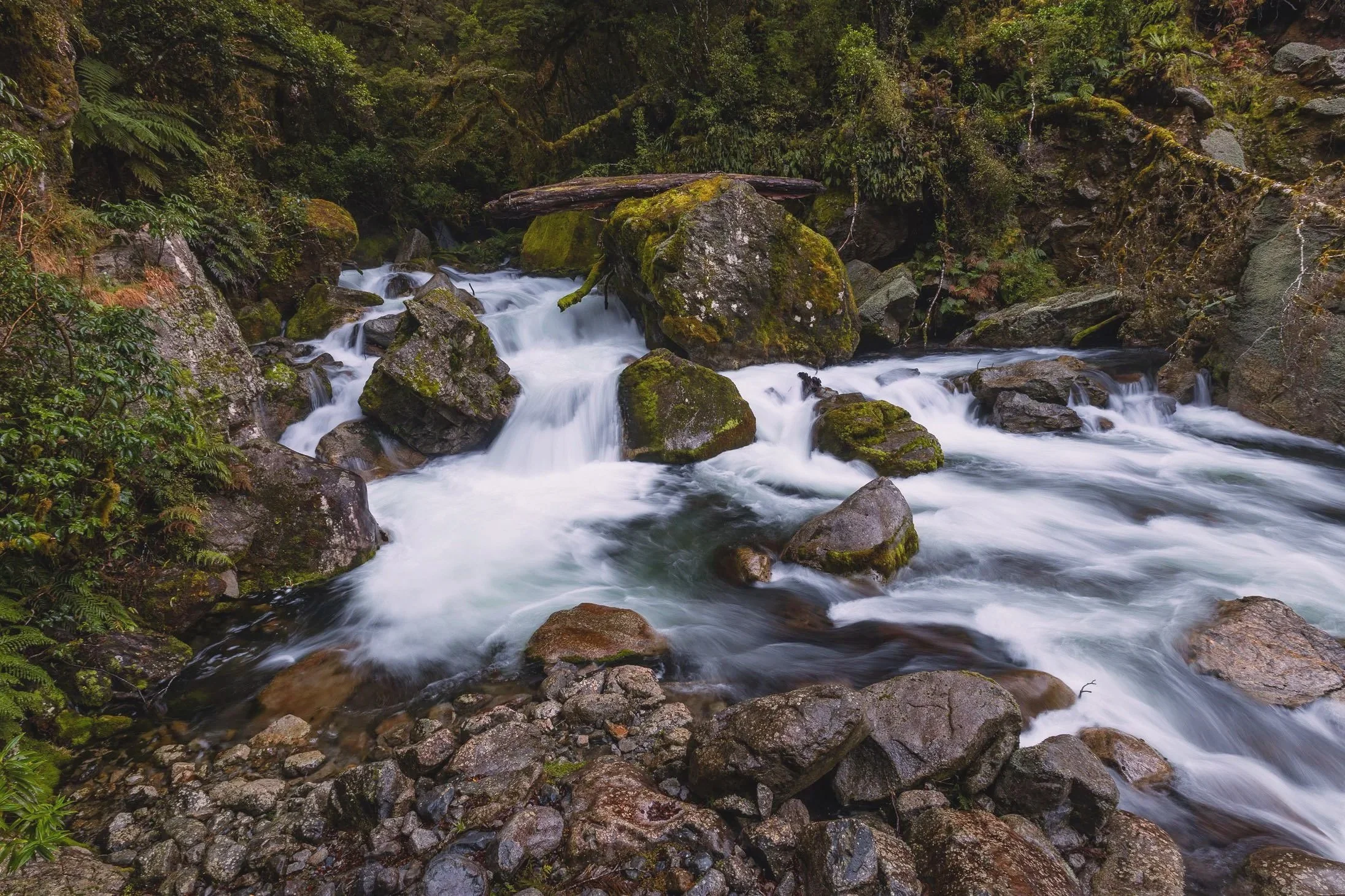
7. Disjointed shoots are jarring visually, and whilst individually the images may be award-winners, they must also all work together in a strong cohesive manner.
New Zealand Photo Tour
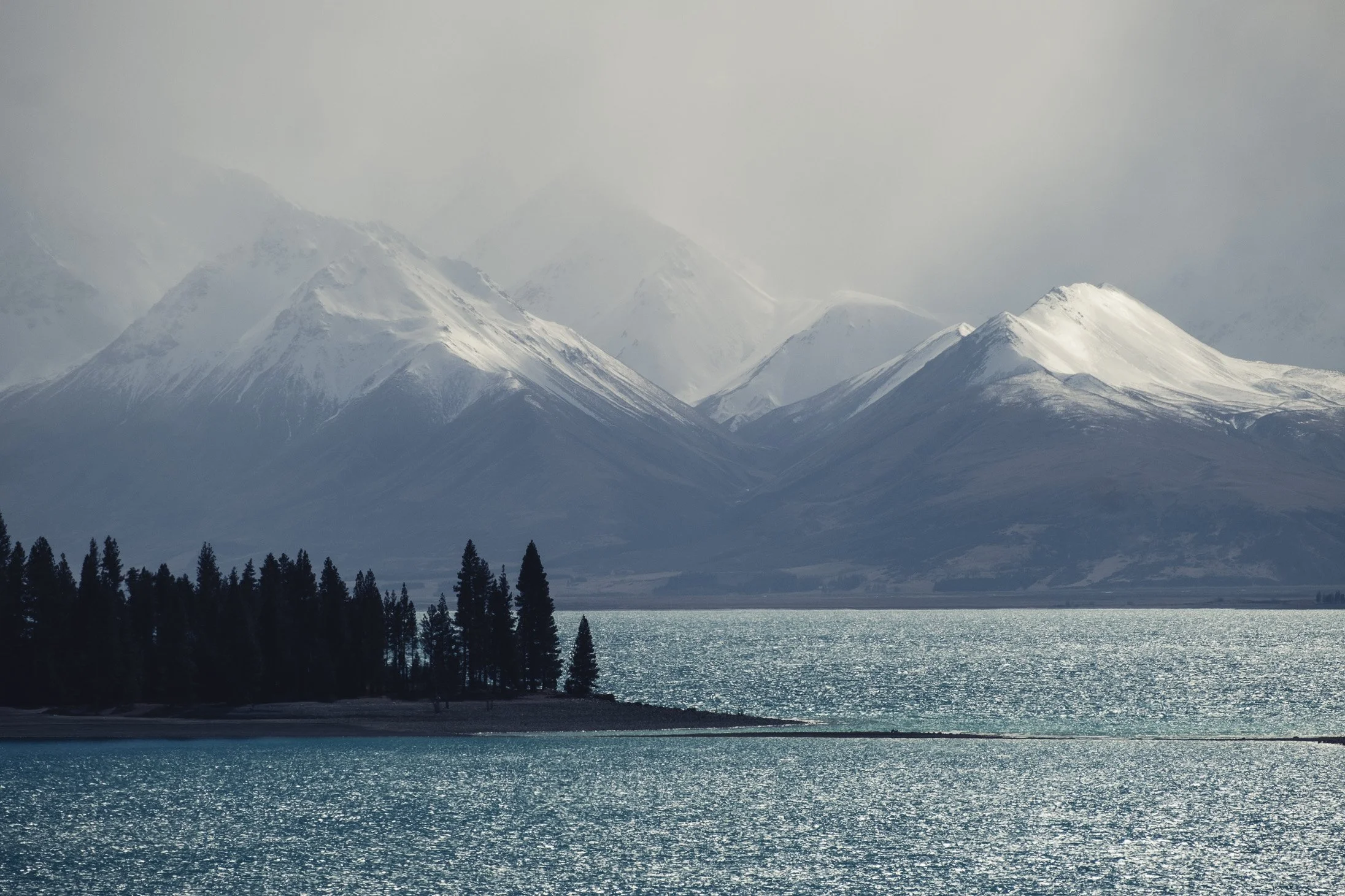
8. Edit: Six stunning images that tell the story will have a much stronger overall effect than by watering down your collection.
New Zealand Photo Tour
9. Getting opinions by trusted photojournalists may open your eyes to different views and options.
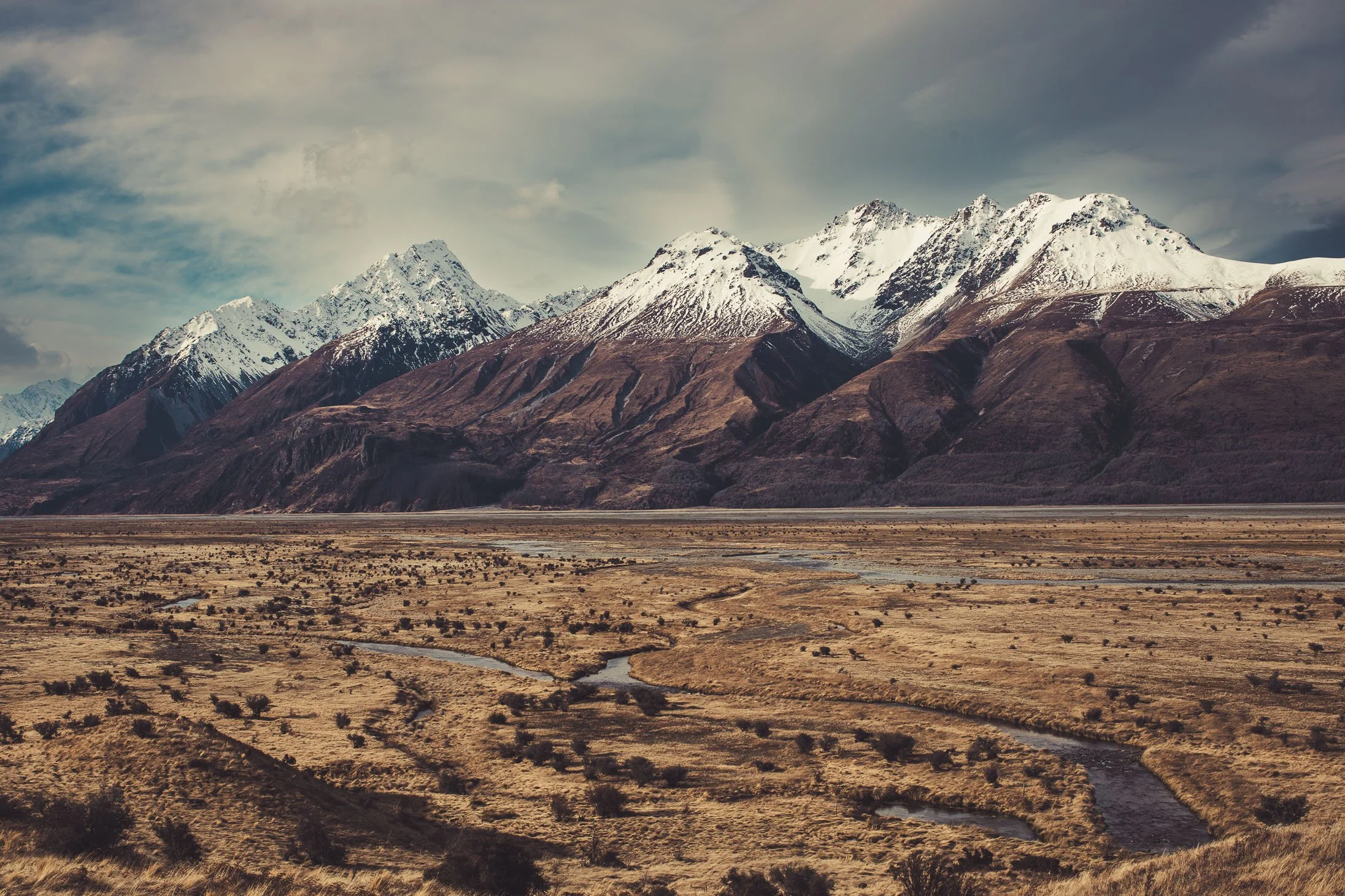
New Zealand Photo Tour
10. Make a coffee table book this will help you make a clear message and see a whole series of pictures as one big picture.
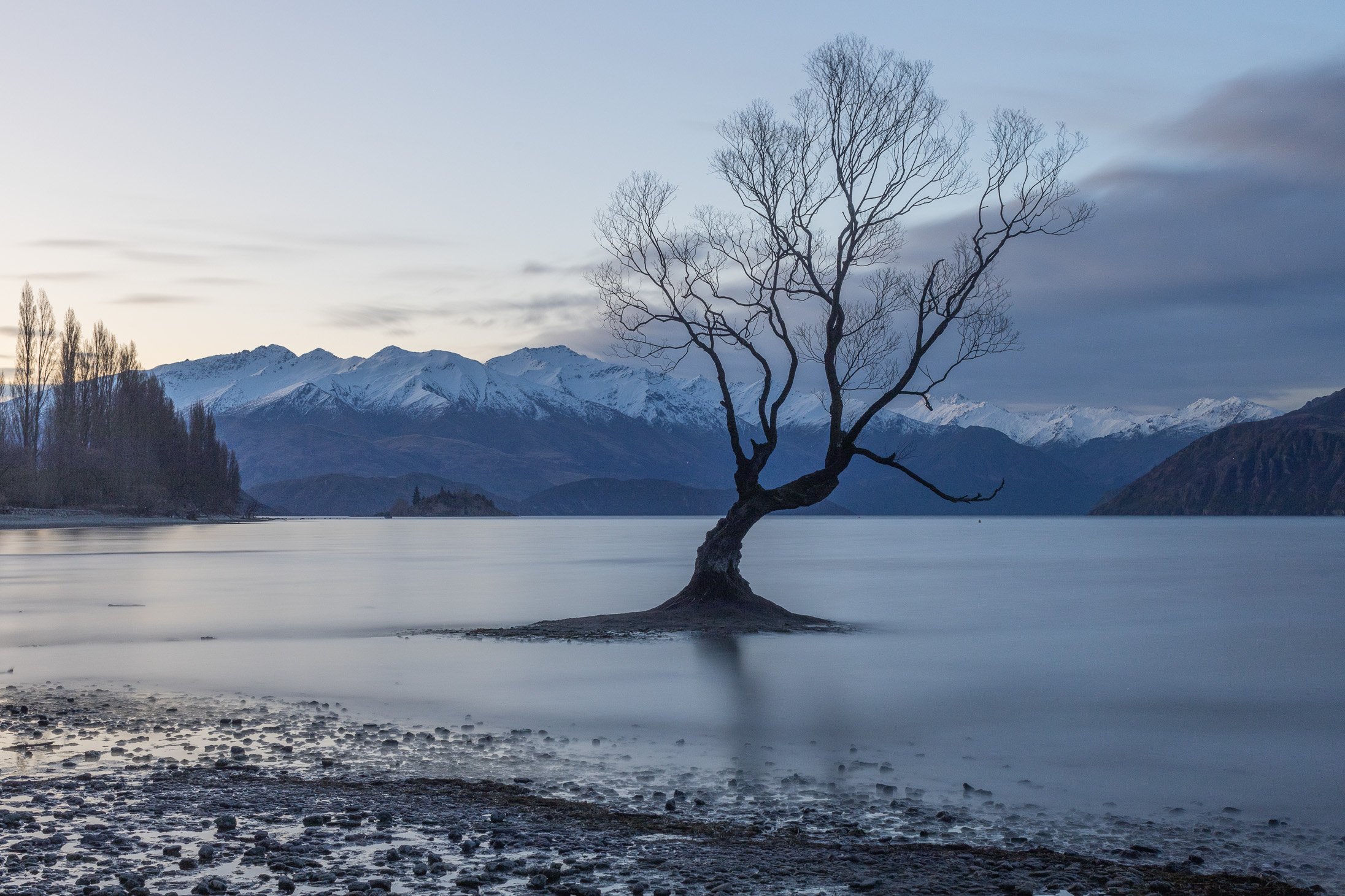
New Zealand Photo Tour
In conclusion: Print - Prior to making a coffee table book it would be safer to do some small prints. Pin them on your wall or lay them flat on a table. Live with them for a few weeks. Start culling them down. Play with their sequence and see if a narrative unfolds.
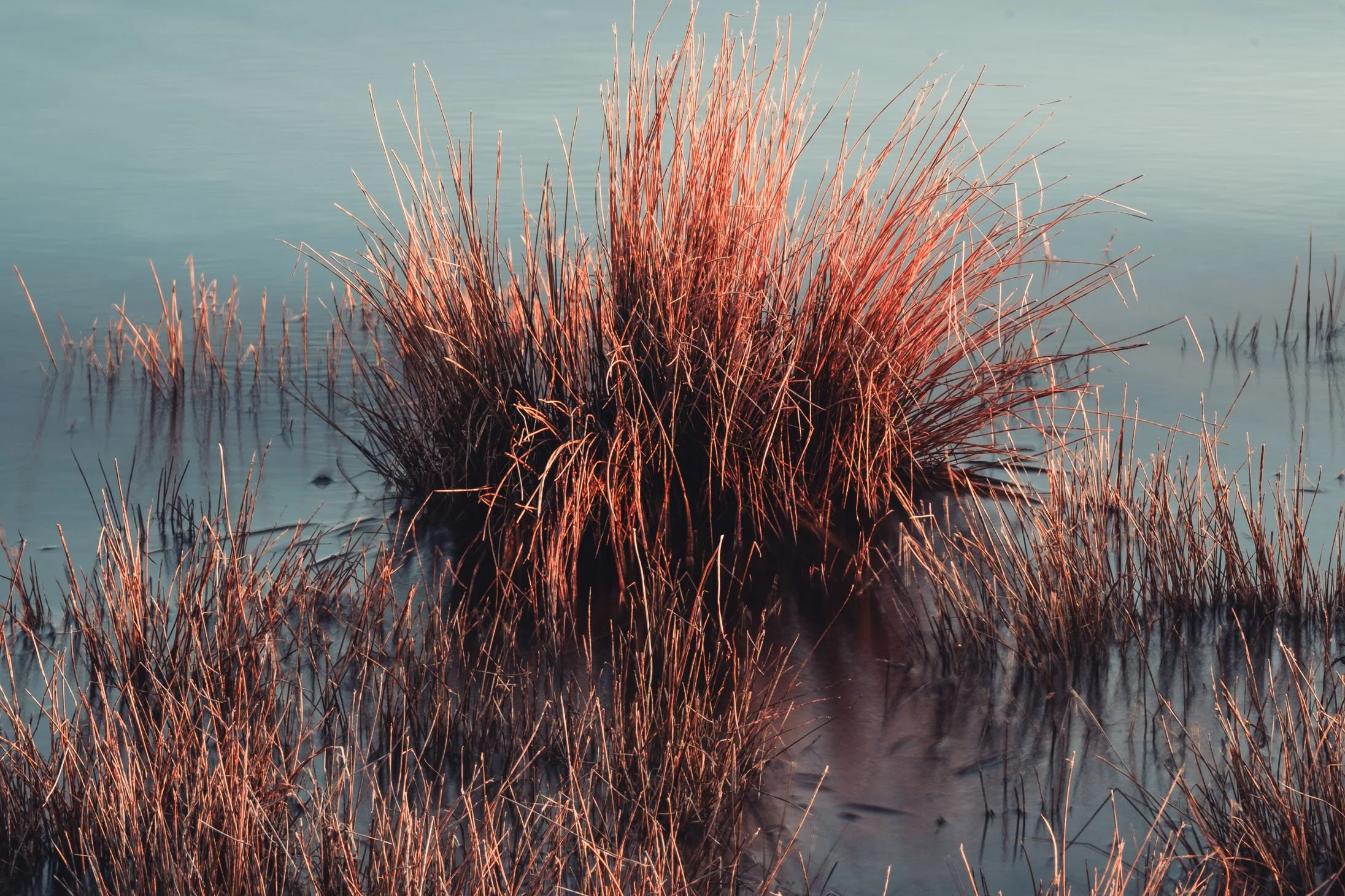
New Zealand Photo Tour
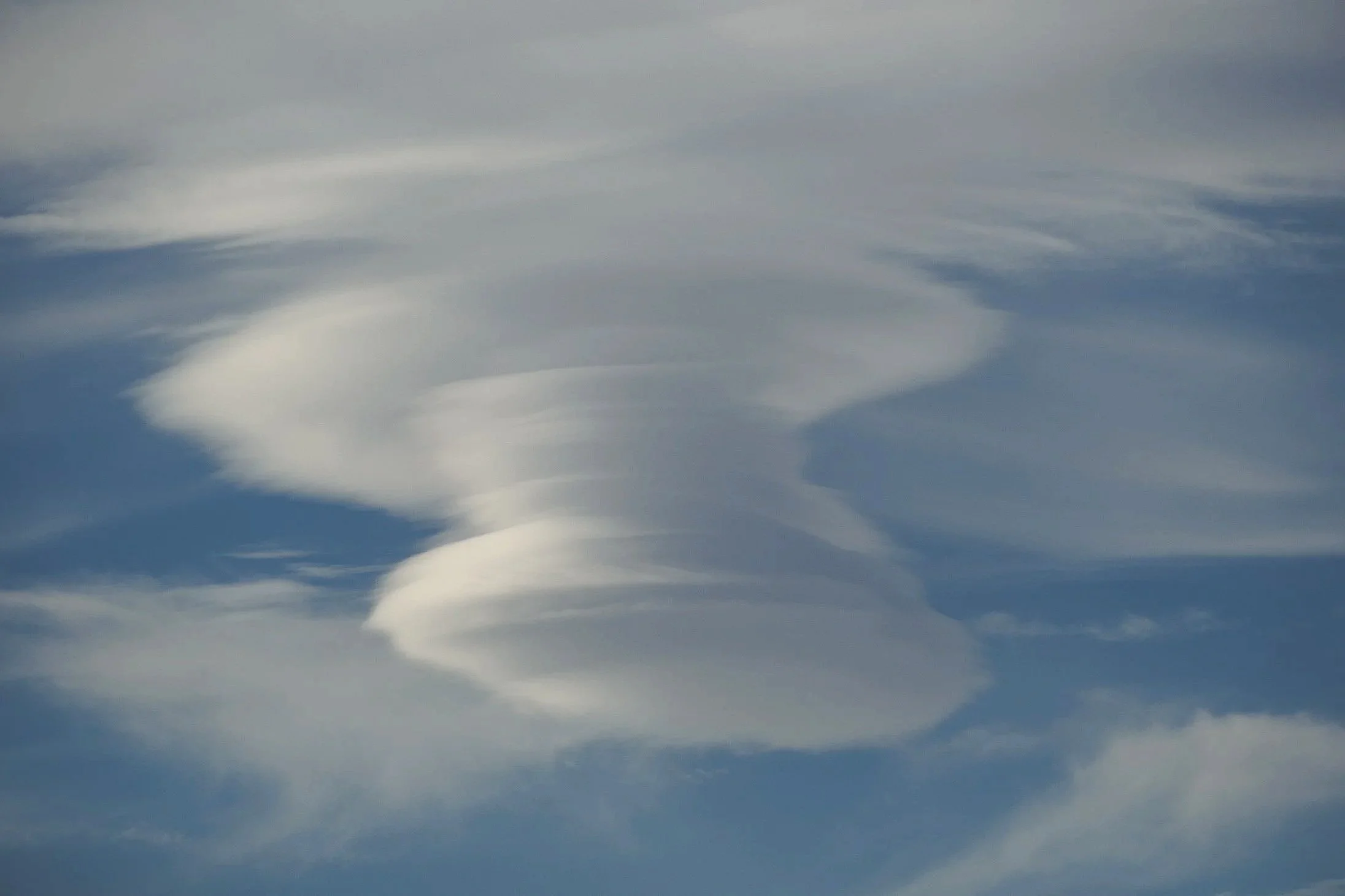
New Zealand Photo Tour