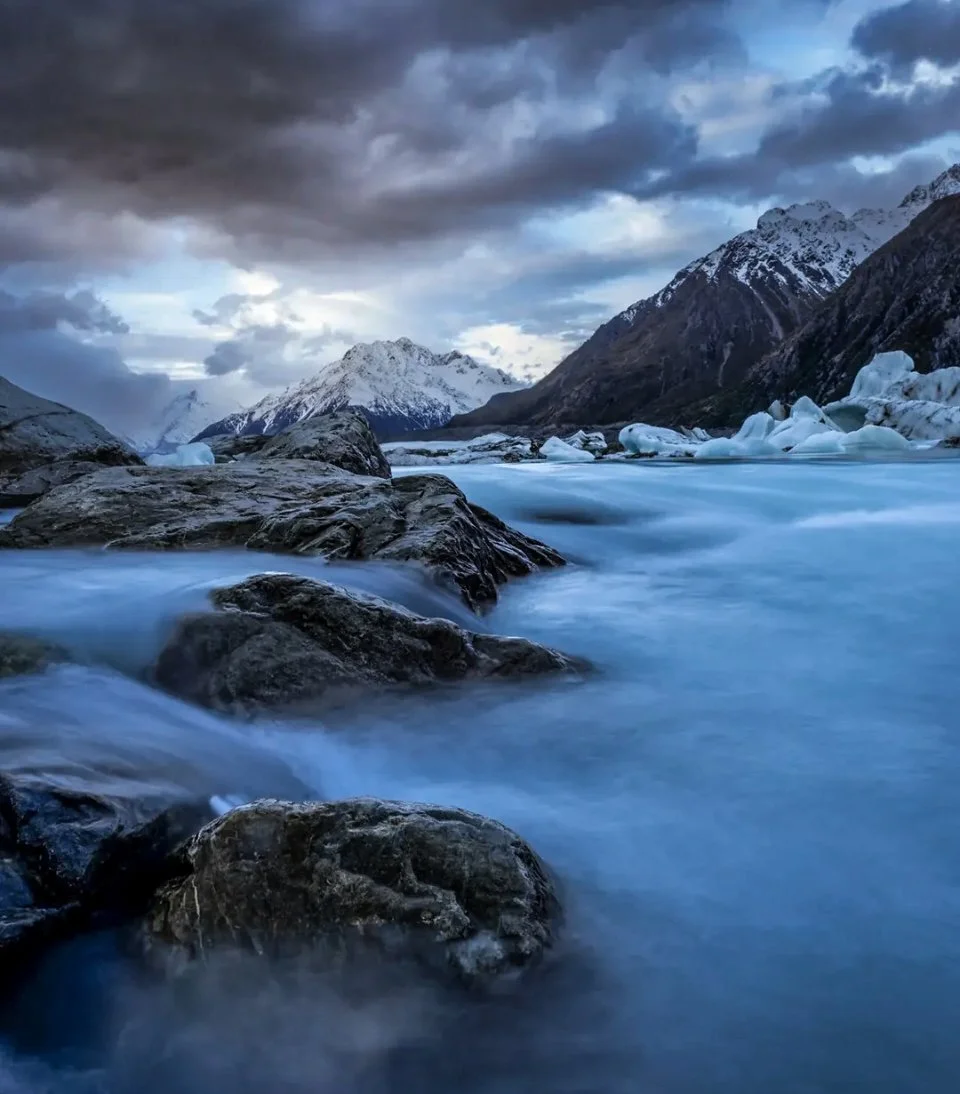
Tasman Glacier View, Mt. Cook Aoraki National Park, NZ
Image design is the "language" of photography. Think of the elements as your vocabulary (the building blocks) and the principles as your grammar (how you organise them). Even with the best gear, mastering these is what turns a standard photo into art.
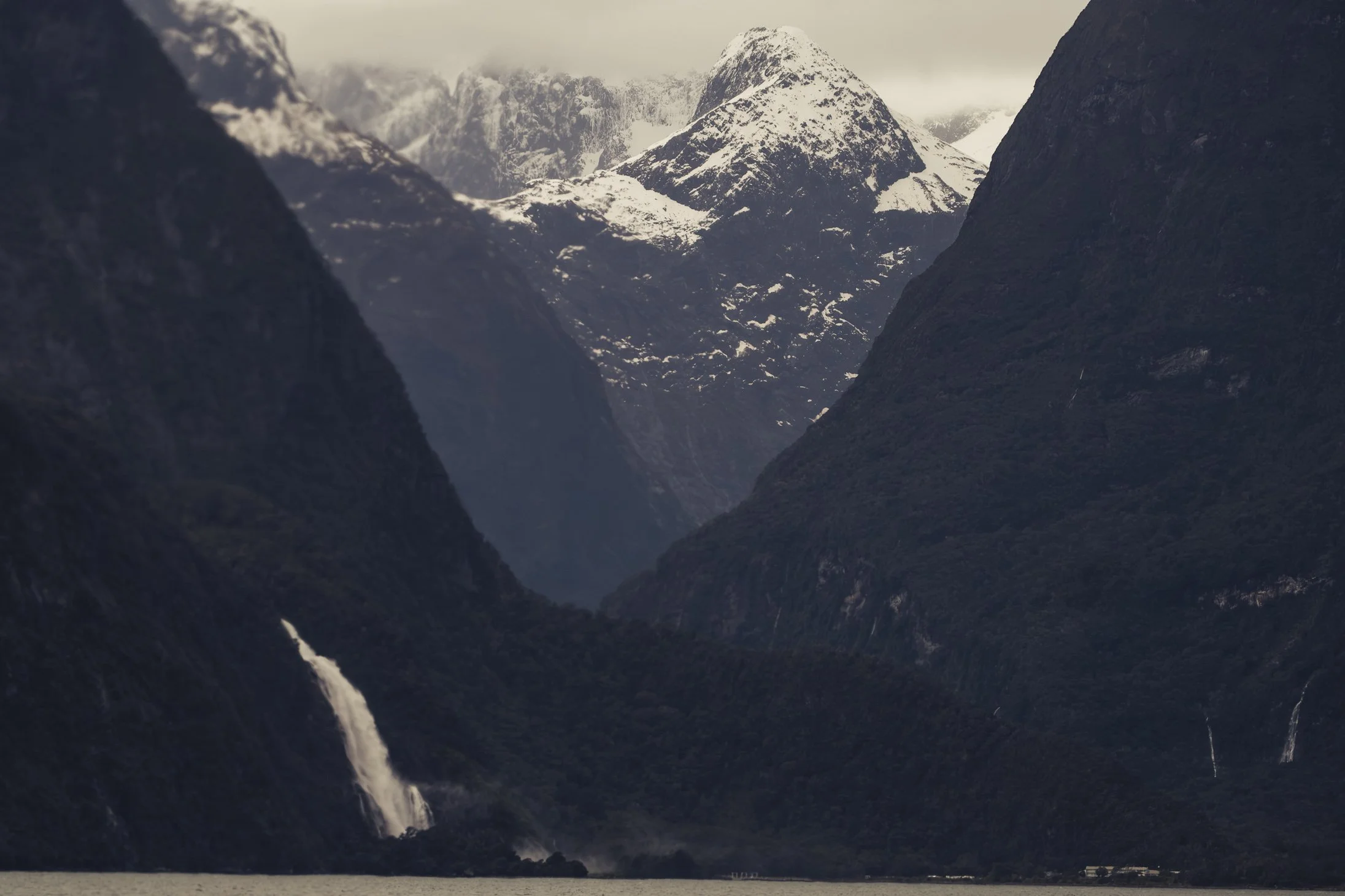
Milford Souind, New Zealand
The Elements (The Components)
These are the physical objects and qualities you arrange within your frame:
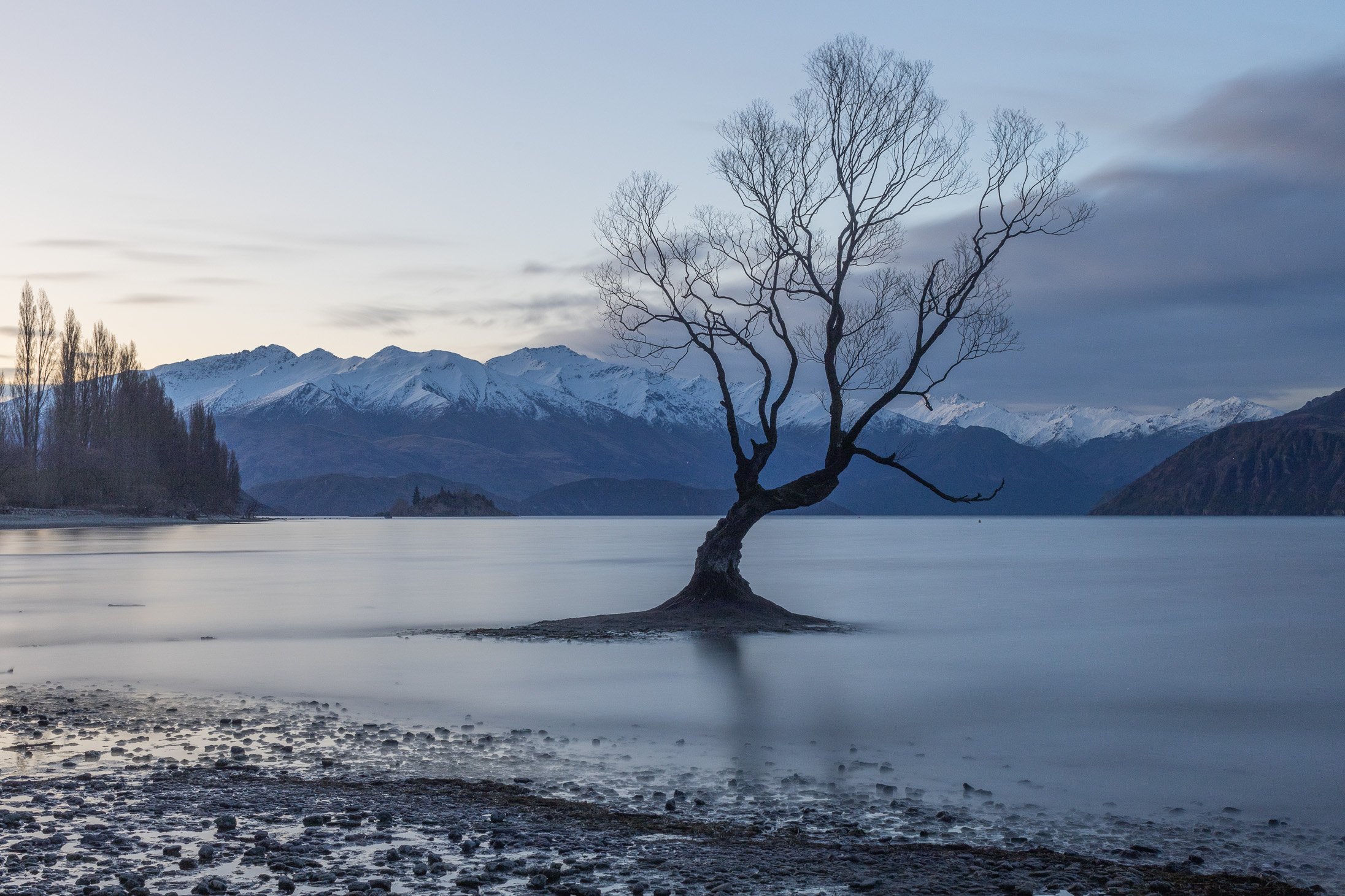
Wanaka Tree, New Zealand
Line: Marks that connect two points. They define shapes, create moods (called "character lines"), and lead the viewer’s eye.
Horizontal: Calm and restful.
Vertical: Strong; suggests height and stability.
Diagonal: Dynamic; suggests movement or tension.
Curvy/Jagged: Can express emotions like grace or anger.
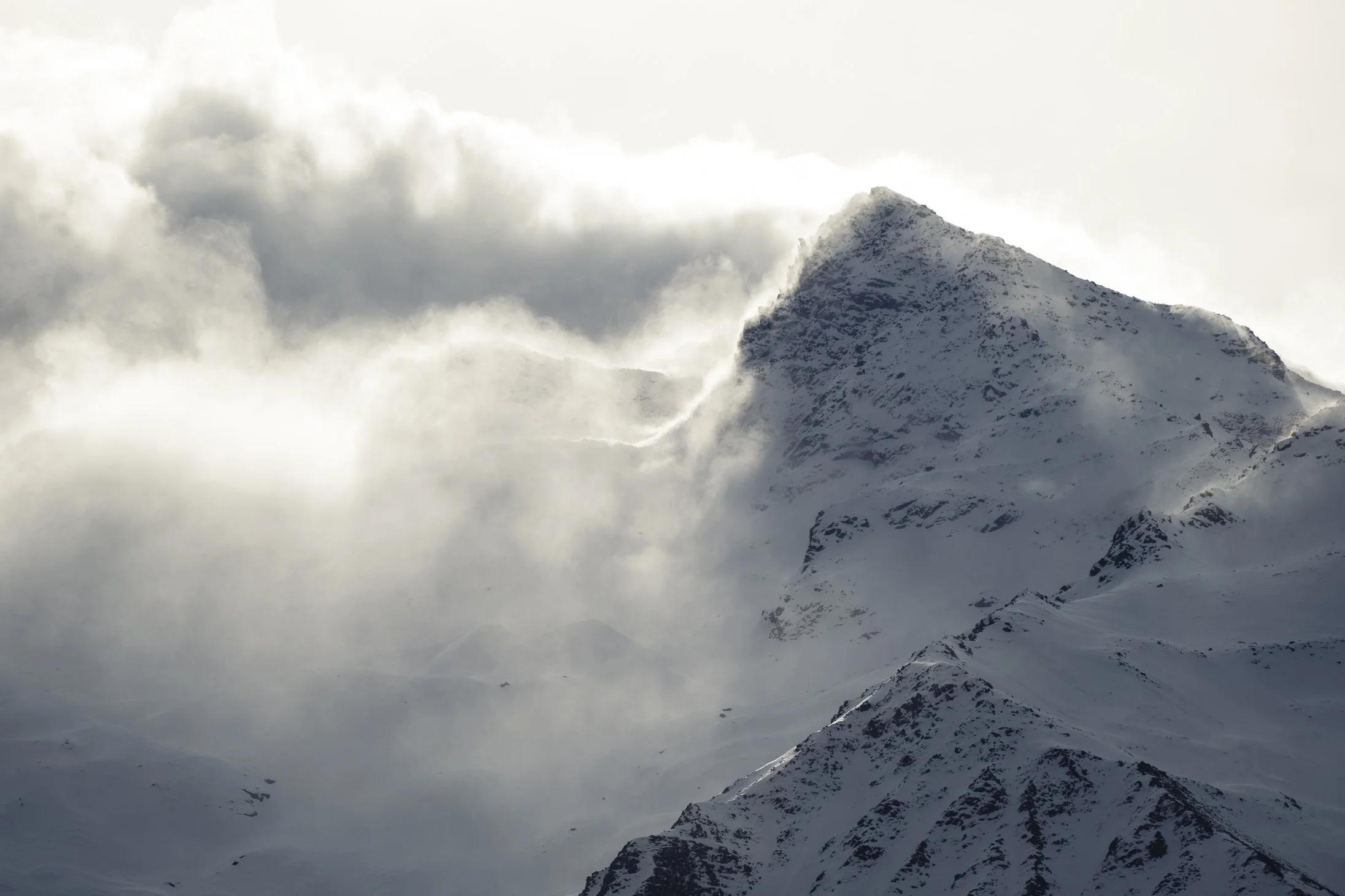
Mt Cook Aoraki National Park, New Zealand
Shape: 2D areas created by lines or colour blocks.
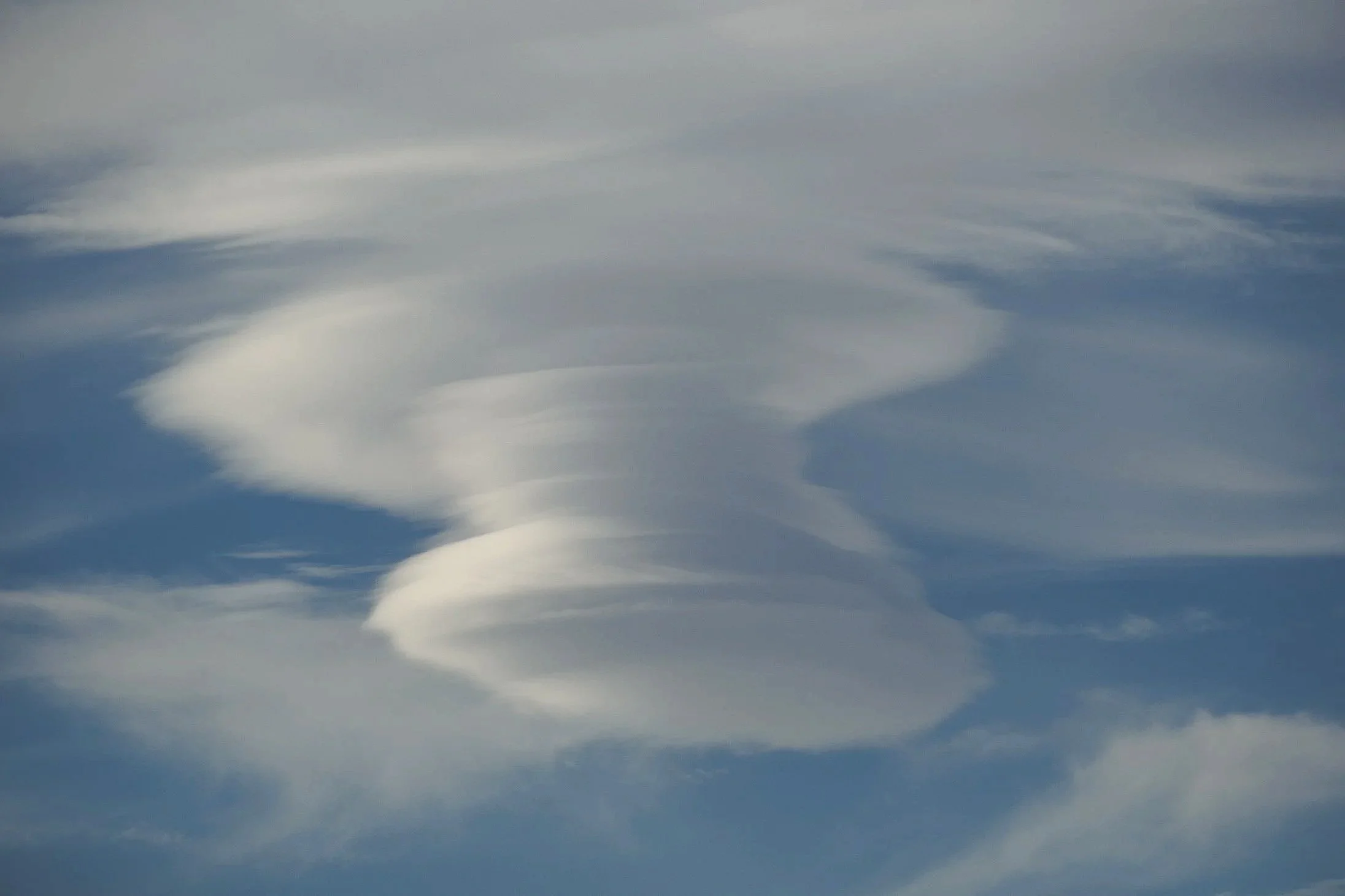
Lenticular Cloud, Mt Cook Aoraki National Park, New Zealand
Form: 3D depth (real or implied).
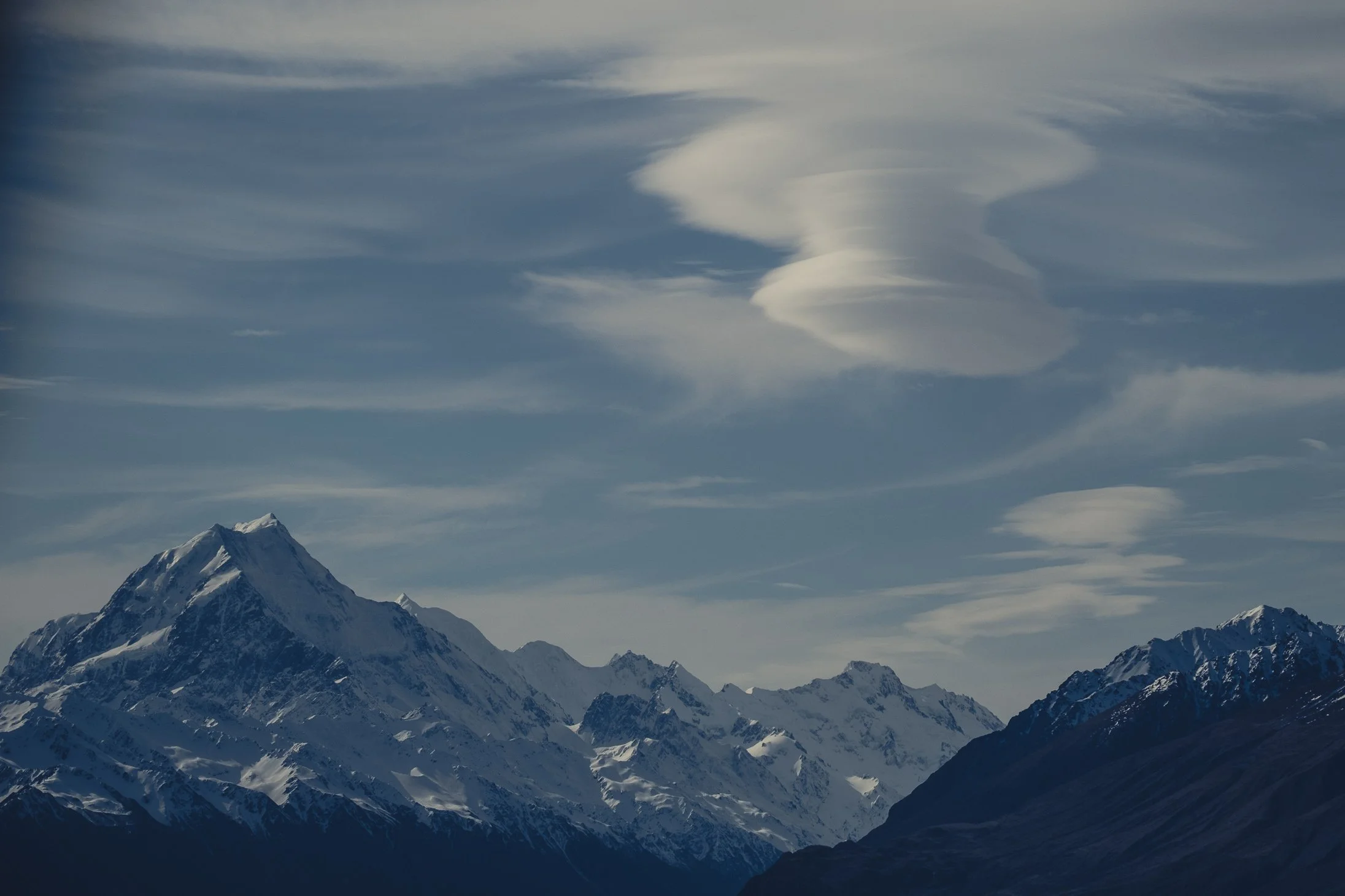
Mt. Cook N.P.
Space: The area around or between subjects.

Grasses Mt Cook Aoraki National Park, New Zealand
Texture: The surface quality (rough, smooth, etc.).
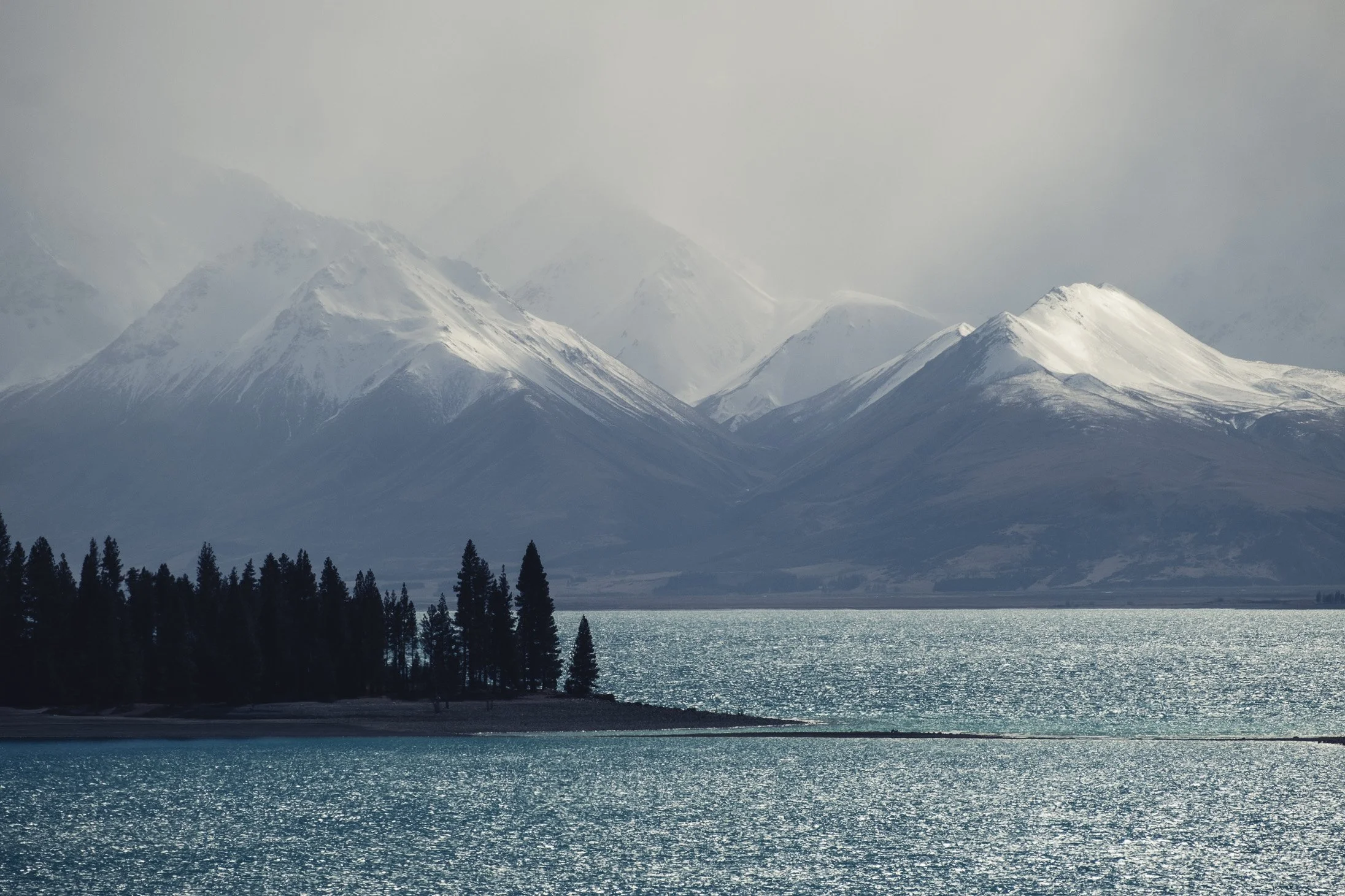
Lake Tekapo, New Zealad
Tone: The range of light and dark (contrast)
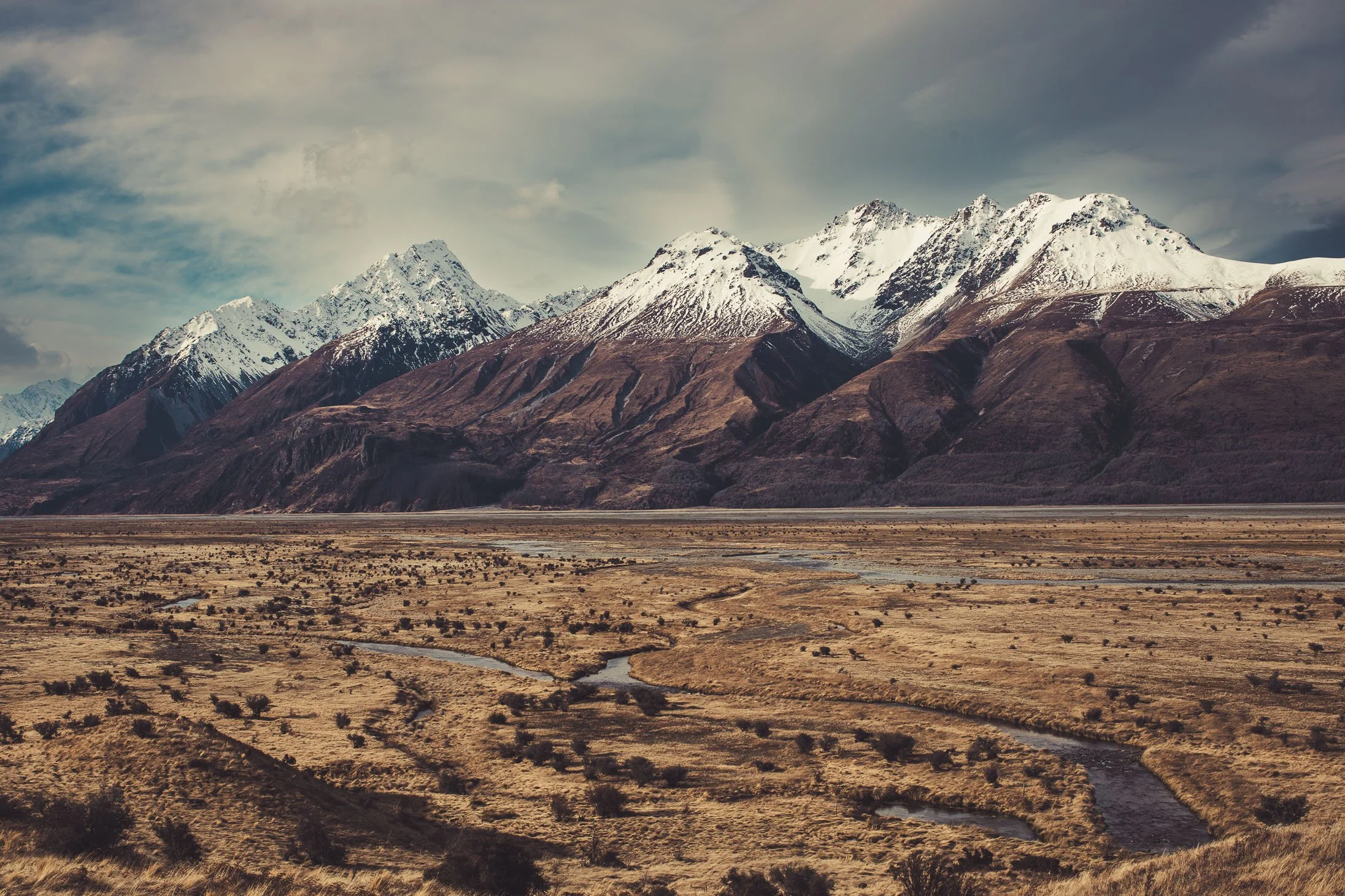
Mt Cook Aoraki National Park, New Zealand
The Principles (The Structure)
These are the rules used to organise the elements. How you apply them determines the message and emotional impact of your work

Clay Cliffs, New Zealand
Balance
Balance is the distribution of "visual weight" (lines, shapes, and forms) to create equilibrium.
Symmetrical: Identical forms on both sides of a central axis.
Asymmetrical: Different objects arranged so their varying visual weights still feel balanced.
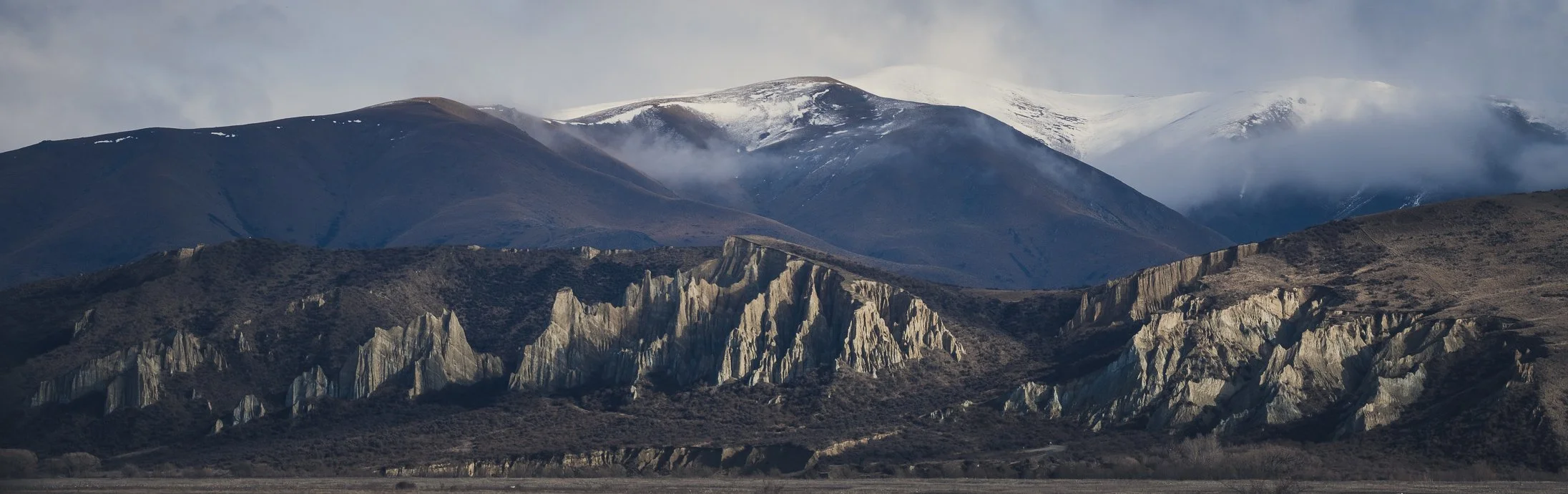
Repetition & Rhythm
These create a visual "beat" for the eyes to follow.
Repetition: Using the same elements (shapes, colours, lines) multiple times.
Rhythm: Organizing those repeated elements into a specific pattern or order.
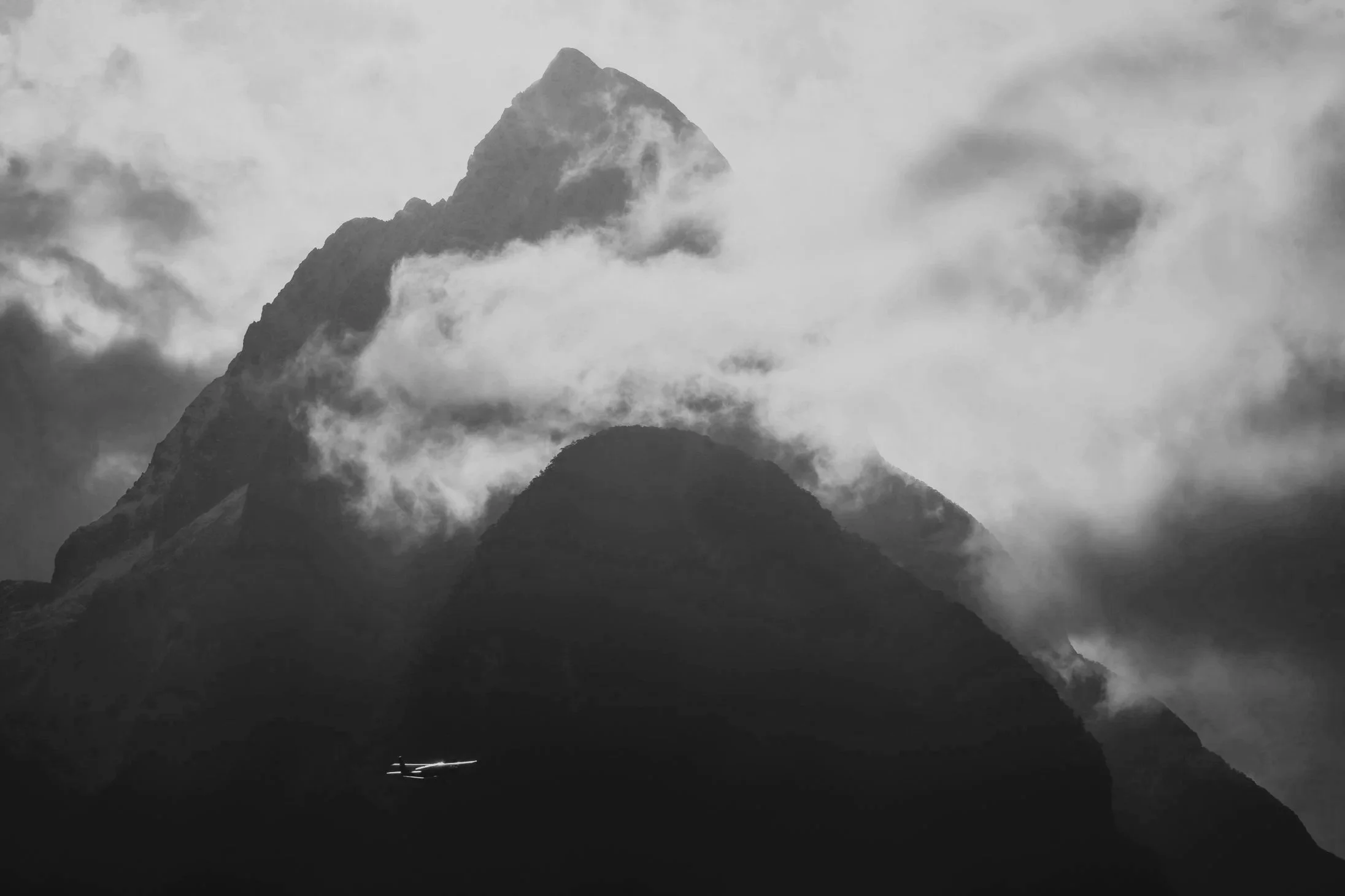
Milford Sound, New Zealand
Dominance (Focal Point)
This makes one part of the image more important than the rest using size, colour, or position.
Focus: It creates a center of interest where the eye naturally returns.
The Rule of Three: Limit yourself to three (or fewer) dominant points to avoid confusing the viewer.
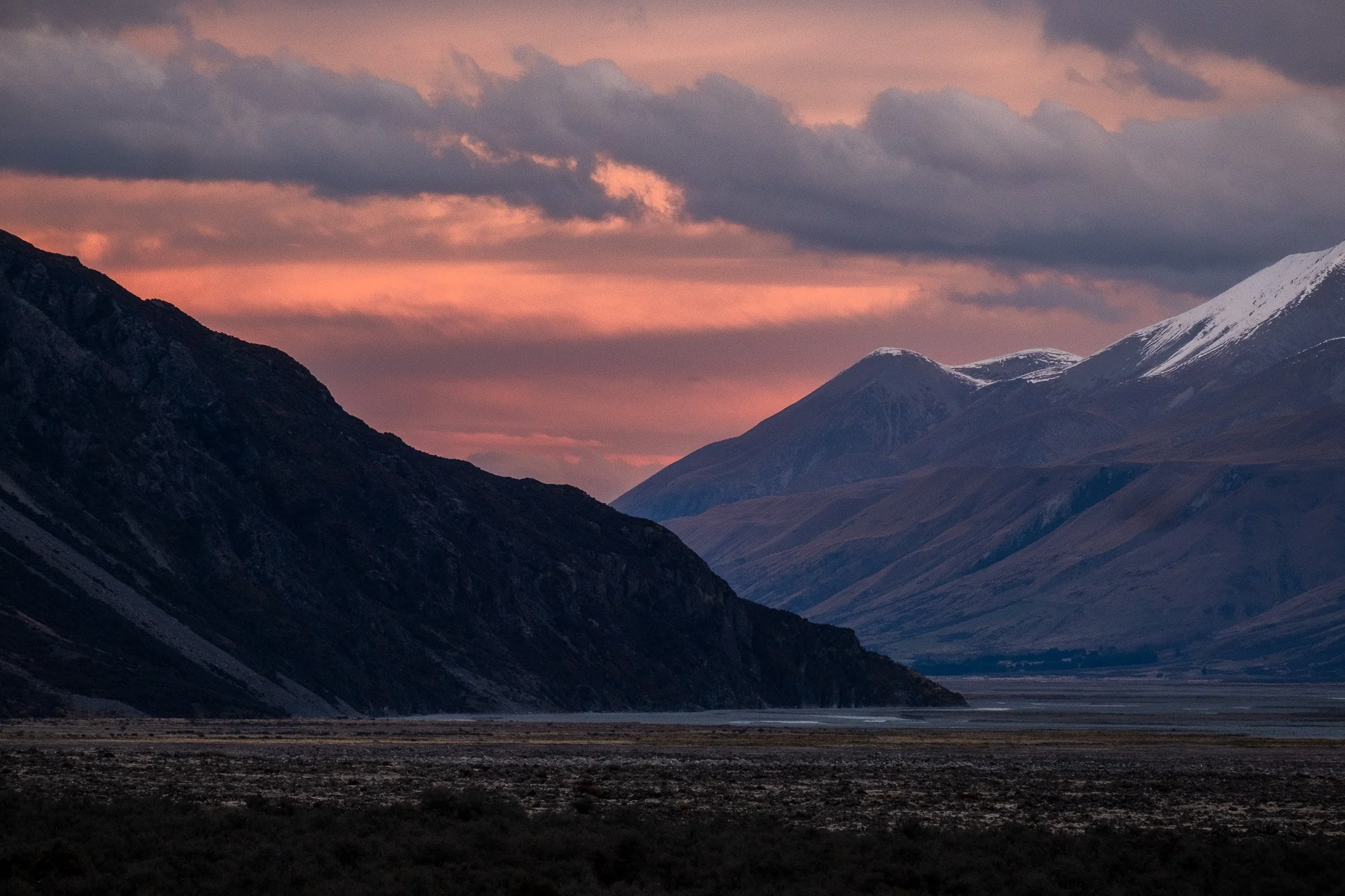
Contrast
Contrast is the "Yin & Yang" of design—using opposites to create interest.
Examples: Light vs. dark, large vs. small, or rough vs. smooth.
Proportion: The scale relationship between different elements helps establish this variety.
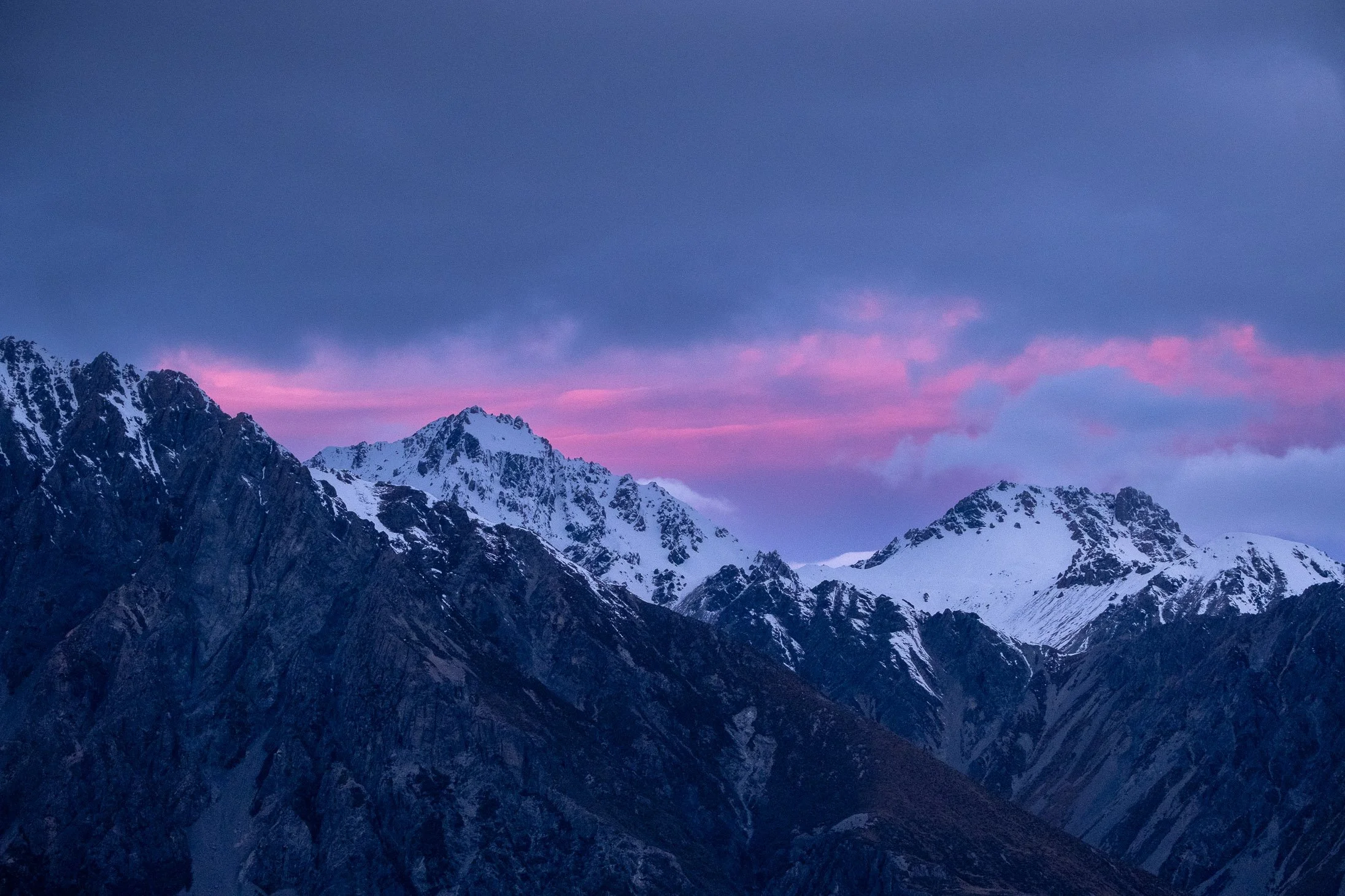
Mt Cook Aoraki National Park, New Zealand
Unity (Harmony)
Unity is the "glue" that pulls all elements together into a single, cohesive message or theme.
Consistency: Each part must relate to the whole.
Result: When nothing distracts from the overall purpose of the image, you have achieved harmony.
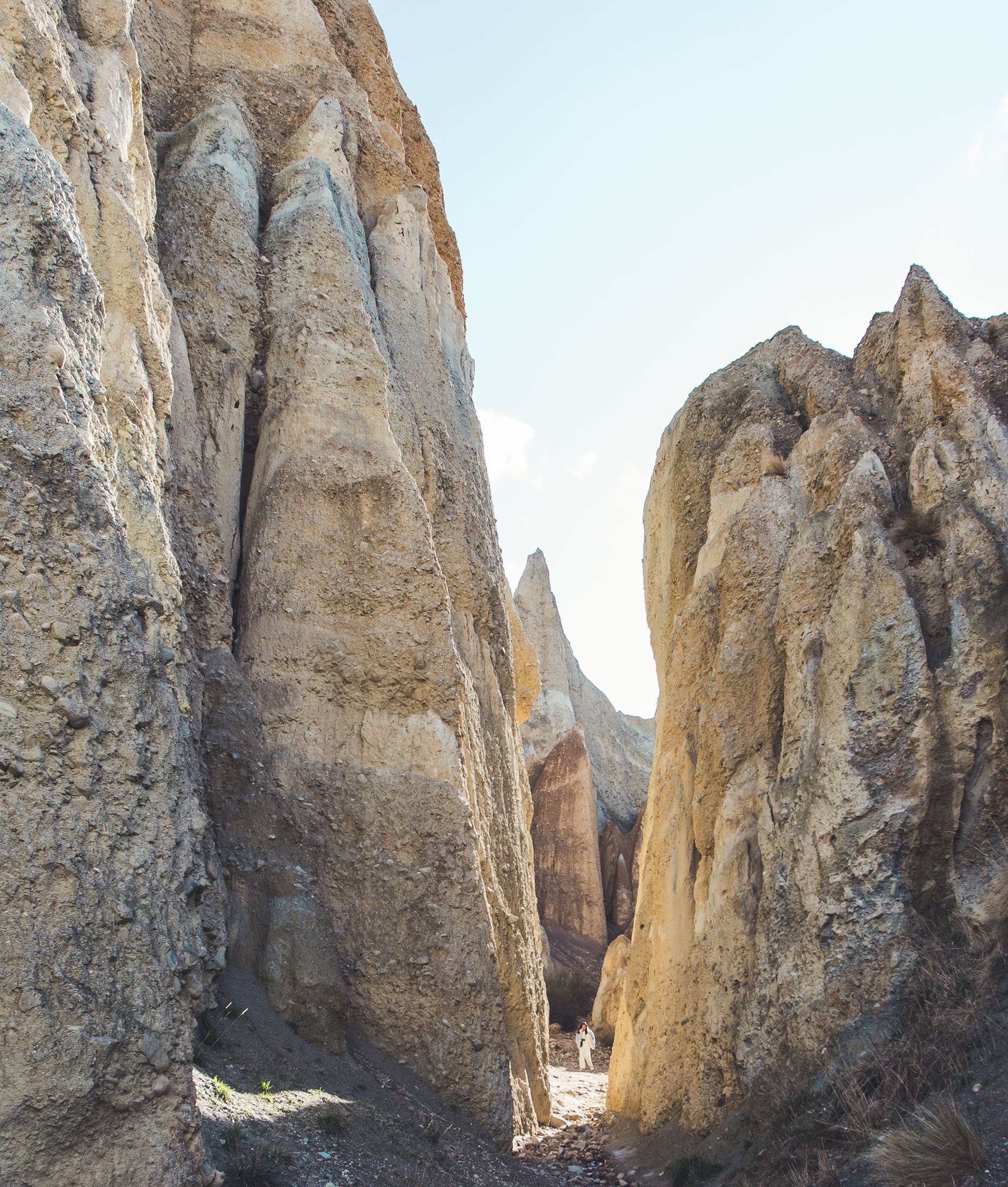
Clay Cliffs, NZ
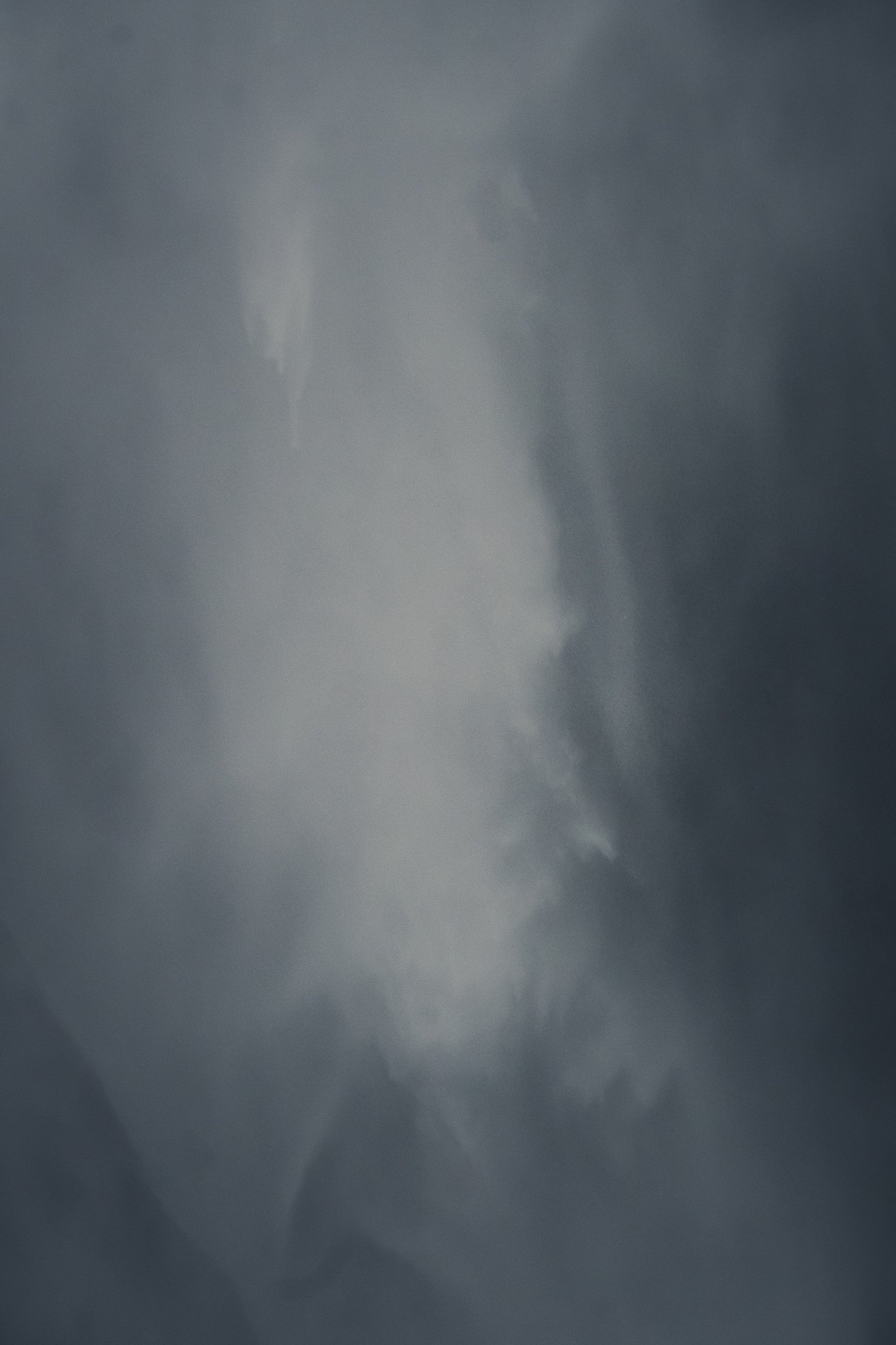
Milford Sound

My Favourite Travel Caamera Bag
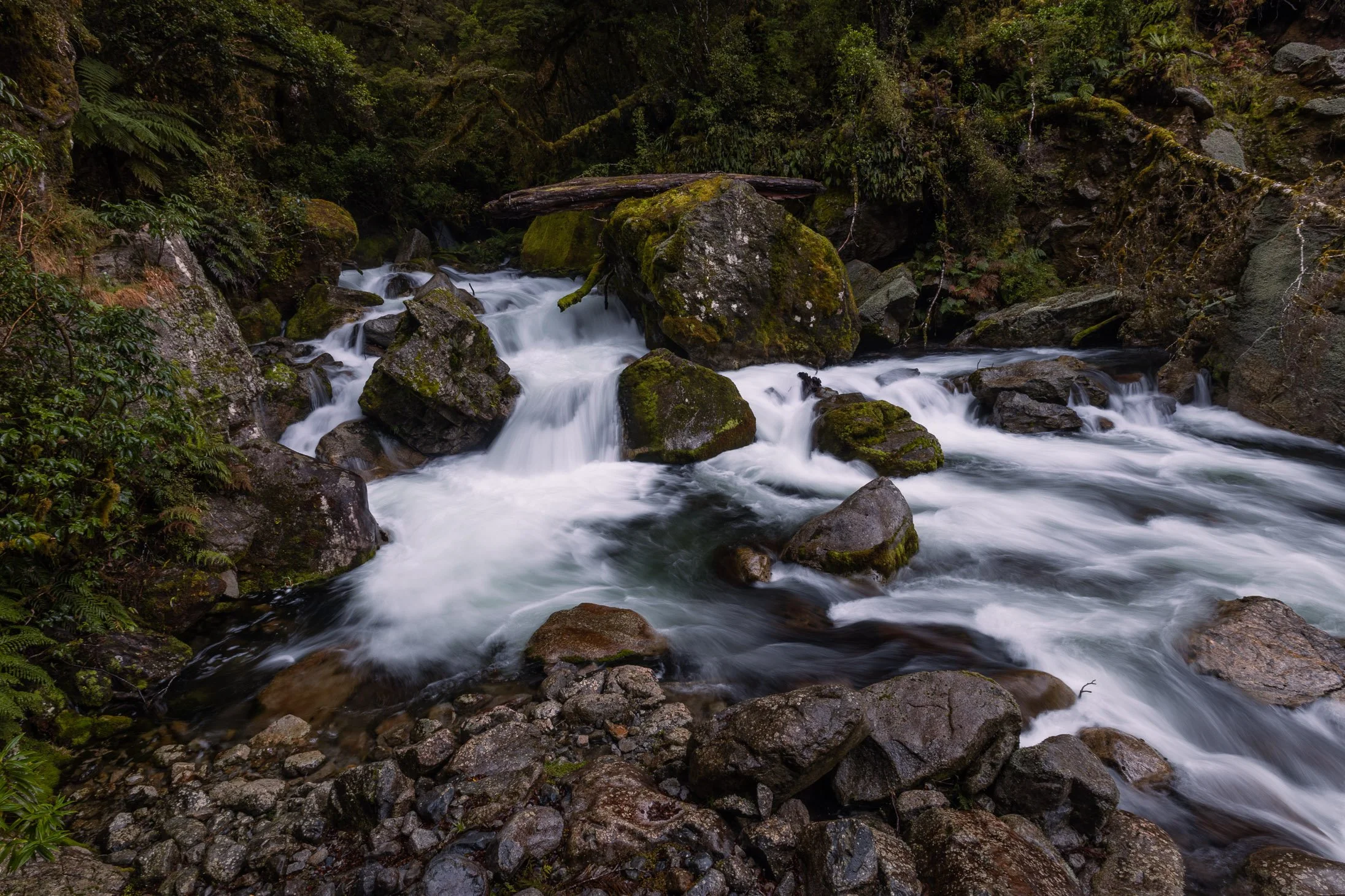
Marian Falls, Fjordland, New Zealand
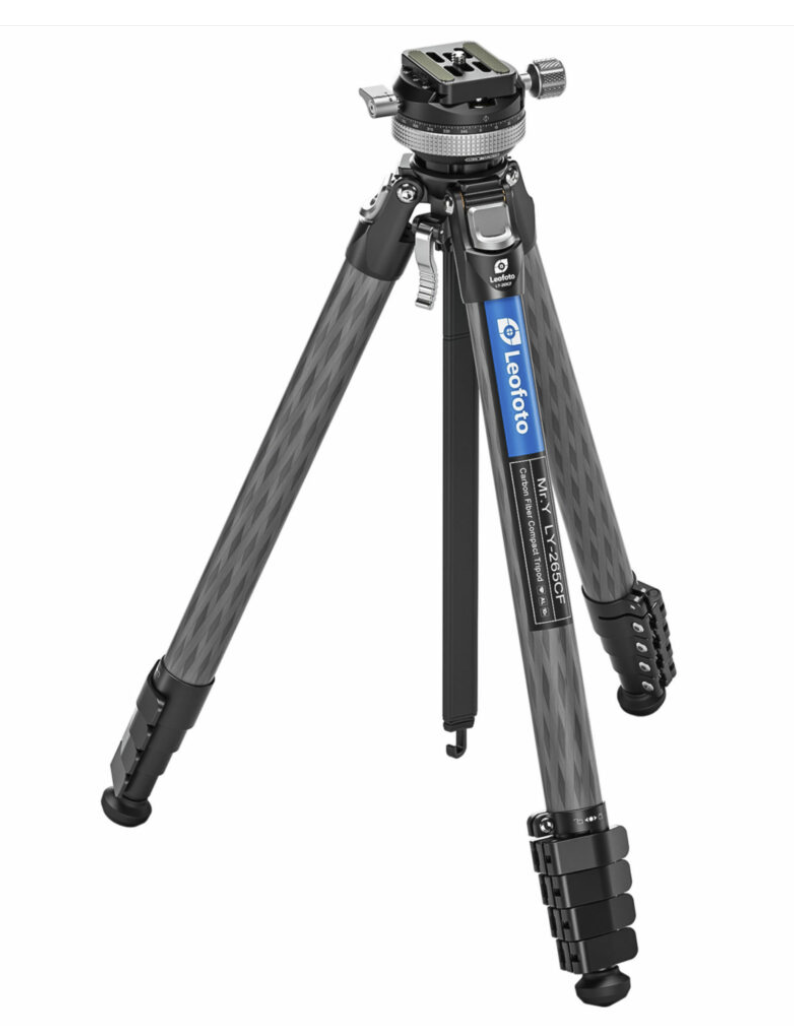
My Favourite Travel Tripod
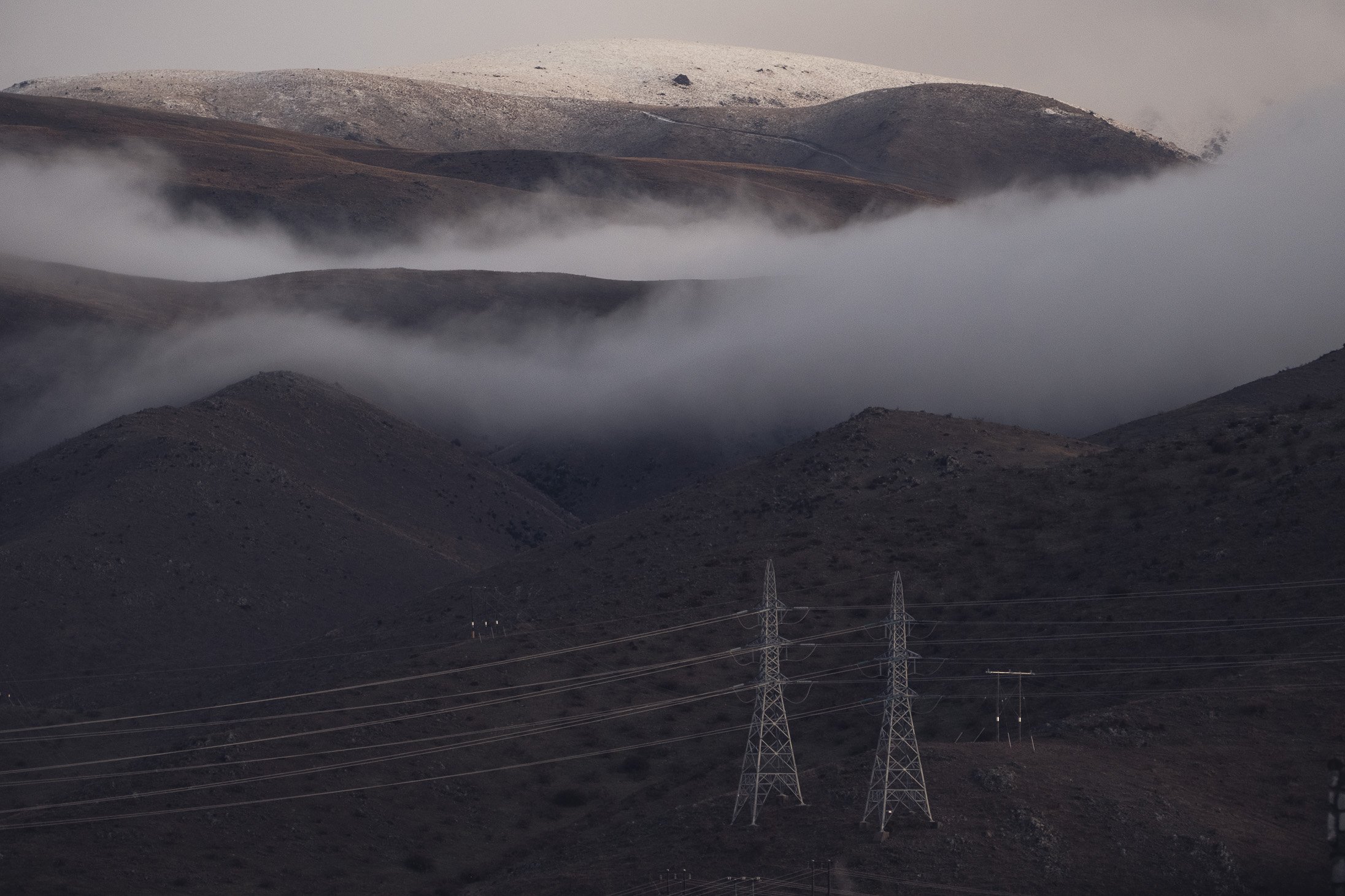
Twizel, New Zealand