Photo Tours
&
Tips on Travel Photography
Personal Photography Projects
Over the last three decades I have embarked on various personal projects that all stem from my other interests aside from photography. Such as Australian history, botanical art, humanitarian or environmental issues to name a few. Here a few I have done over the years.
Over the last three decades I have embarked on various personal projects that all stem from my other interests aside from photography. Such as Australian history, botanical art, humanitarian or environmental issues to name a few. Here a few I have done over the years.
Crazy Convicts & Free Settlers
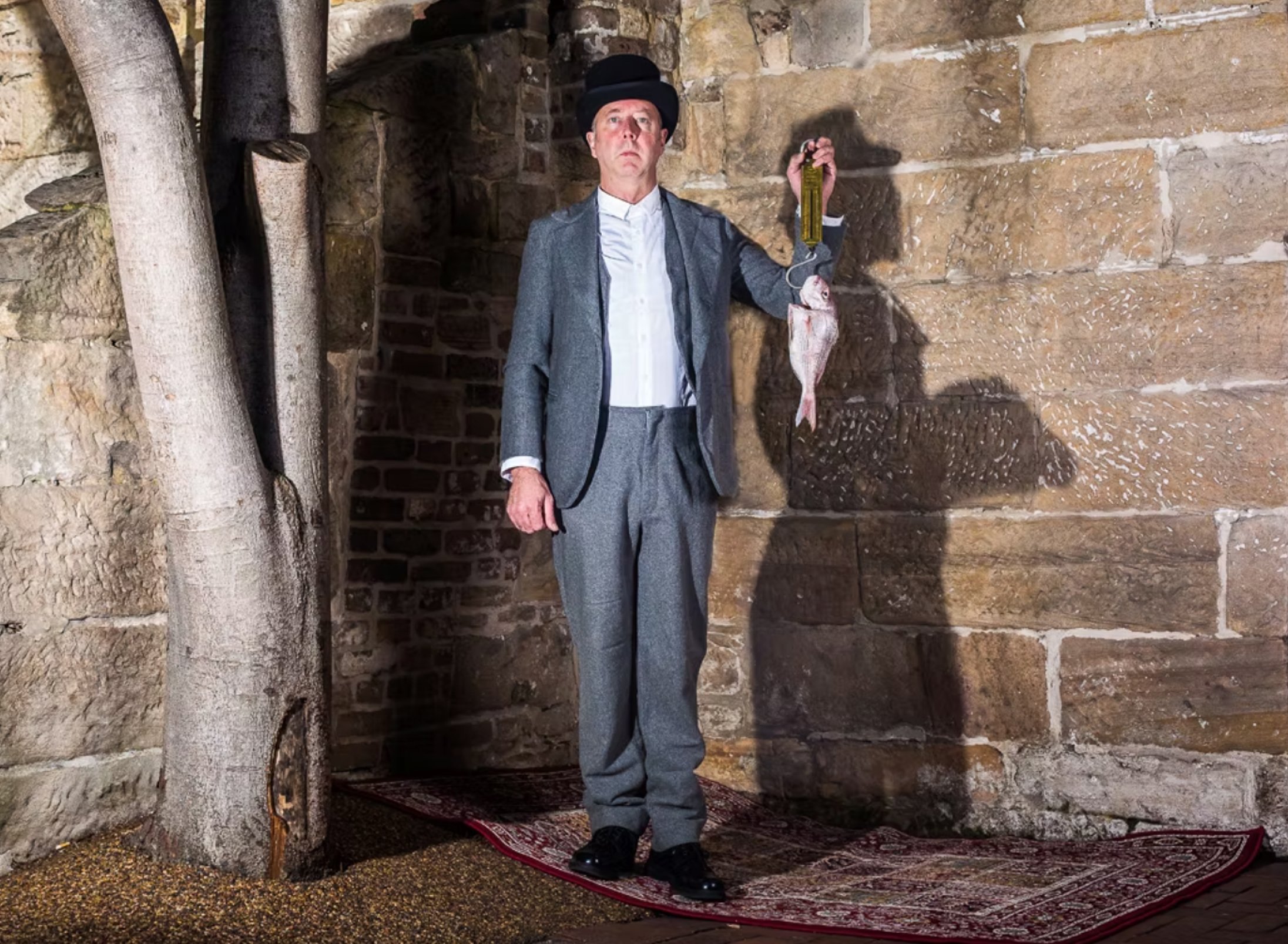
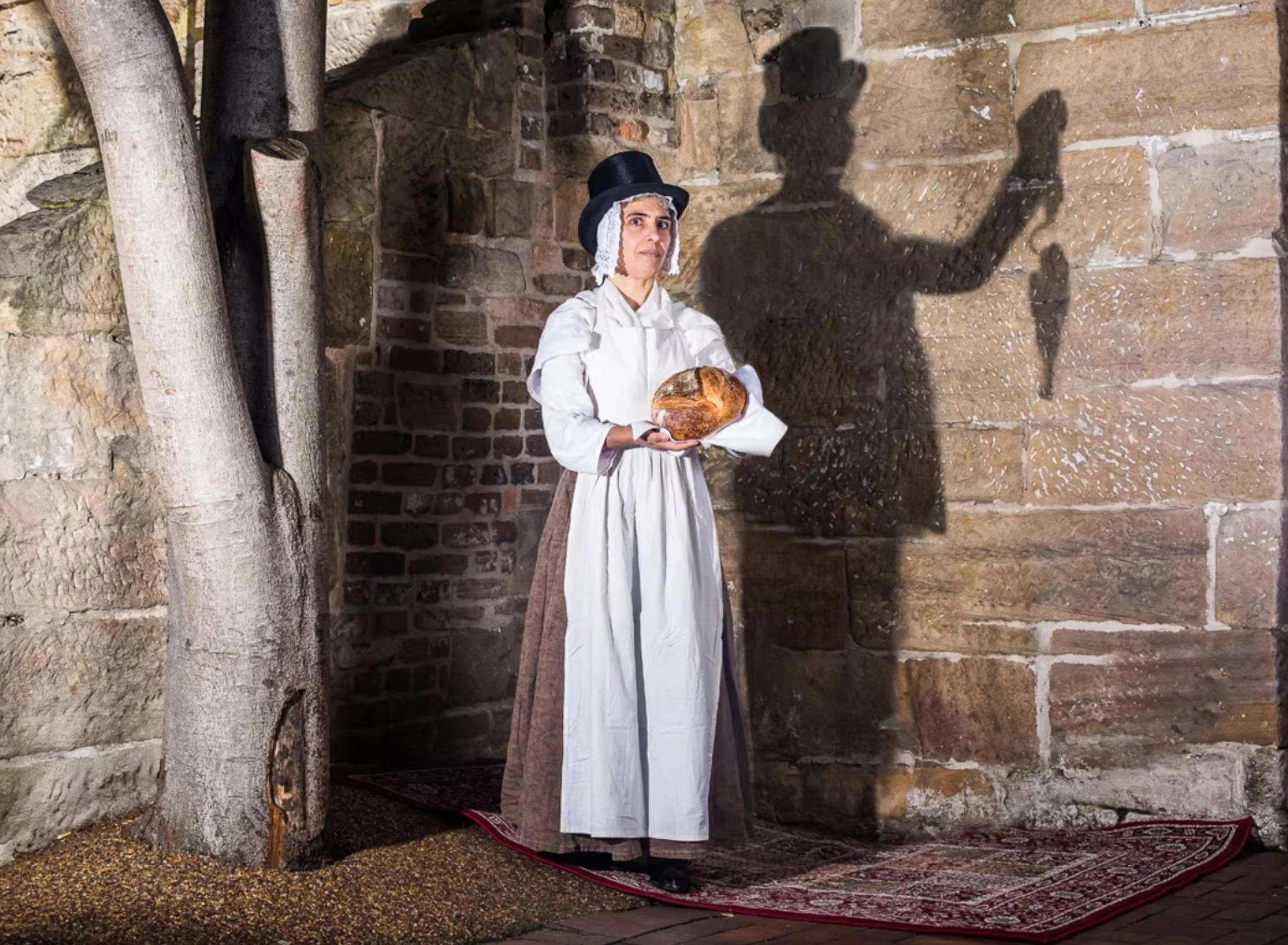
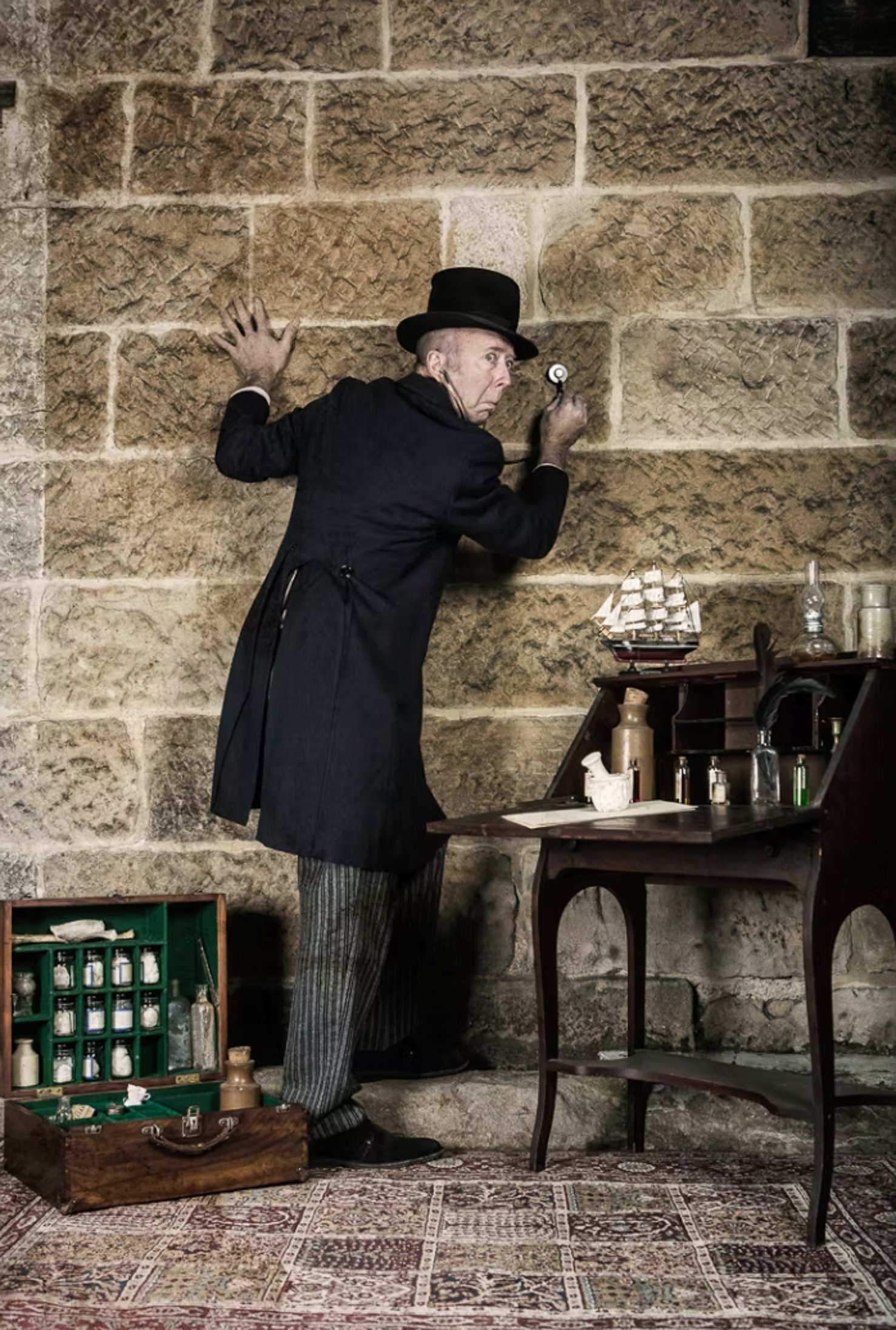
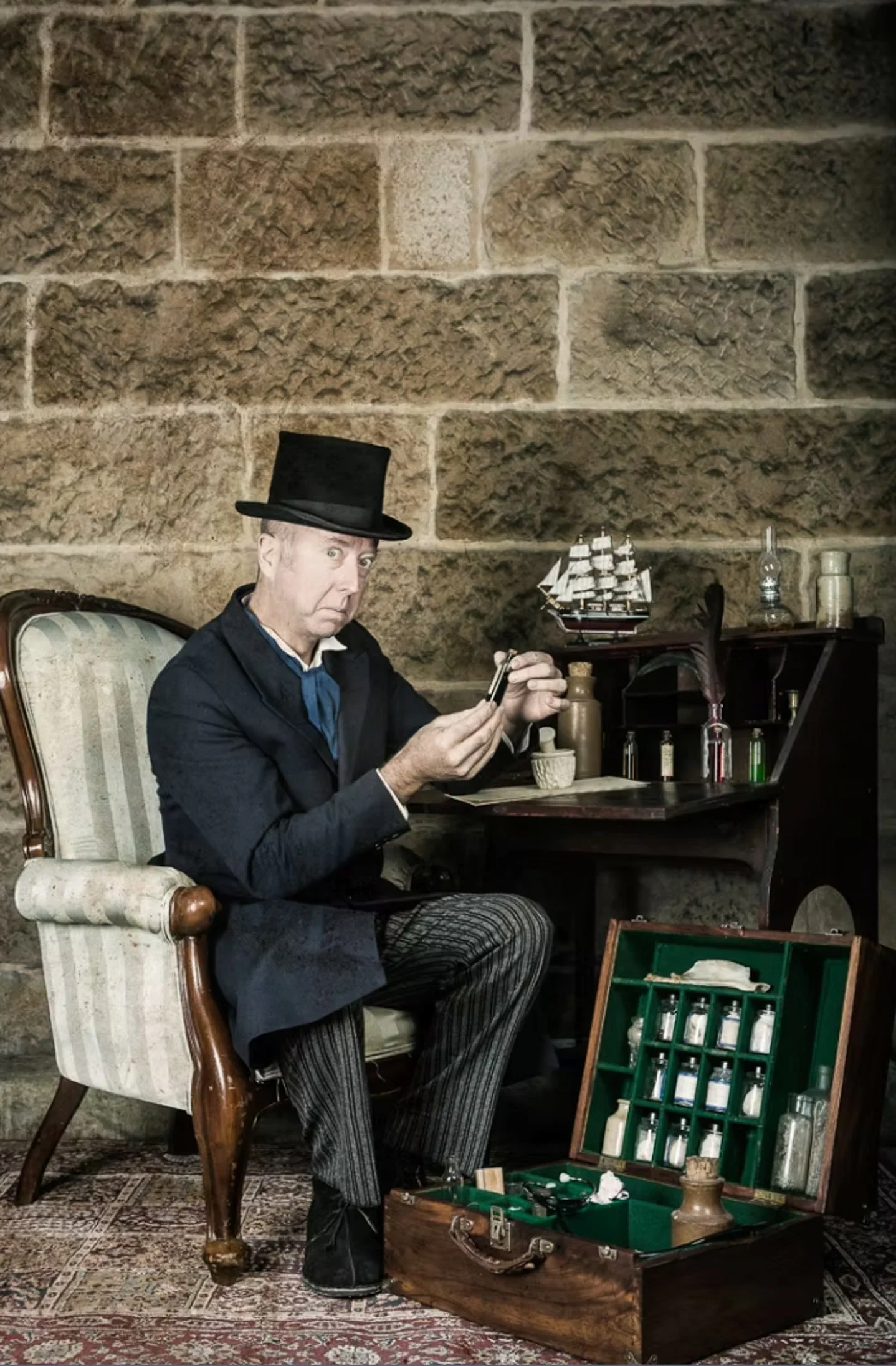
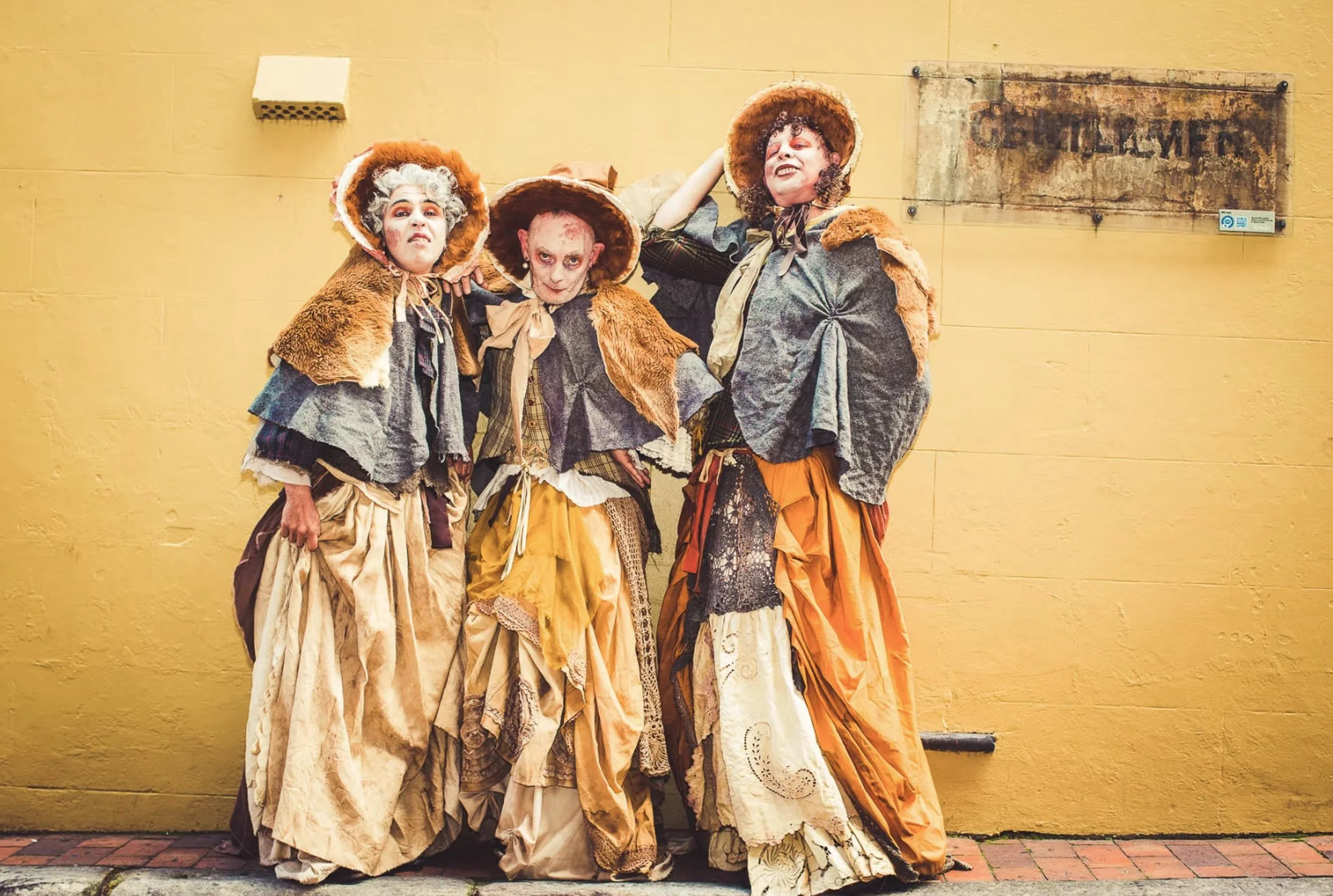
An in depth look at actual characters that existed in Sydney in the 1800s. Verging on the side of lunacy and quirkiness, these free settlers and convicts lived in the now historic Rocks area of Sydney. Here is my take on how they may have acted and lived.
Crazy Convicts & Free Settlers
Crazy Convicts & Free Settlers
Crazy Convicts & Free Settlers
Crazy Convicts & Free Settlers
Crazy Convicts & Free Settlers

Crazy Convicts & Free Settlers
Environmental Refugees
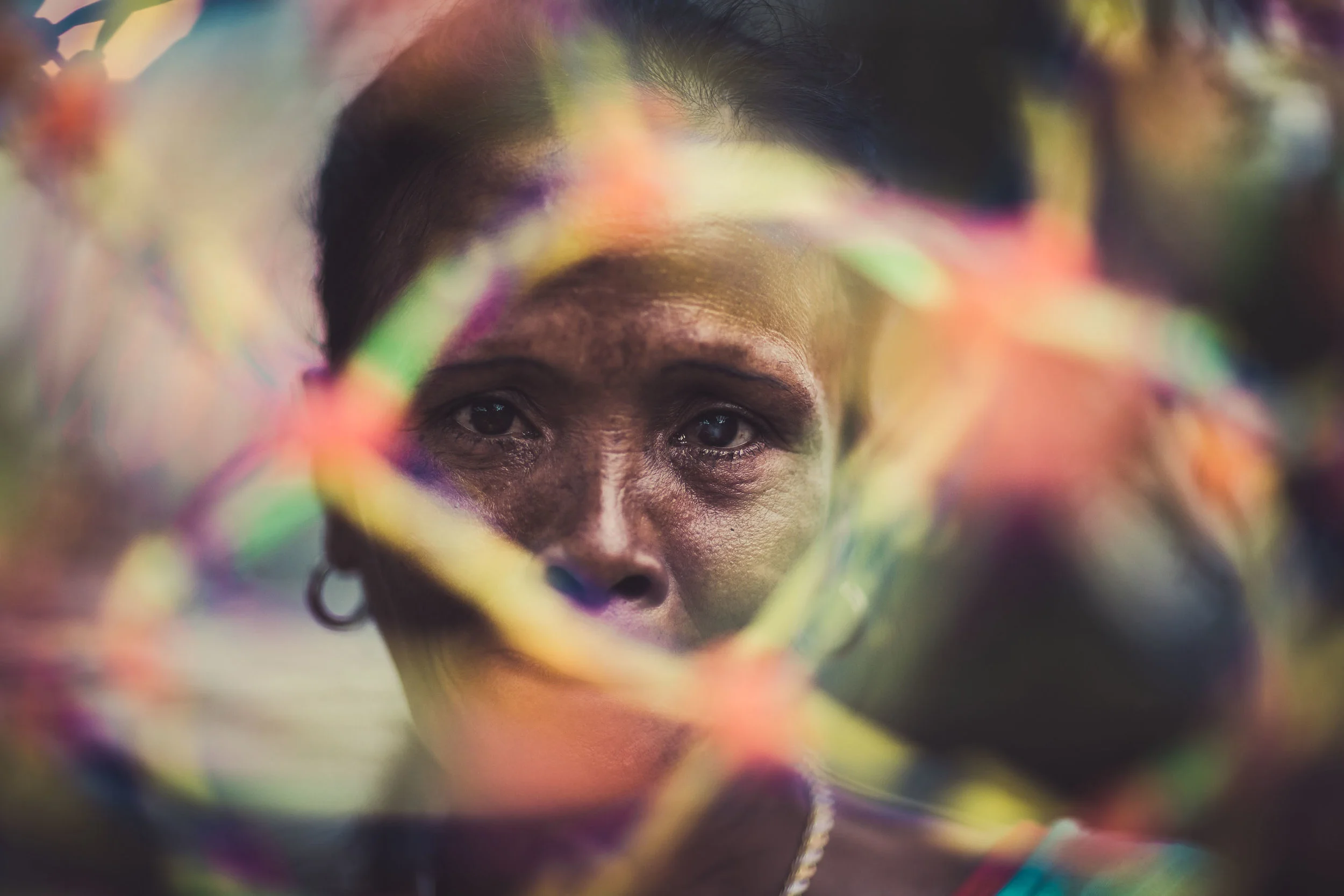
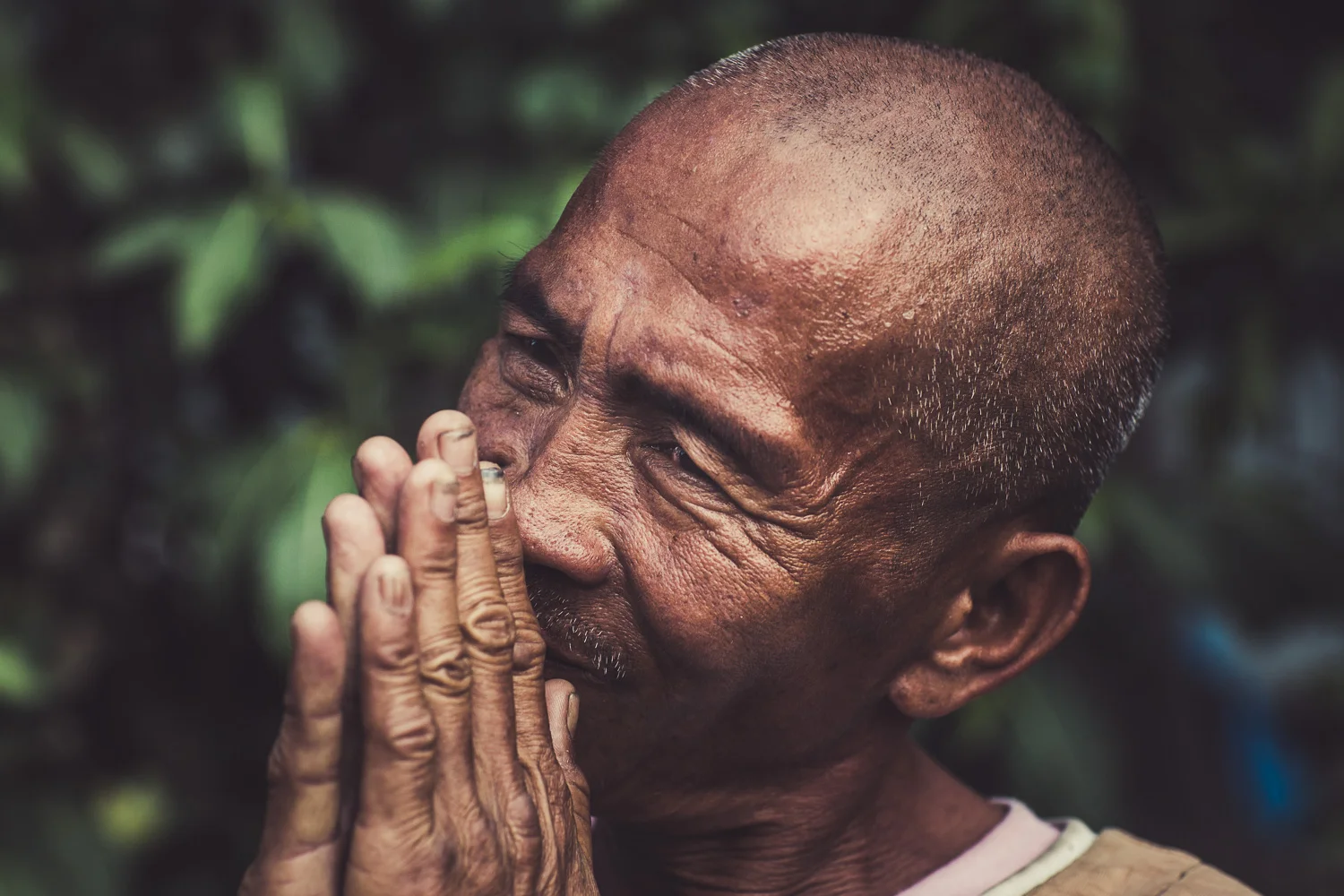
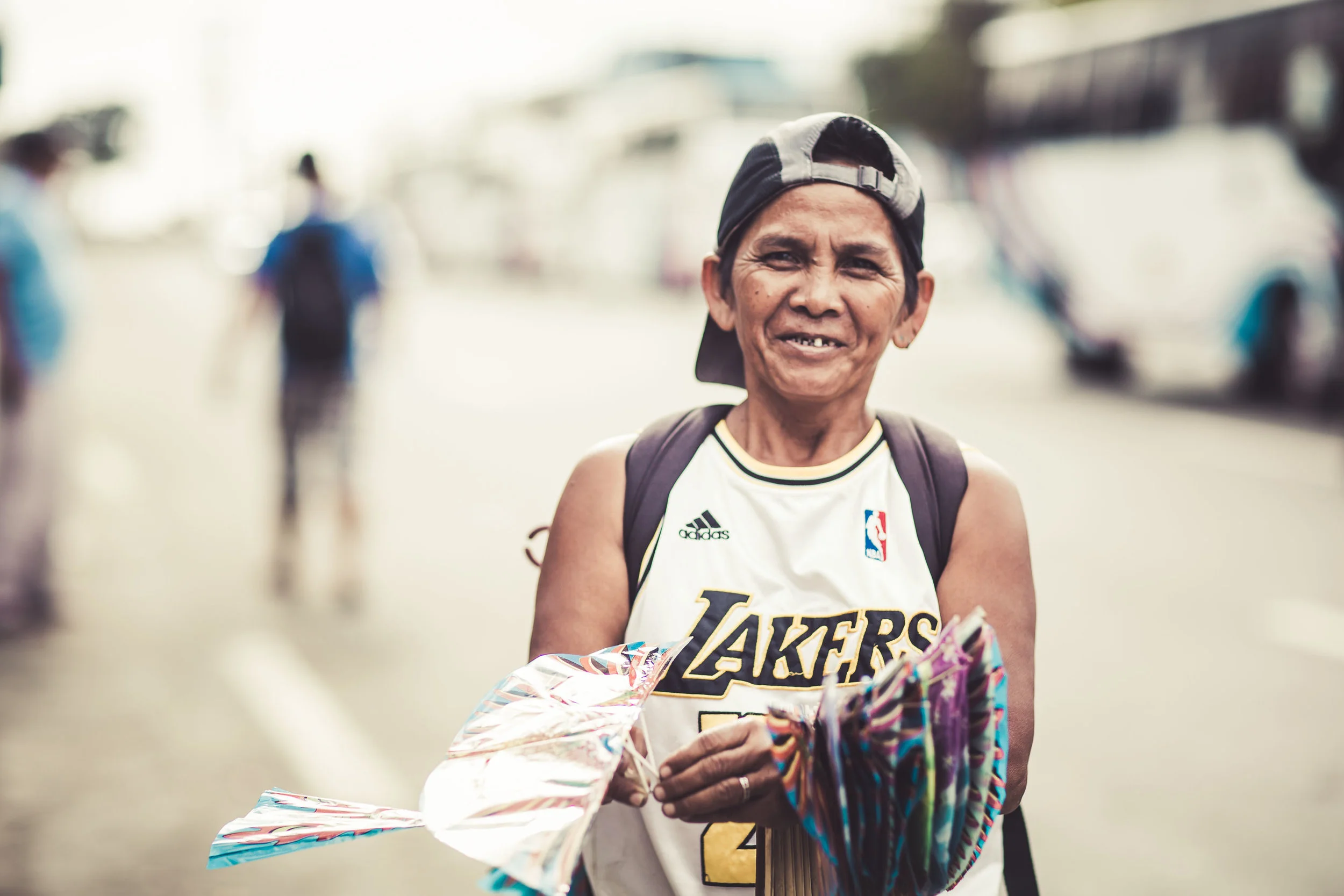
Many Filipinos have been displaced from their homes because of natural disasters which have forced them to move to Manila from the provinces. They become street vendors living on the edge of poverty.

Environmental Refugees
Environmental Refugees
Environmental Refugees
Environmental Refugees
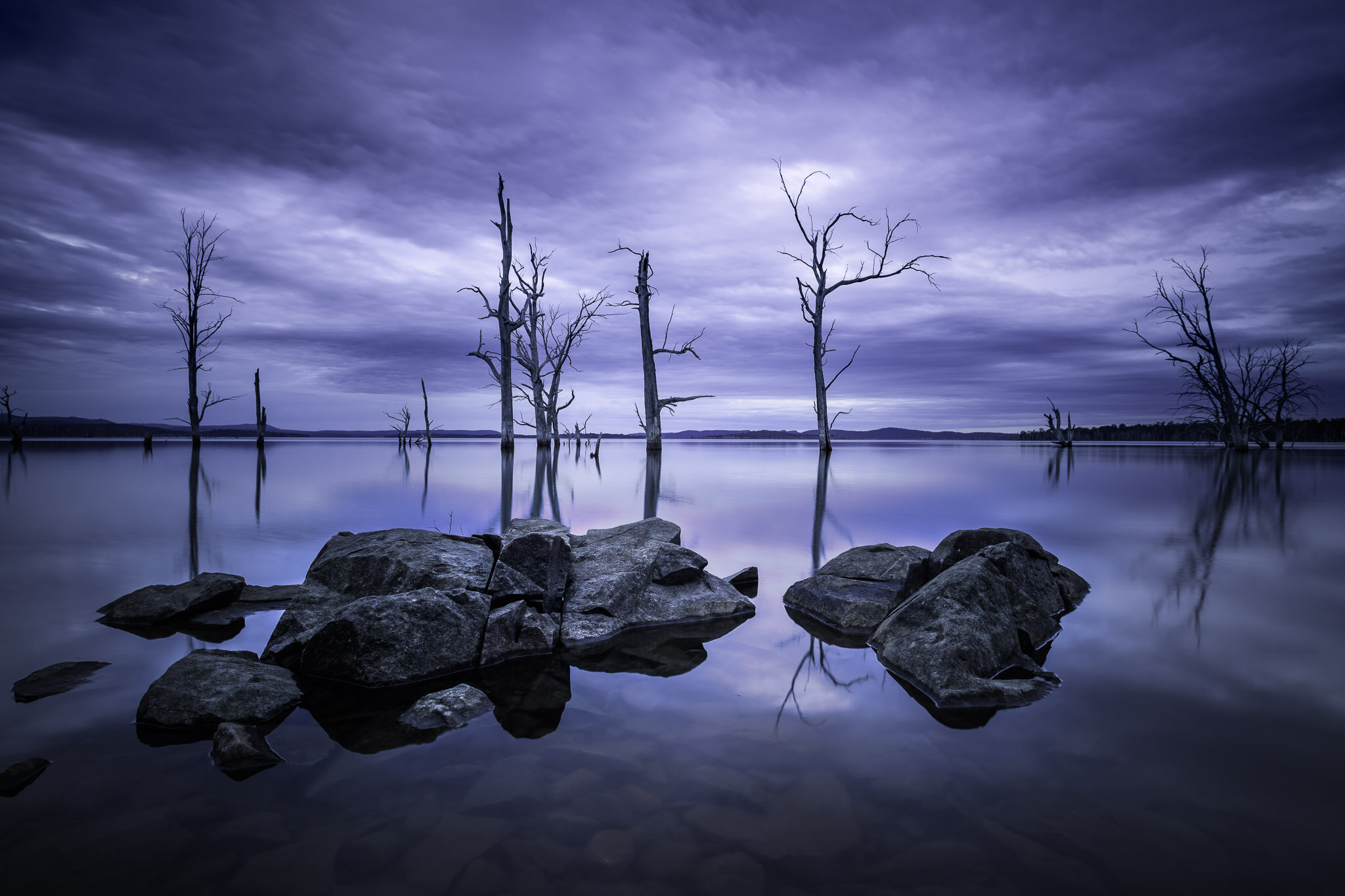
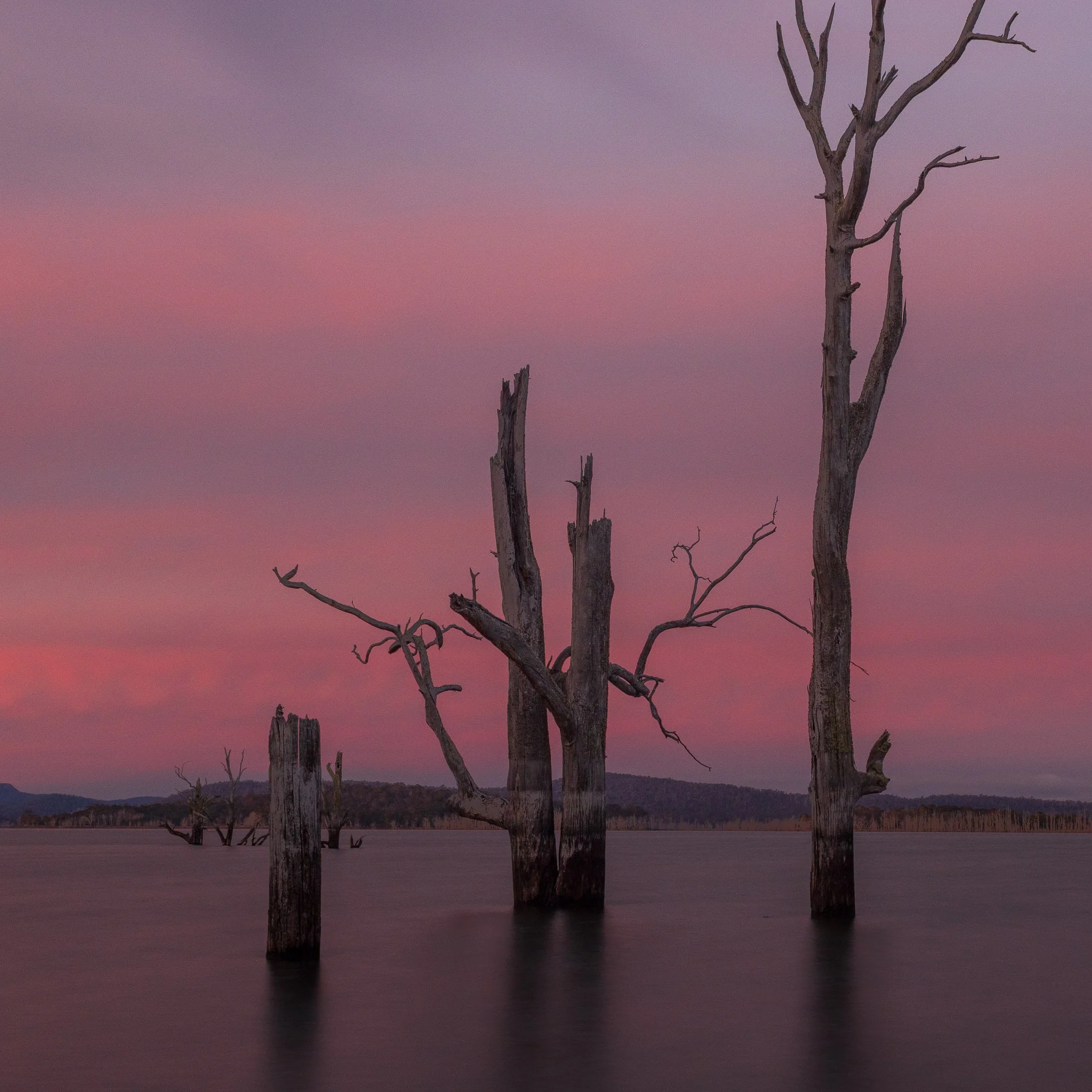
The Drowned Forest
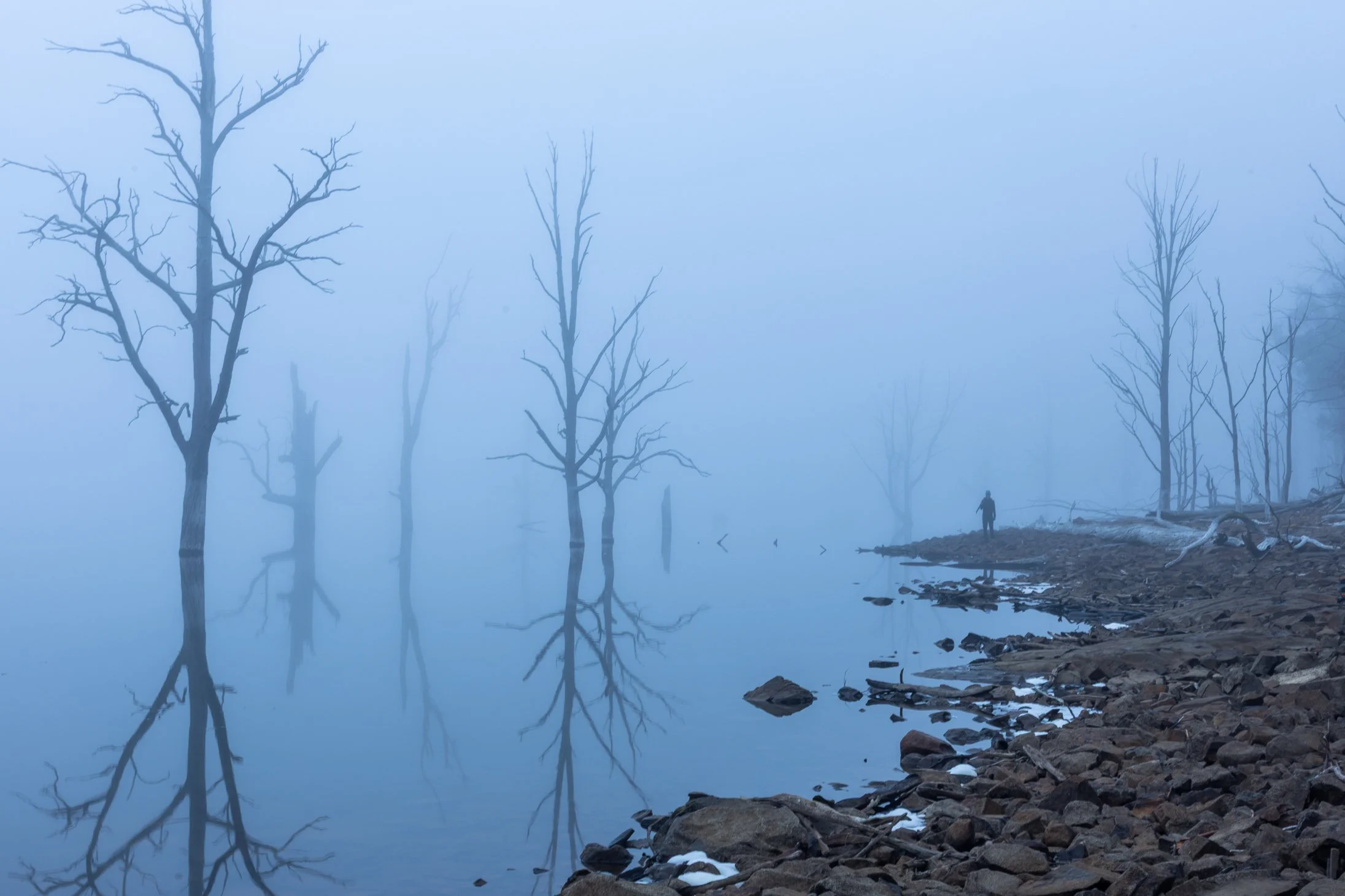
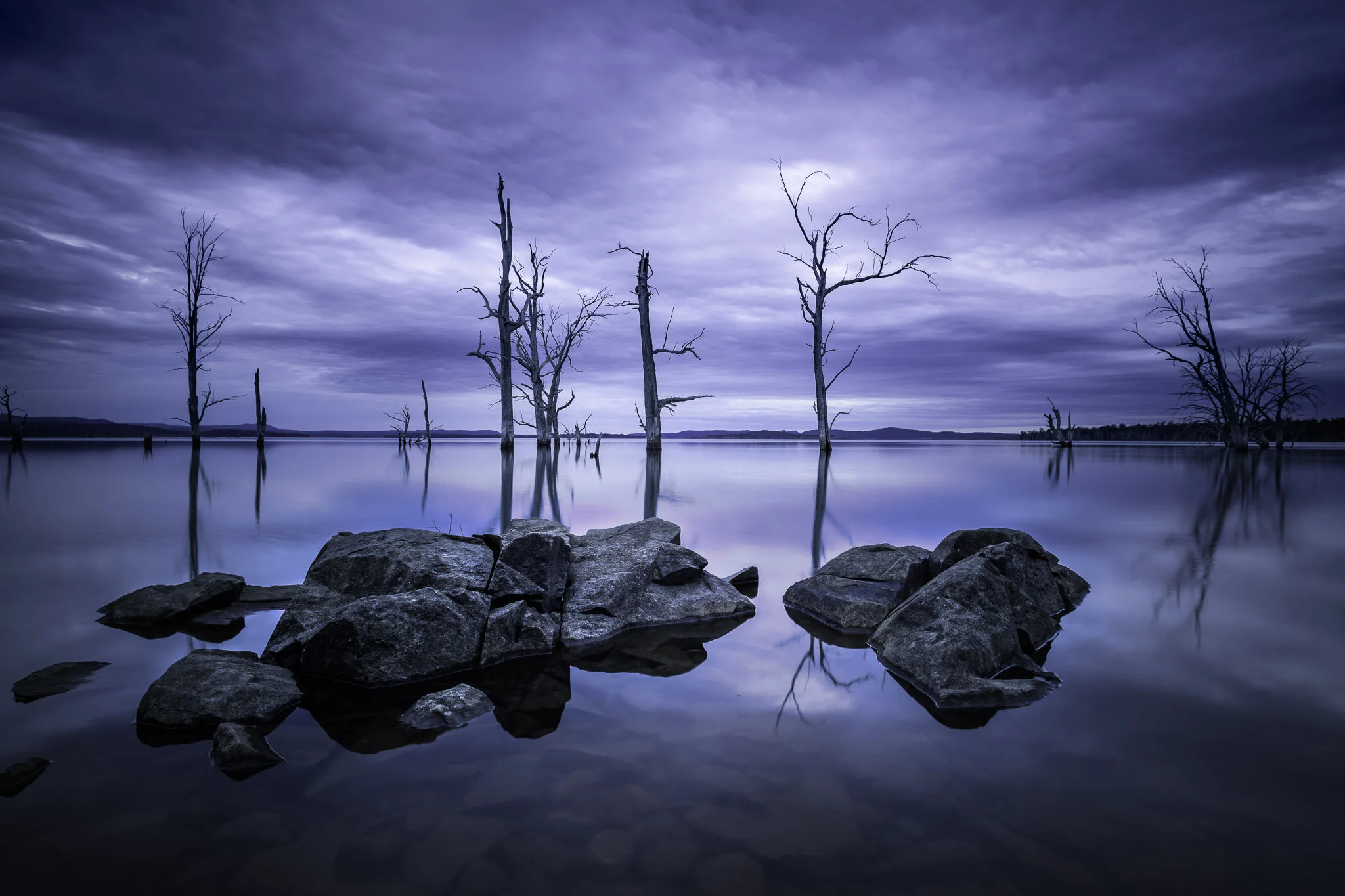
Arthurs Lake is located in the central highlands of Tasmania, Australia. The man-made lake has a submerged forest that gives the area an unusual, haunting beauty, especially during the early morning mist or sunset.
The Drowned Forest

The Drowned Forest

The Drowned Forest

The Drowned Forest
Icesolation
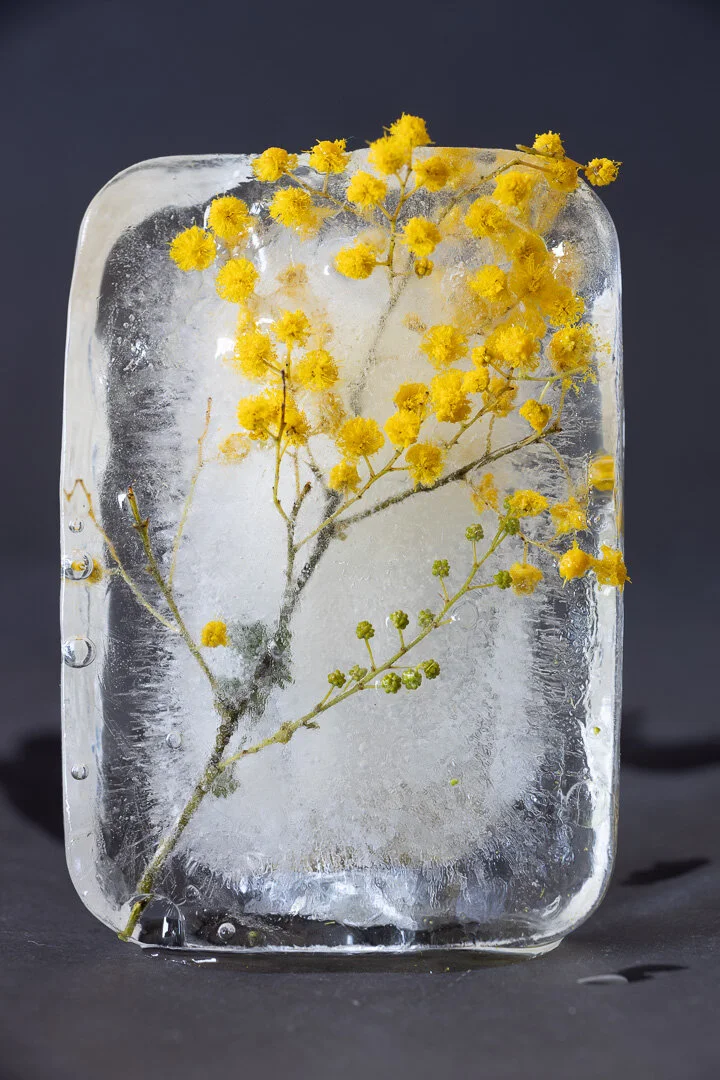
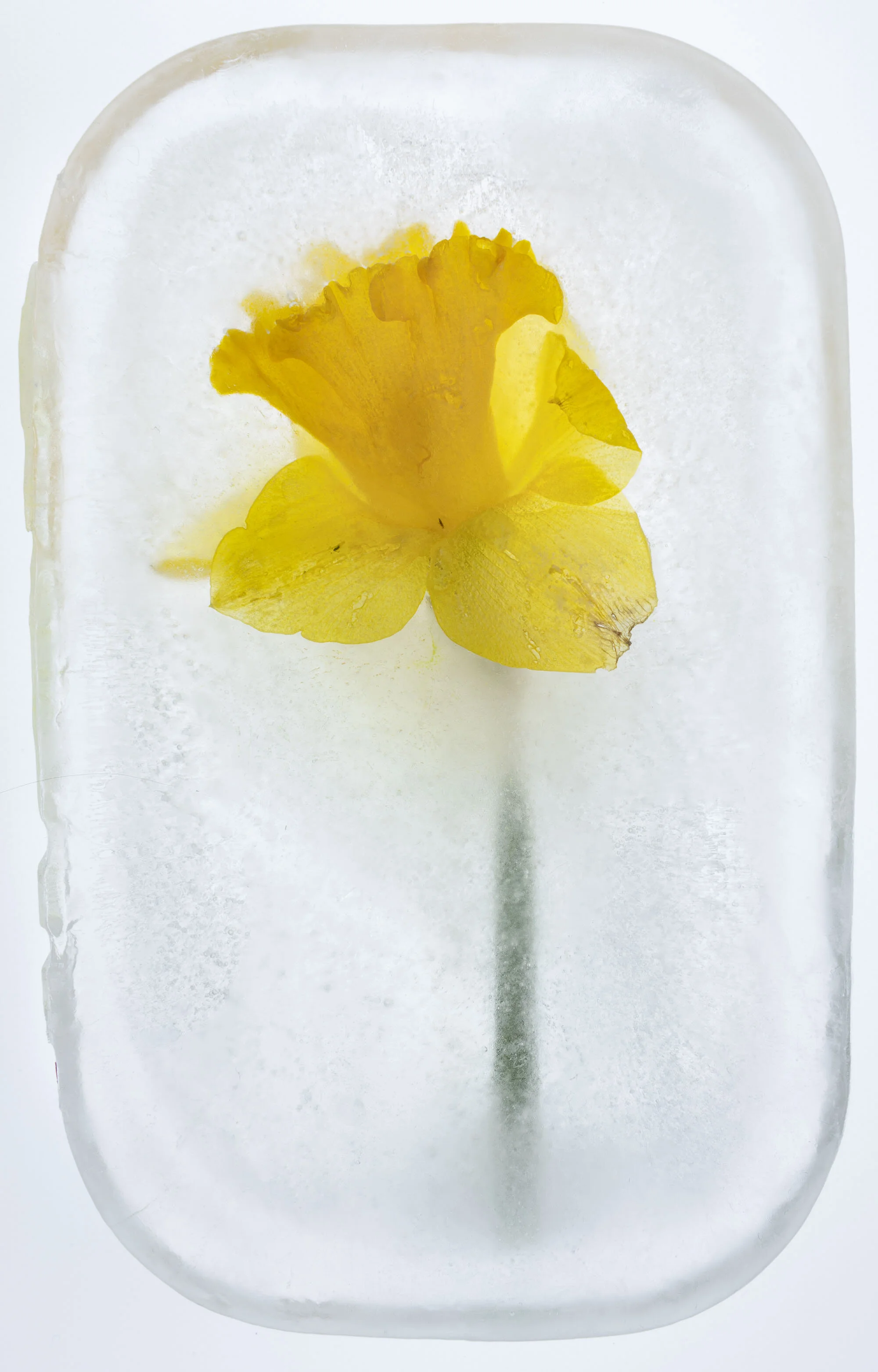
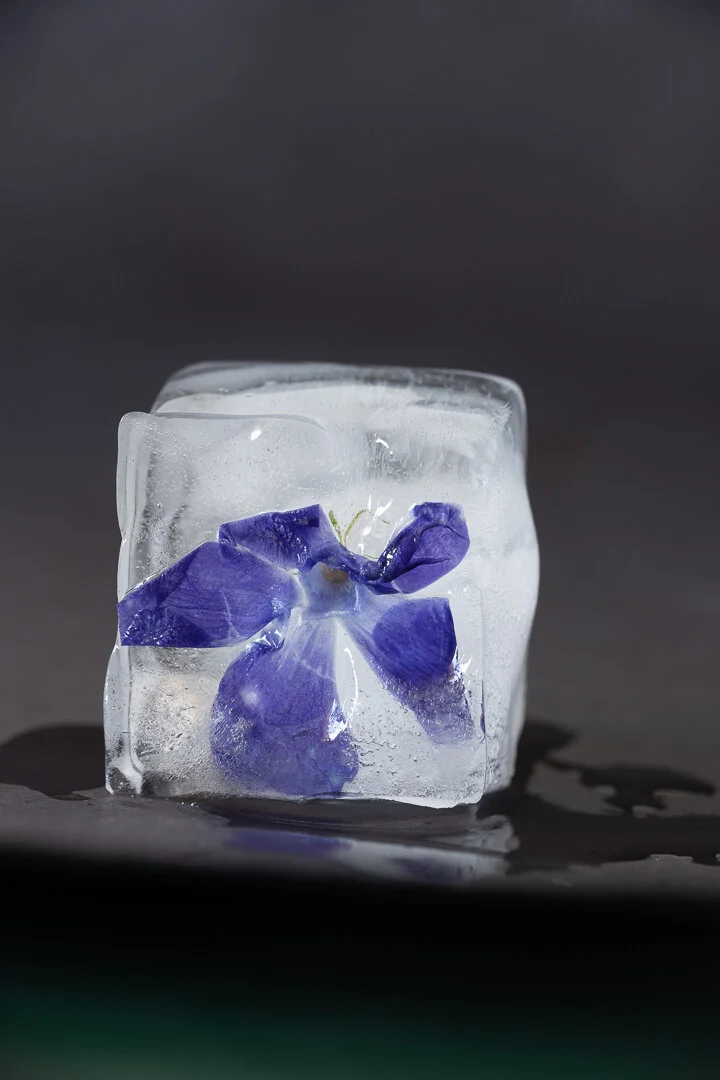
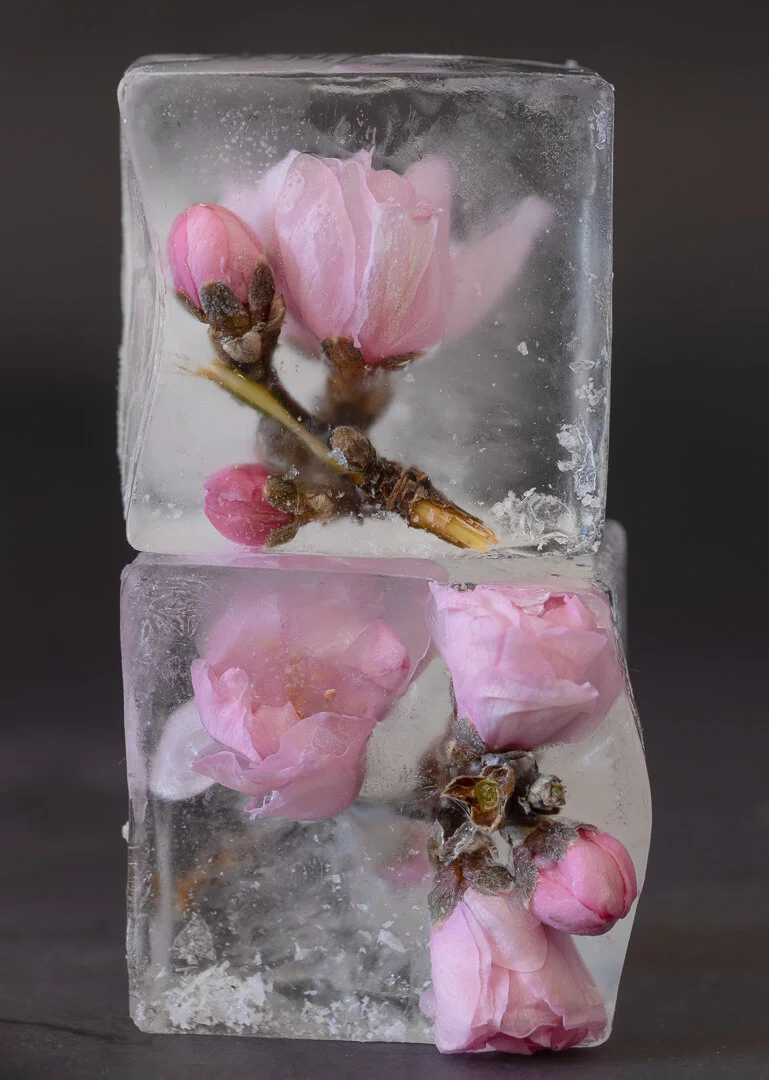
While locked down in Sydney during the COVID-19 pandemic, feeling isolated the idea of ice flowers seemed to incapsulate my feeling of waiting to break free but frozen in time.
Icesolation
Icesolation
Icesolation
Icesolation
What Is The Slow Photography Movement?
Ever feel overwhelmed by the thousands of identical photos sitting in your camera hard drive or cloud storage. That's exactly why the slow photography movement is blowing up right now.
Ever feel overwhelmed by the thousands of identical photos sitting in your camera hard drive or cloud storage. That's exactly why the slow photography movement is blowing up right now.
Japan Photo Tours
Think of it as the ultimate antidote to our fast-paced, screen-obsessed world. Inspired by things like the slow food movement, it’s all about slowing down, being present, and actually enjoying the process of taking a picture—instead of just clicking away like a robot.
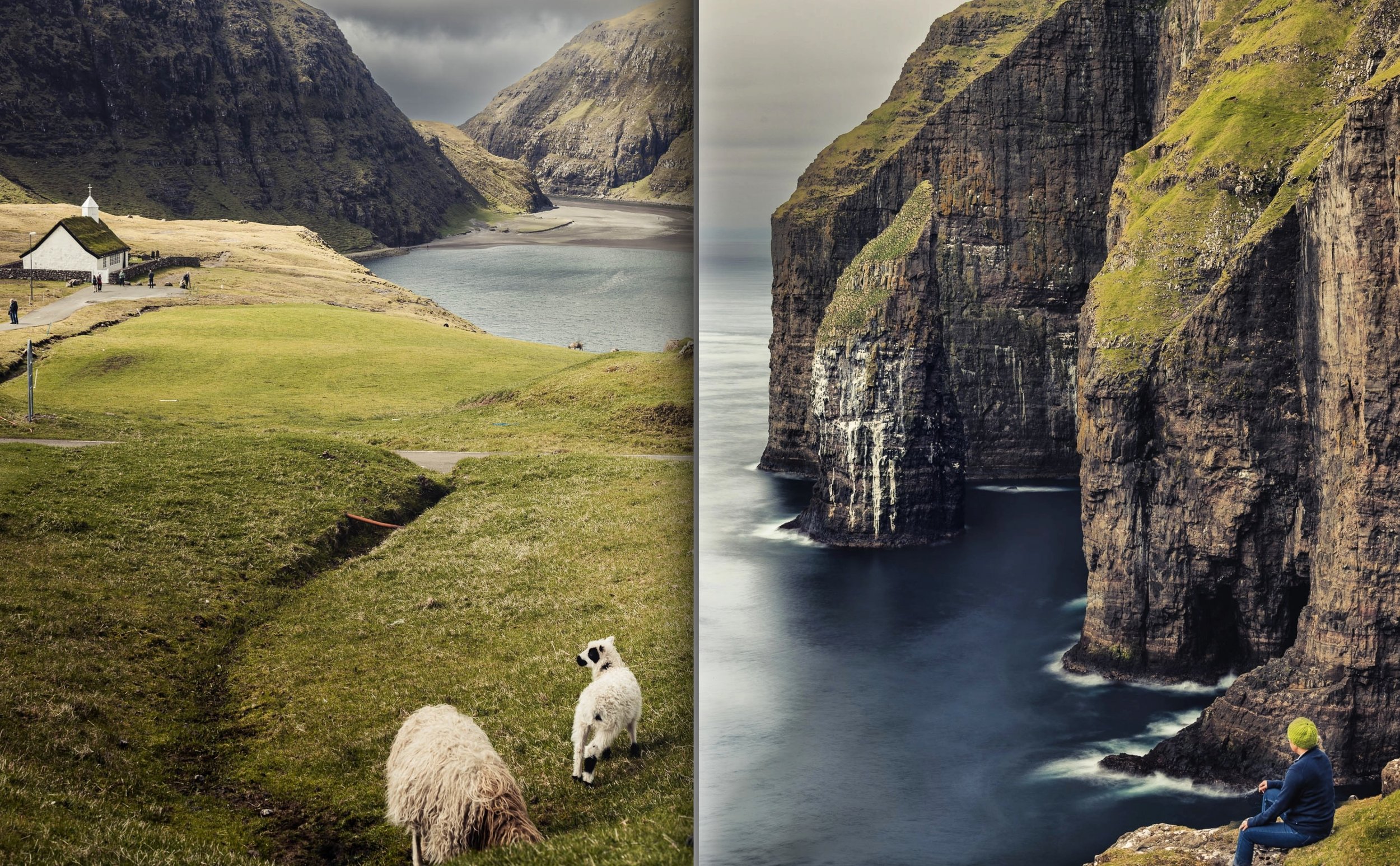
Faroe Islands Photo Tour
Here is what the vibe is all about:
Quality over quantity: Instead of snapping 50 versions of the exact same latte or sunset, you take a breath, wait for the perfect moment, and take just one intentional shot.
Getting analog: A lot of people in this movement love going old-school. They hunt down vintage film cameras or experiment with historic printing styles just to feel that tactile, hands-on connection to the art.
Chilling out: It forces you to actually look around. Instead of chasing a tourist hotspot just for a quick story update, you spend time getting to know a place, watching how the light changes, and noticing the little details.
Loving the flaws: In a world of AI filters and hyper-polished digital images, slow photography embraces the quirks, light leaks, and happy accidents that make a photo feel real.
Tasmania Photo Tours
Ultimately, it’s less about creating a "perfect" image for an algorithm and more about how the act of shooting makes you feel.
Want to give it a try? Let me know if you want:
Some easy ways to practice this using just your smartphone
Recommendations on good starter film cameras if you want to go full analog
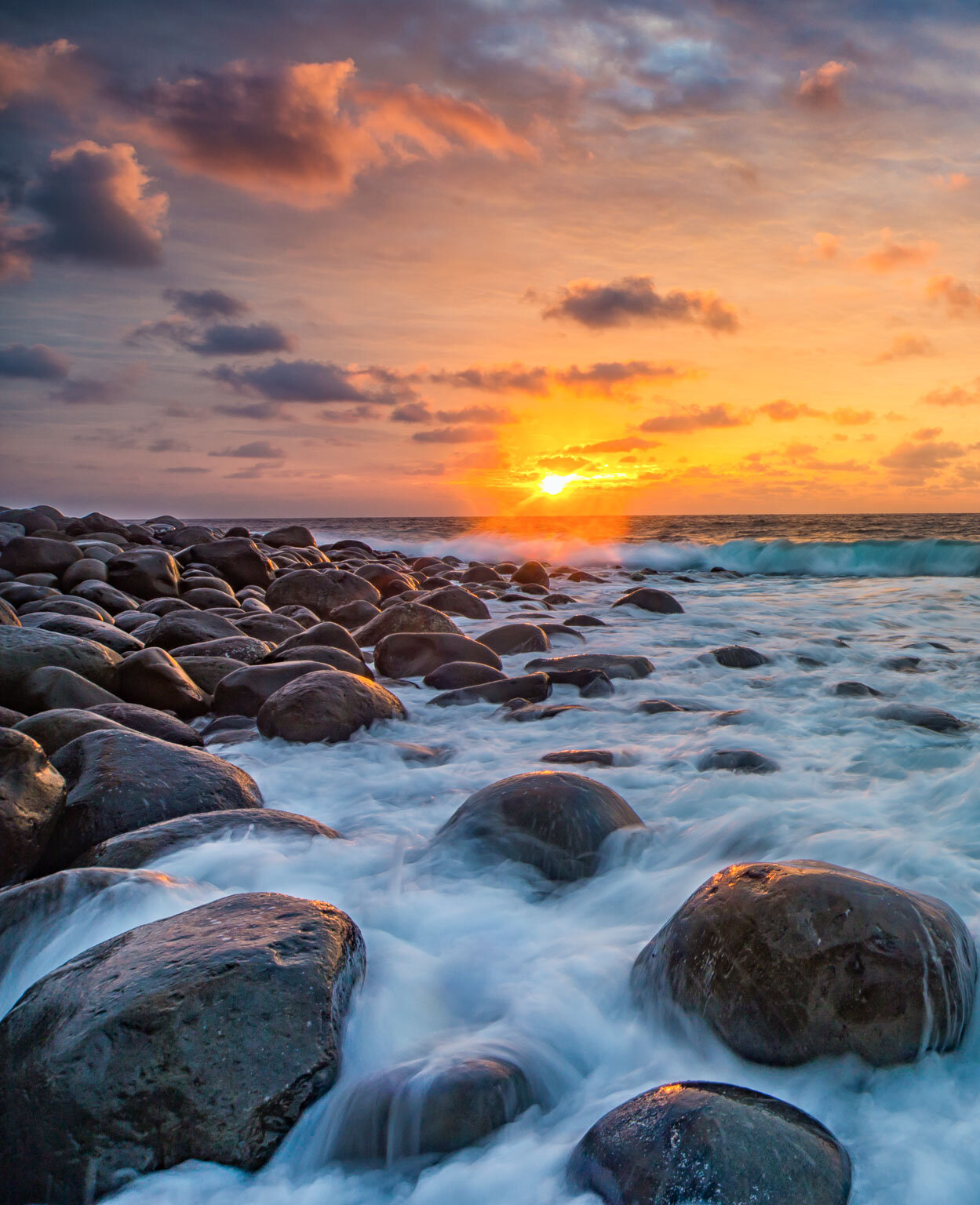
Philippines Photo Tour

Spain Photo Tours

Why is Photography - Therapy For The Soul
Why is photography therapy for the soul? Visual communication in any medium is a window to your soul. Its a brief look at your sub-concious memories.
Taking the time to frame a shot, lock in your focus, and snap a picture forces your brain to slow down, stay present, and let out whatever you're feeling. If you are using your mobile or have it with you, best to have on airplane mode to avoid any distractions.
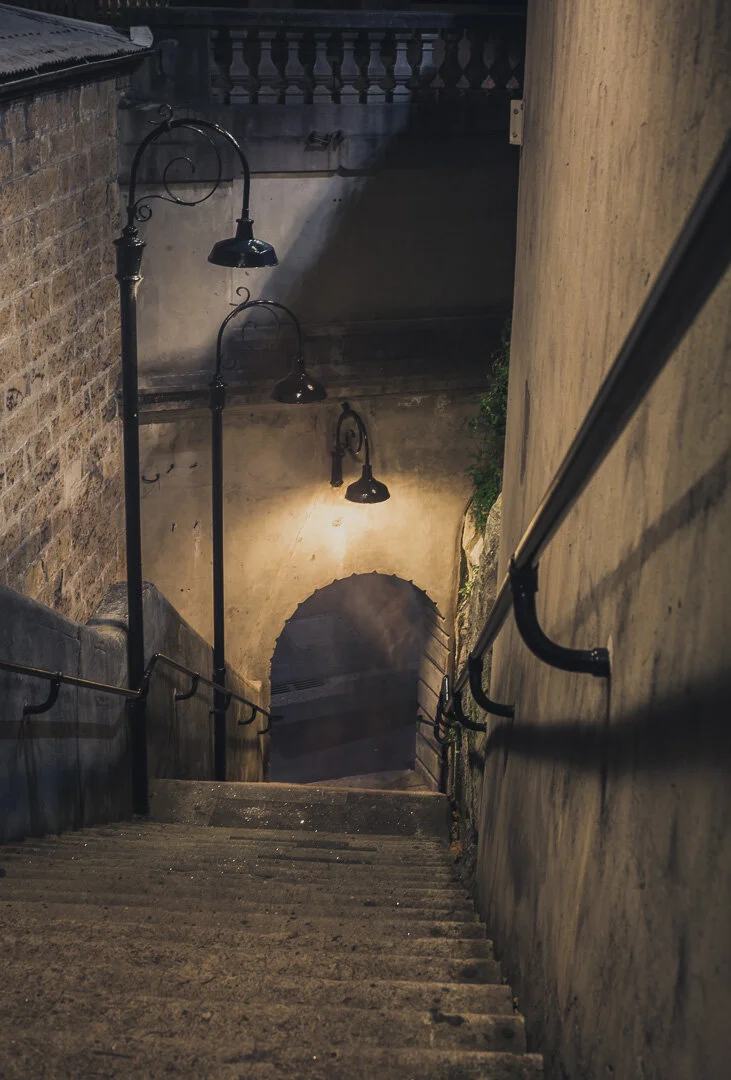
Sydney Photo Walks
Getting Out of Your Head
* Living in the moment: When you're locked into finding the right light, shadows, and composition, your brain stops spiraling about yesterday’s regrets or tomorrow’s stress.
* Hitting the flow state: Getting totally lost in hunting for cool angles gets you straight "in the zone," which instantly dials down stress and quiets a chaotic mind.
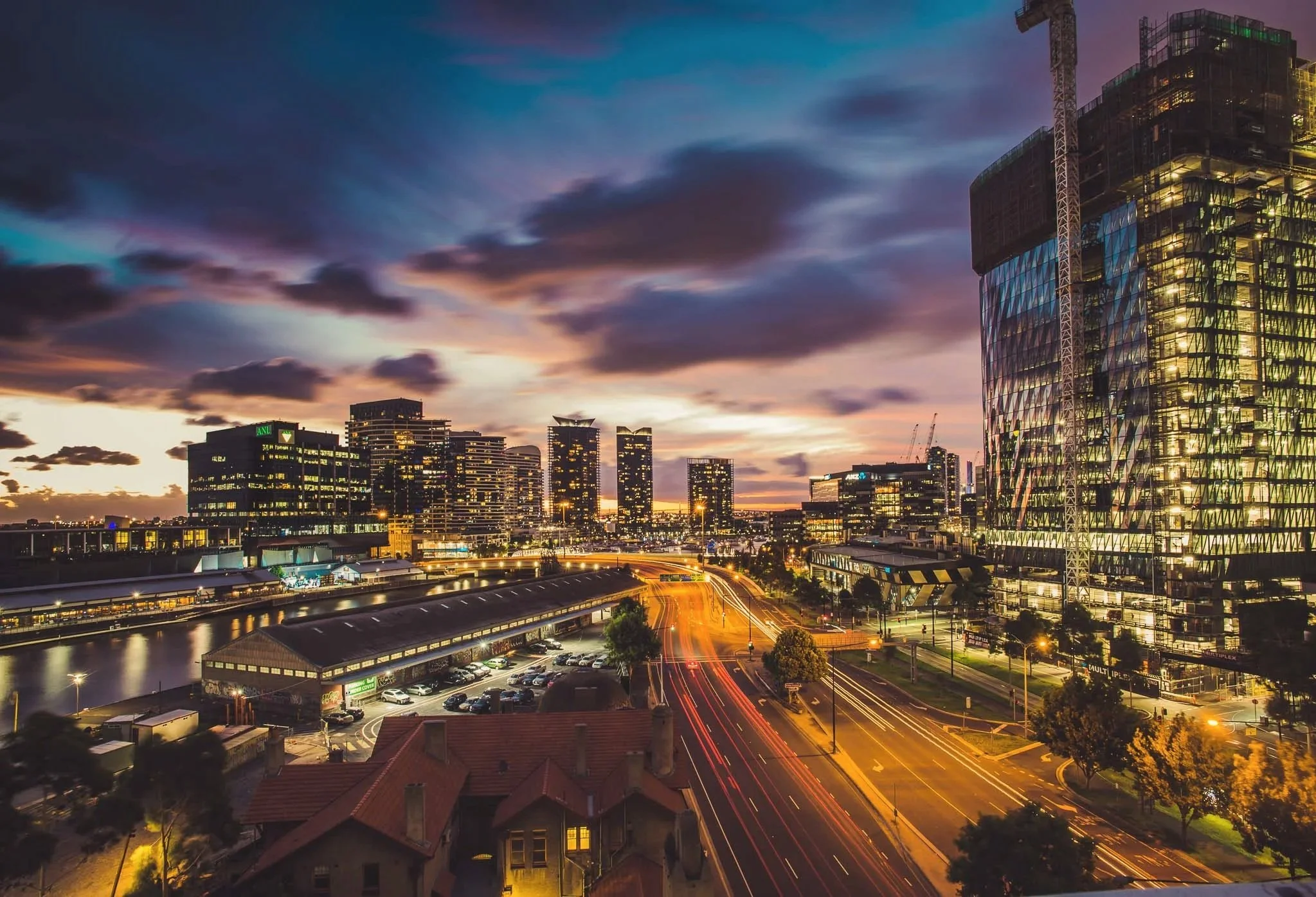
Melbourne Photo Walks
Expressing Things Without Words
* Saying what words can't: When heavy emotions are too complicated to talk about, taking photos gives you a creative way to dump those feelings out and make sense of them.
* Gaining a new perspective: Putting your feelings into a photo lets you look at your own pain from a safe distance, making it way easier to process.

Brisbane Photo Walks
Boosting Your Mood Naturally
* Dopamine hits: Nailing a great shot gives your brain a nice little hit of feel-good chemicals, leaving you with a genuine sense of accomplishment.
* Getting you moving: Photography gives you an excuse to get outside and explore, which naturally calms your nervous system and takes the edge off anxiety.
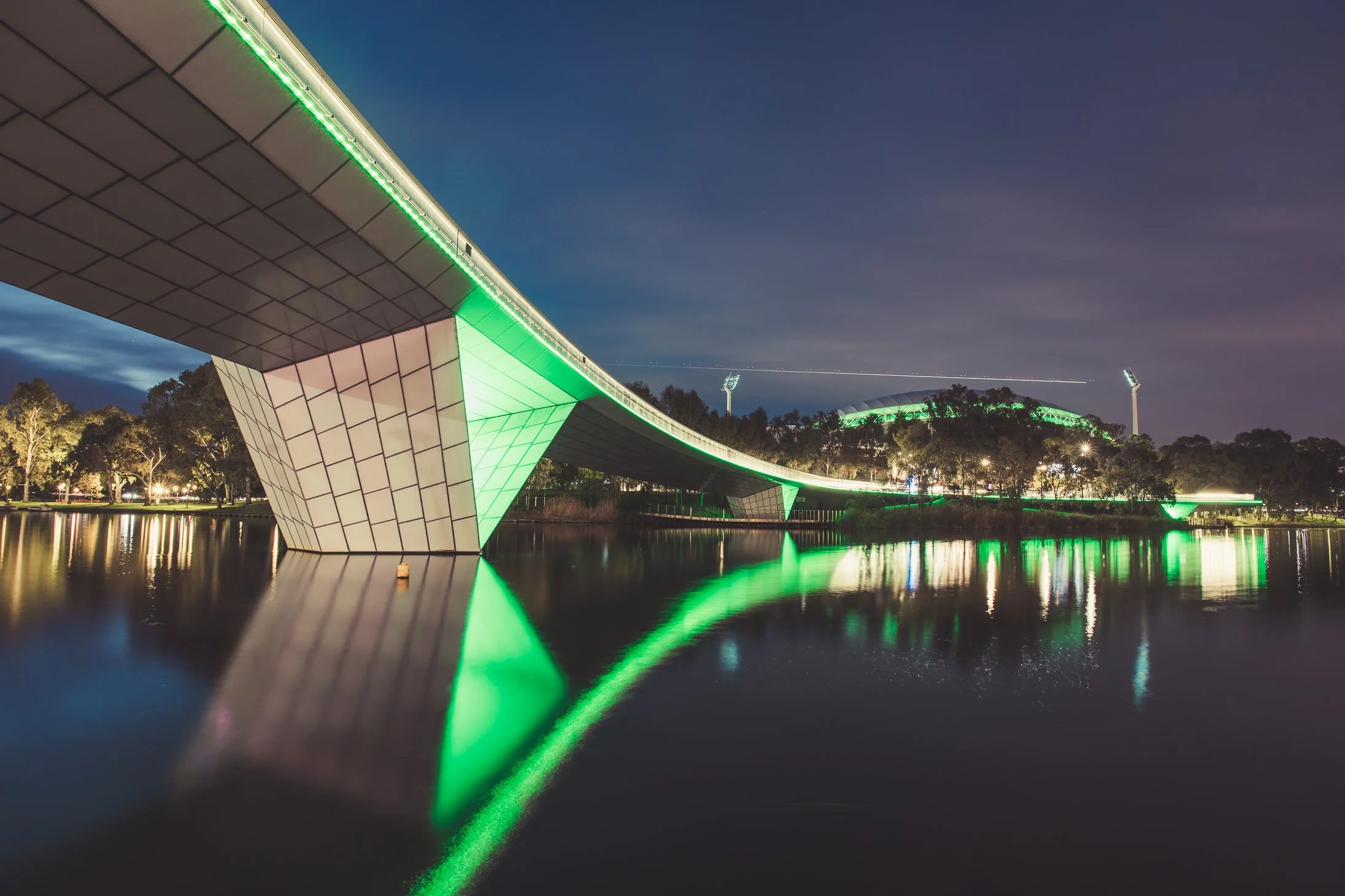
Adelaide Photo Walks
In Conclusion: Routine = Ritual - Set some daily or weekly goals to go for a photo walk around your neighbourhood. Hop on a bus to a suburb you haven’t been to for many years. Try eating a new type of food. Chat with a local and ask for a street portrait. Discipline and trying new things is the key to opening up your curiosity.

Fremantle, Perth Photo Walks
Colour Psychology
COLOUR
Here is how different photography genres utilize color psychology to evoke specific emotions and moods broken down by key adjectives.
Micro Adventures Workshops
Portrait & Fashion Photography
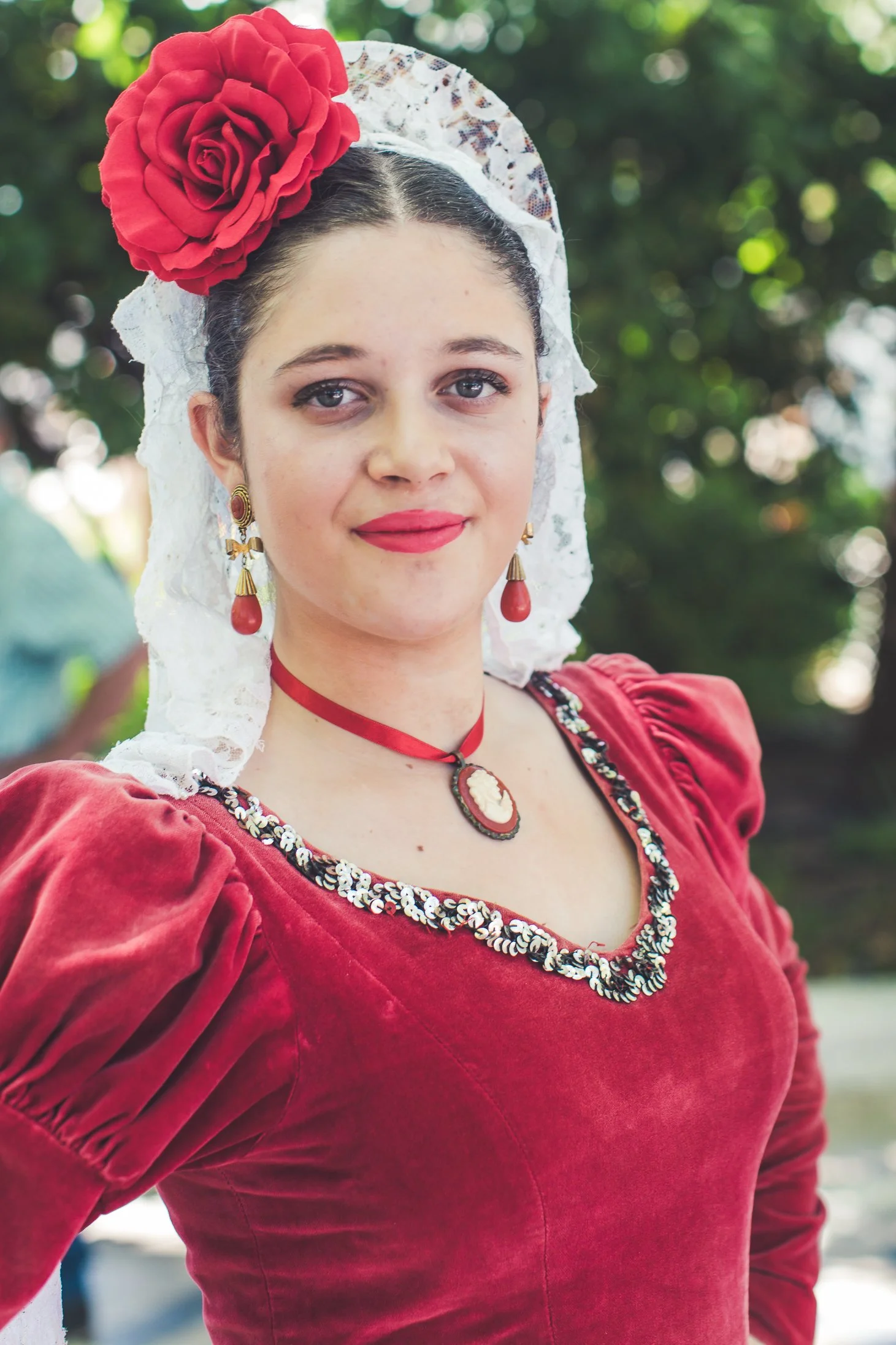
Red: Passionate, bold, provocative, aggressive, powerful.
Blue: Calm, trustworthy, melancholic, professional, cold.
Yellow: Energetic, cheerful, youthful, eccentric, optimistic.
Green: Natural, fresh, serene, envious, grounded.
Purple: Luxurious, mysterious, creative, regal, eccentric.
Pink: Romantic, innocent, playful, gentle, vulnerable.
Southern Spain Photo Tour
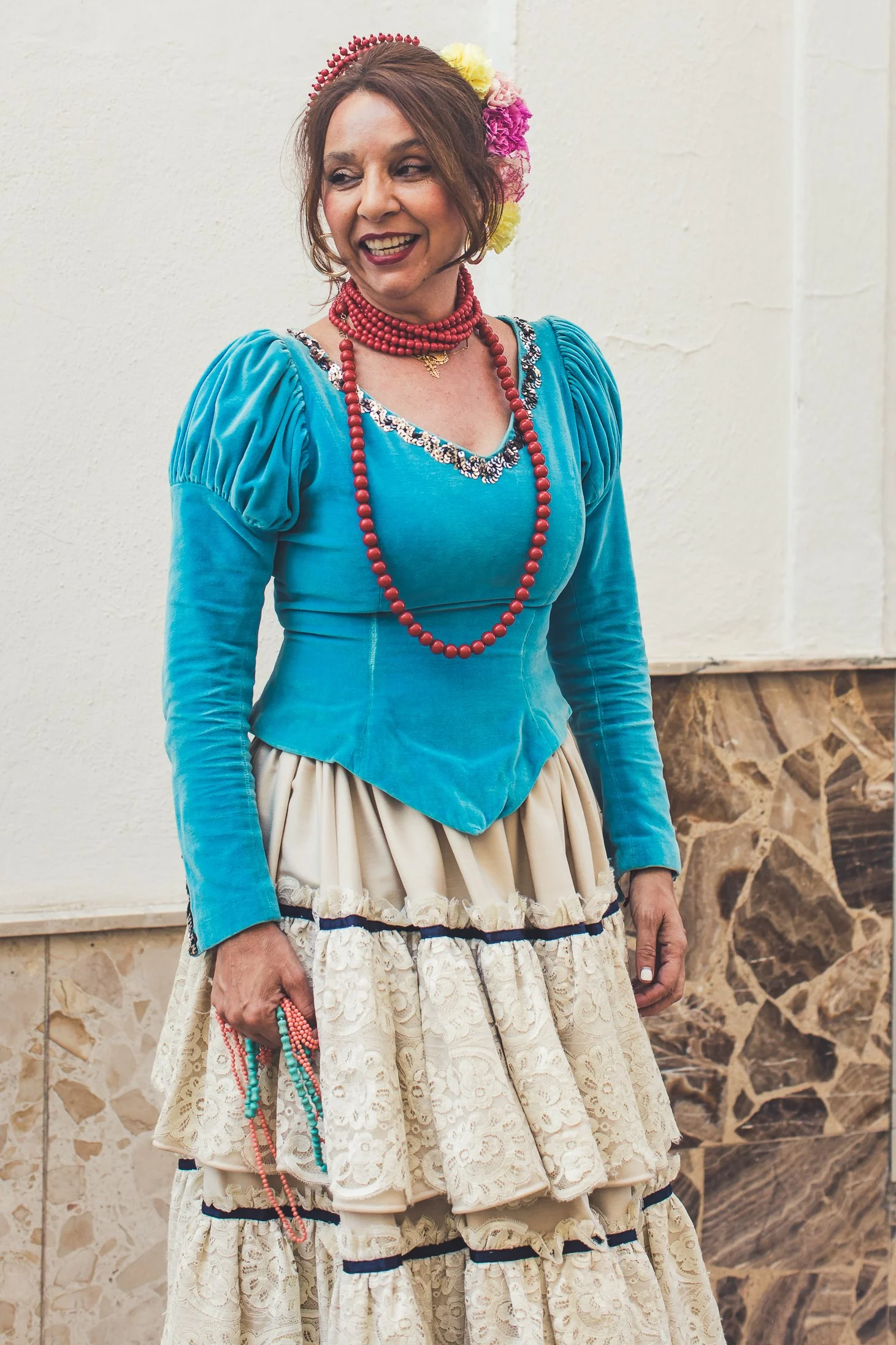
Southern Spain Tour
Landscape & Nature Photography
Green: Lush, vibrant, organic, peaceful, alive.
Blue: Vast, serene, frigid, deep, tranquil.
Yellow/Gold: Warm, inviting, radiant, timeless, nostalgic.
Orange: Changing, cozy, dramatic, warm, transient.
Brown/Earth Tones: Grounded, rugged, rustic, stable, raw.
NZ Photo Tour
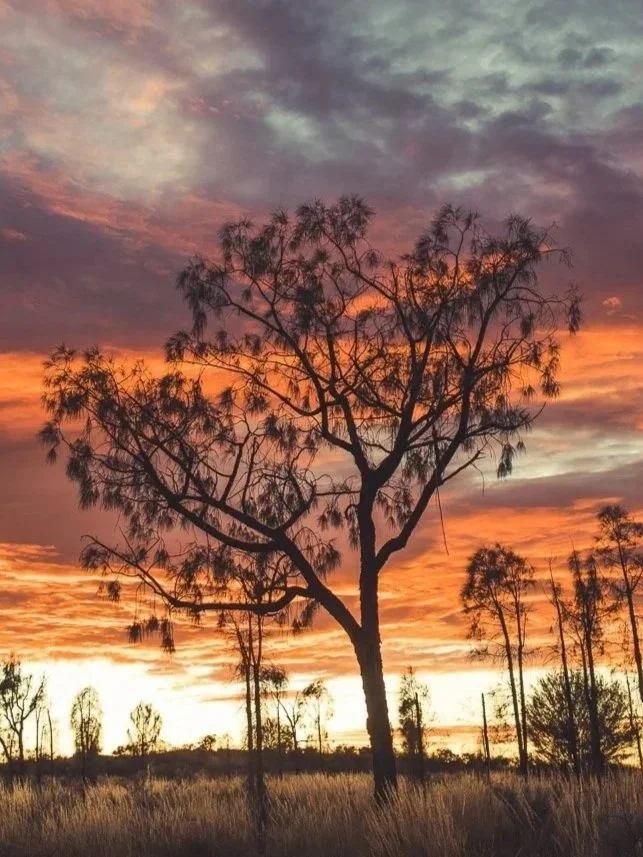
Uluru Photo Tour
Street & Documentary Photography
Red: Urgent, dangerous, vibrant, chaotic, human.
Yellow: Cautionary, gritty, urban, fleeting, alert.
Blue: Isolated, somber, detached, clinical, calm.
Black & White (High Contrast): Raw, honest, timeless, gritty, dramatic.
Muted Tones: Nostalgic, bleak, realistic, historical, quiet.
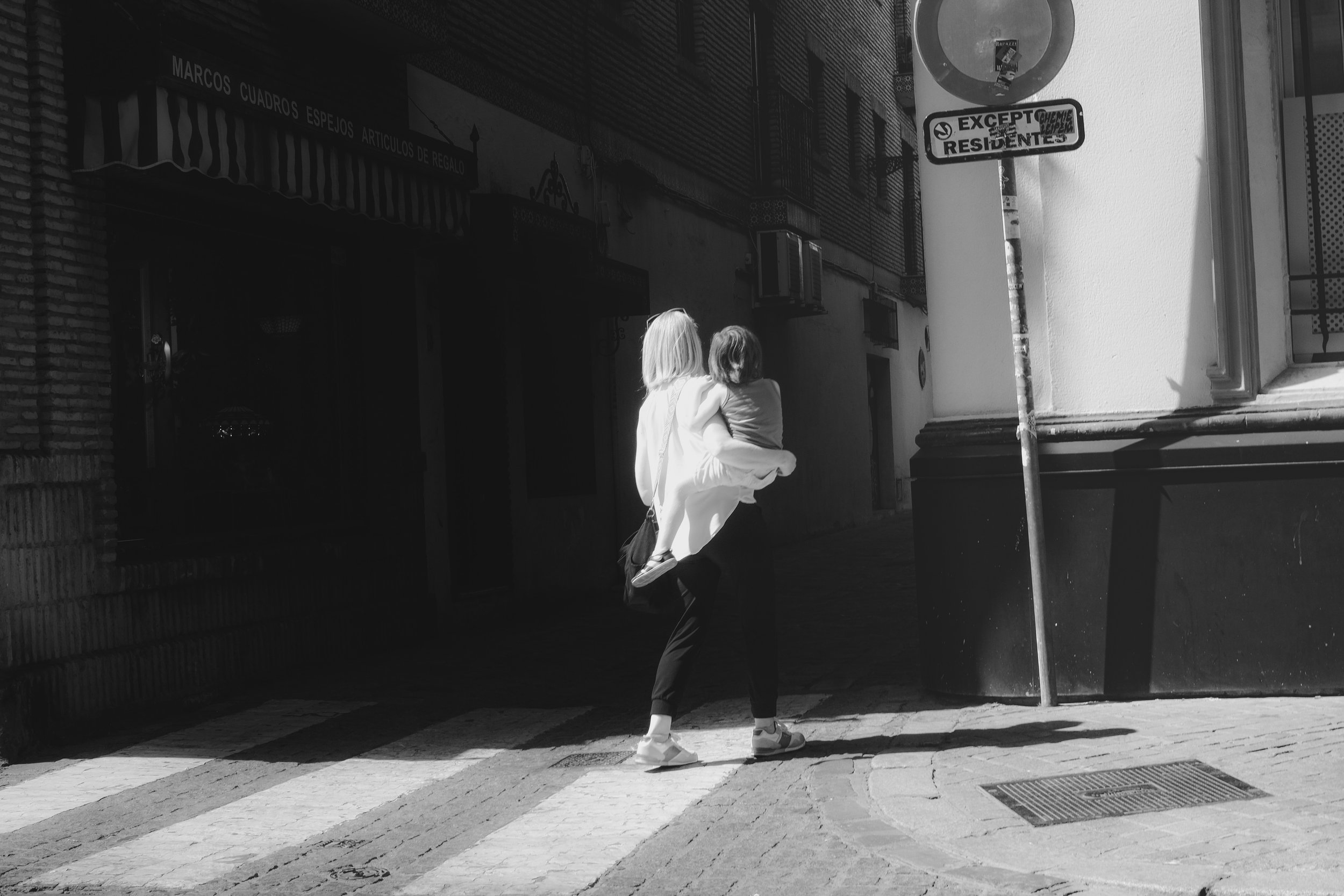
Southern Spain Photo Tour

Philippines Photo Tour
Fine Art & Conceptual Photography
Purple: Subconscious, mystical, spiritual, surreal, elite.
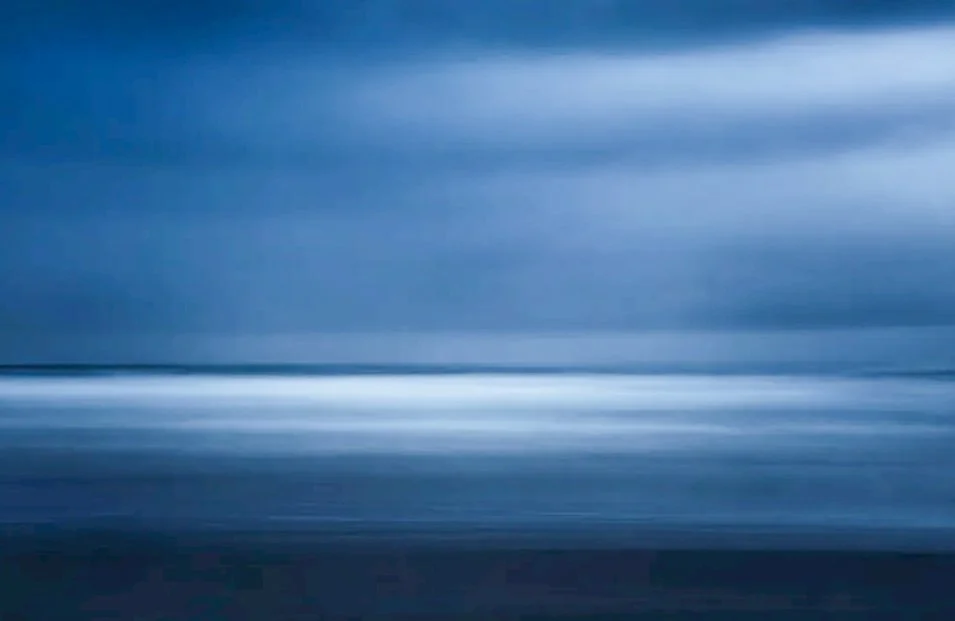
Deep Blue: Introspective, infinite, depressing, profound, quiet.
Crimson Red: Visceral, taboo, intense, emotional, shocking.
White/High-Key: Ethereal, isolated, pure, clinical, minimalist.
Black/Low-Key: Ominous, mysterious, elegant, unknown, heavy.
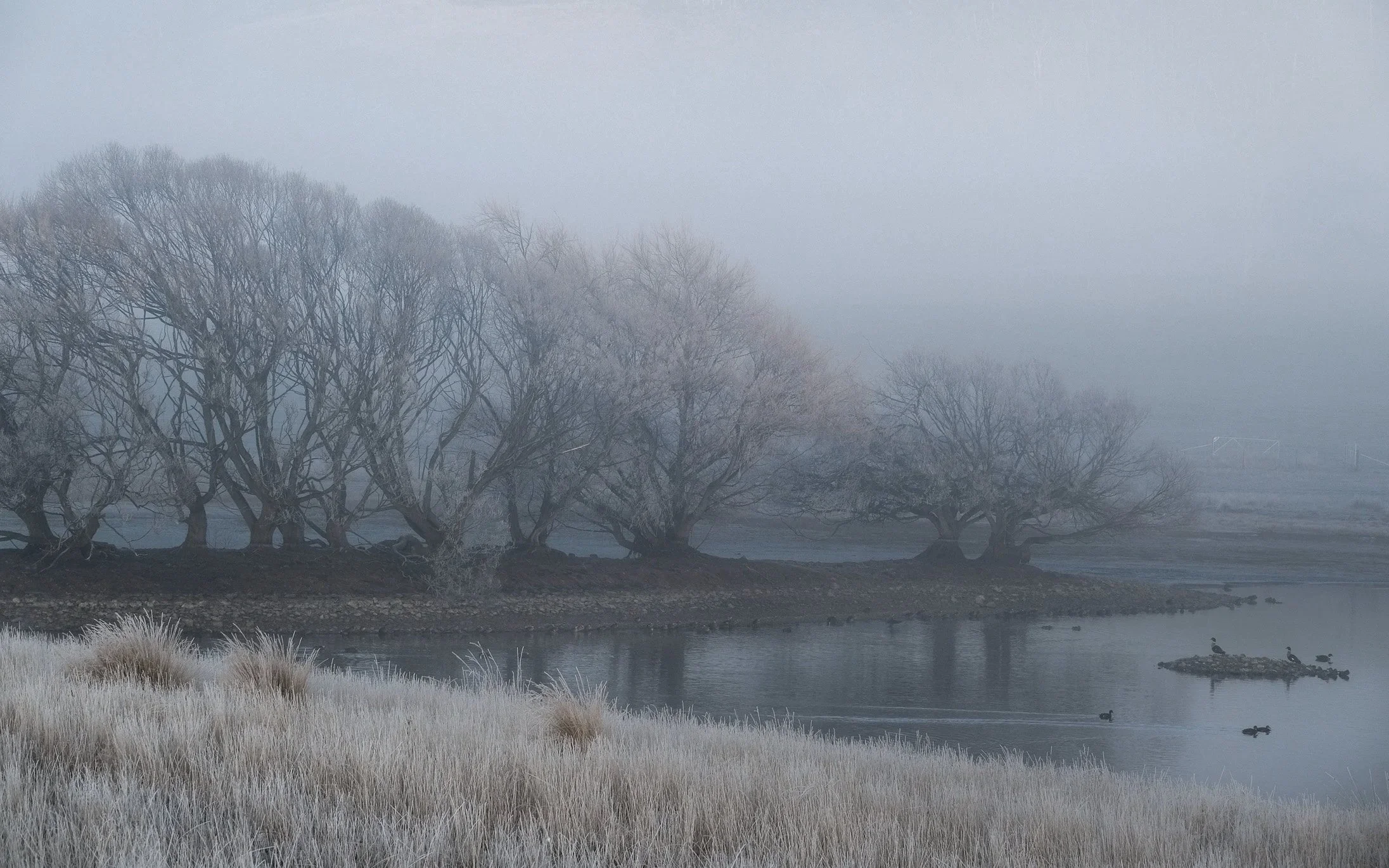
Tasmania Photo Tours
Tasmania Photo Tours
Ten Tips Visual Story Telling
Ten Tips - Story Telling
1. Know your subject: Being passionate about your subject is half the challenge. Your research and feelings will show in the final collection.
New Zealand Photo Tour
NZ Photo Tour

New Zealand Photo Tour
2. By concentrating on a place or event that you love you will capture more than just the look, you will capture the soul.
New Zealand Photo Tour
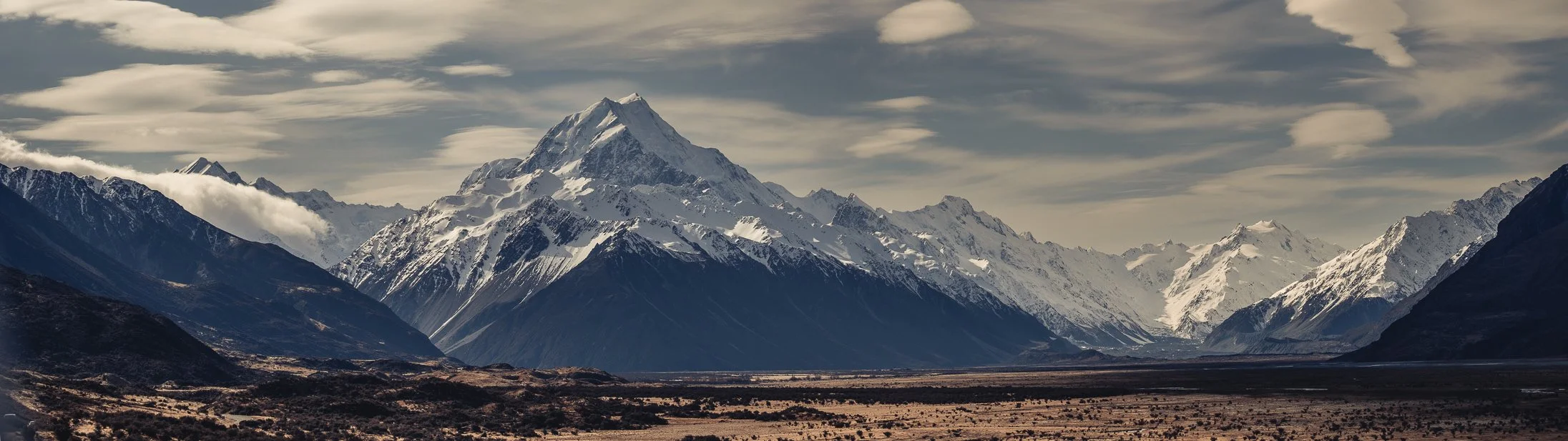
3. Plan what you will shoot and how you want it to look: All stories have a beginning, a middle and an end, and the same goes with a photographic narrative.
New Zealand Photo Tour
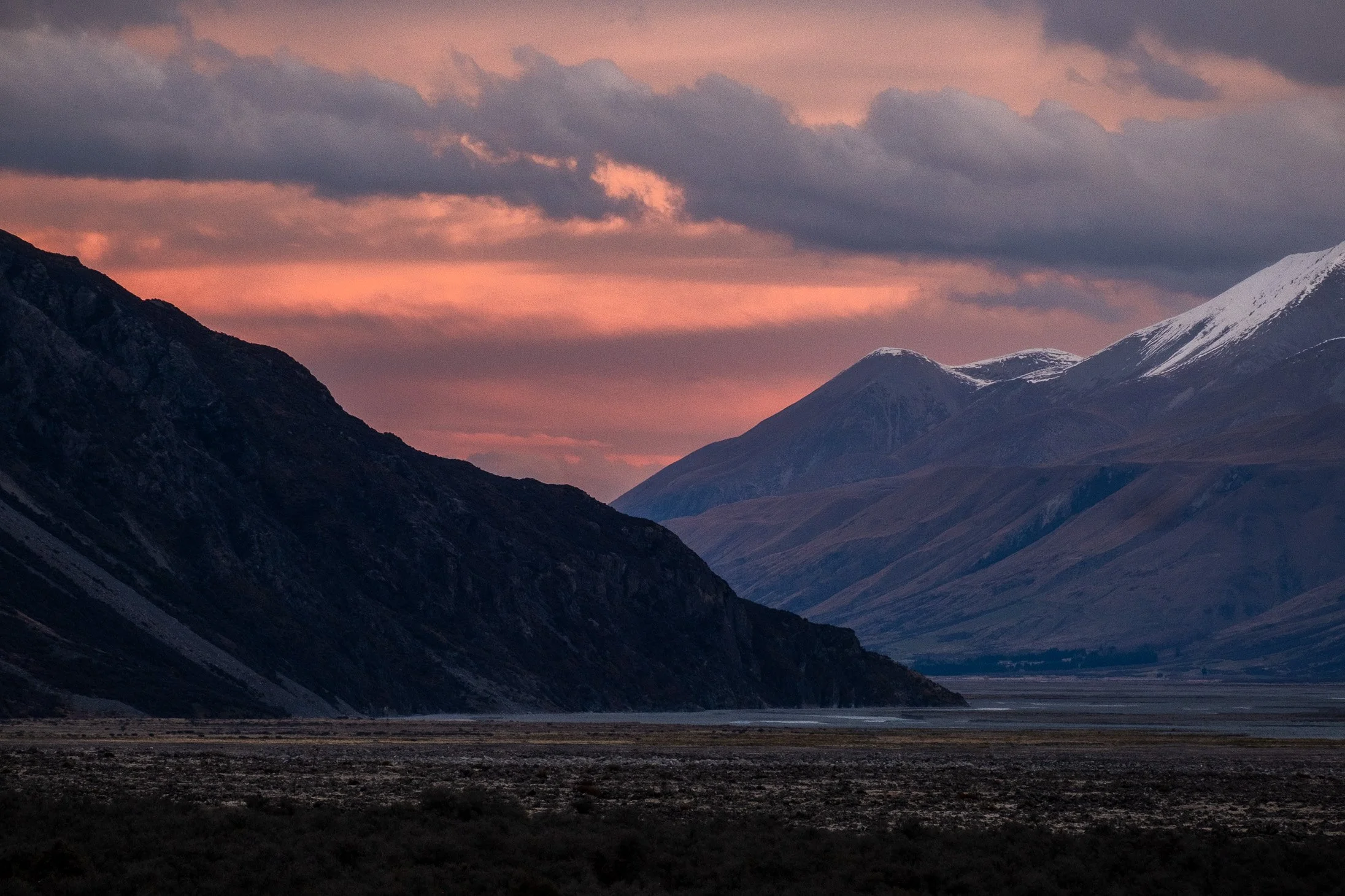
4. Set the scene and create a sense of place. Include wide and detailed shots, but vary your angles, colours and lighting, ensuring they work visually together.
New Zealand Photo Tour
5. In-camera visual effects are much more highly regarded than images that are over-photo shopped. By all means enhance your images to bring out the very best, but be careful not overdo it and ruin a good photo.

New Zealand Photo Tour
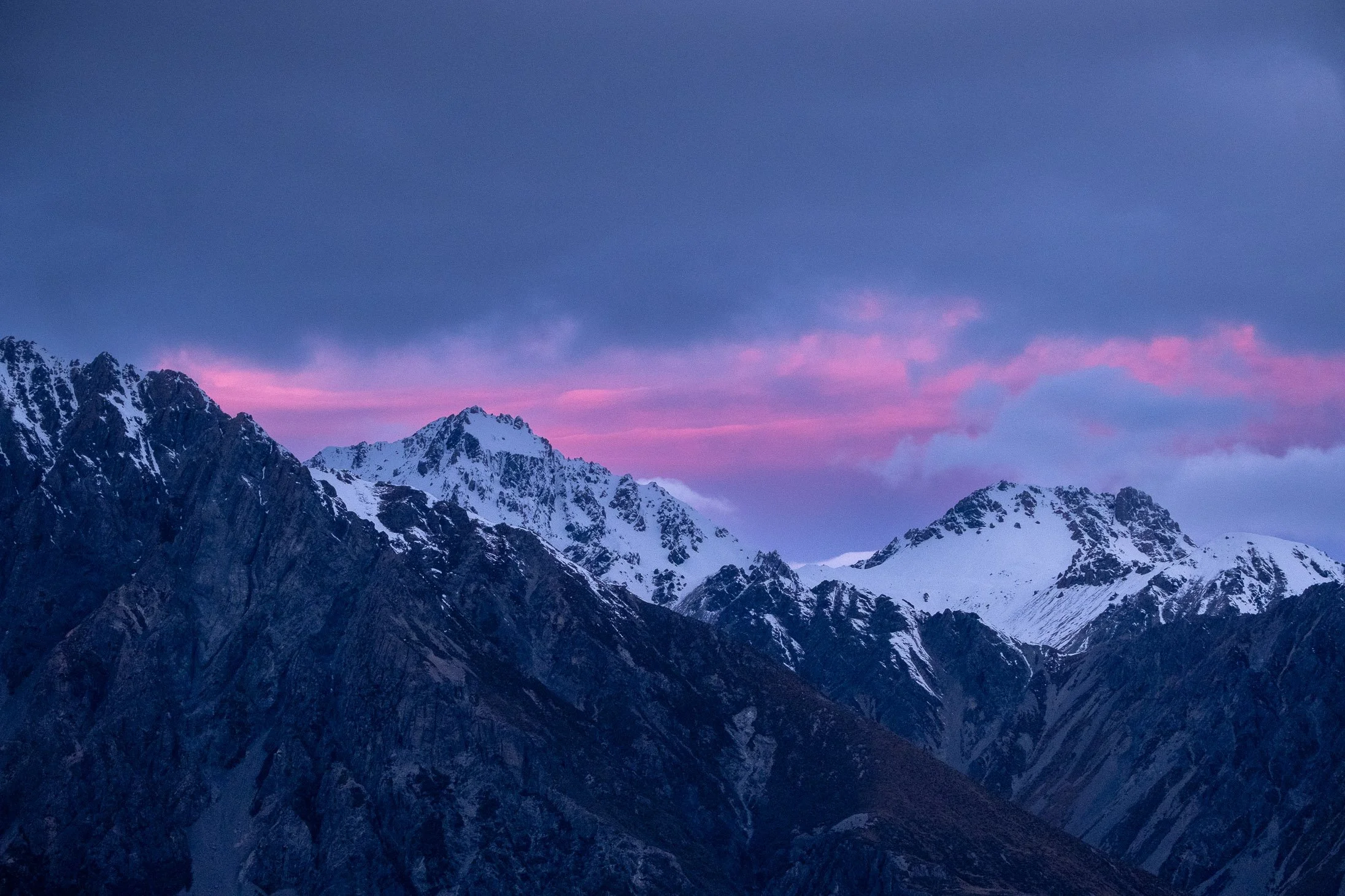
6. Be consistent, but be interesting: Shoot your images only in one colour style or format, for example all images in colour or all in a panoramic format, to provide a consistent look and feel to the collection.
New Zealand Photo Tour
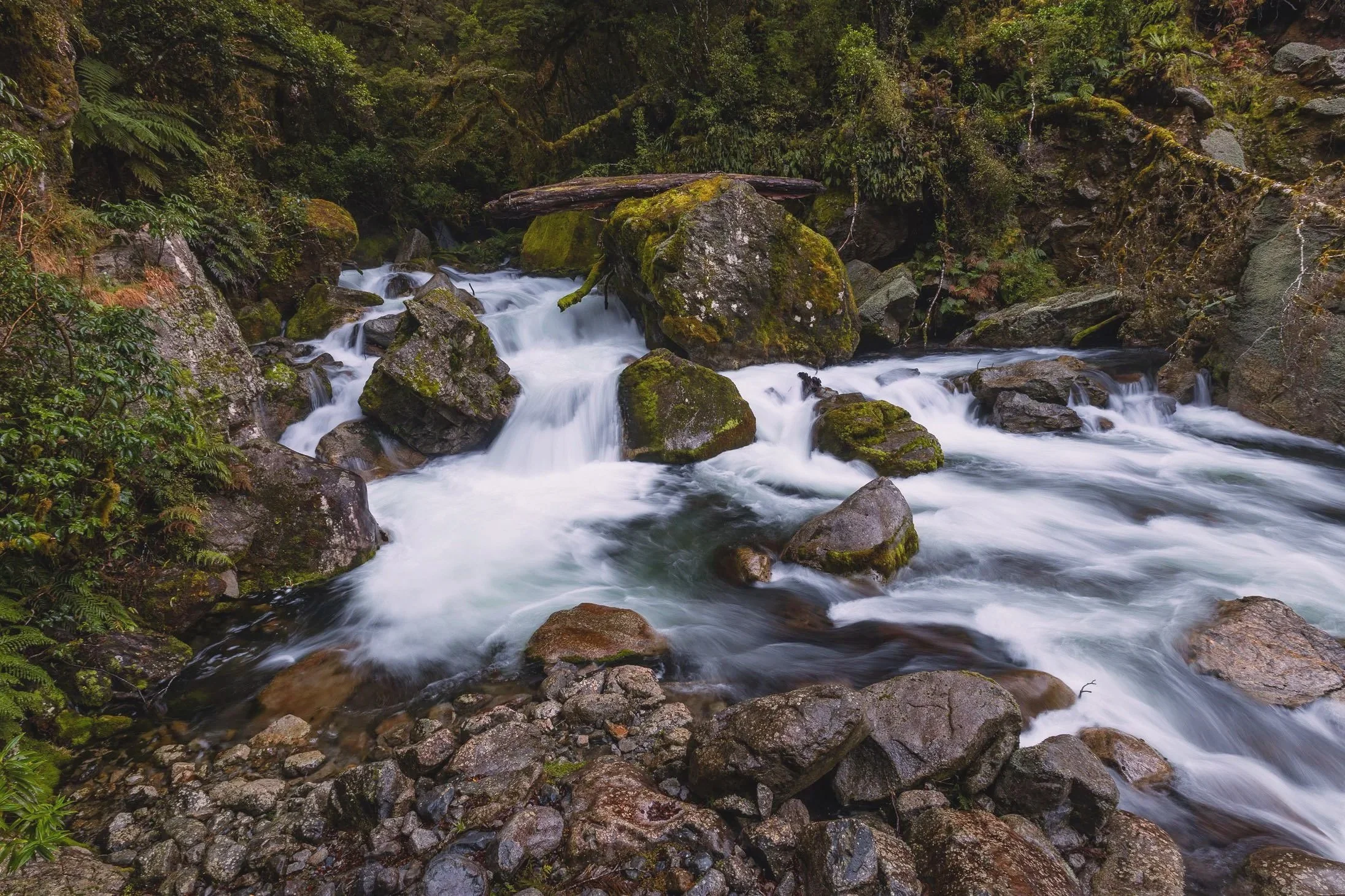
7. Disjointed shoots are jarring visually, and whilst individually the images may be award-winners, they must also all work together in a strong cohesive manner.
New Zealand Photo Tour
8. Edit: Six stunning images that tell the story will have a much stronger overall effect than by watering down your collection.
New Zealand Photo Tour
9. Getting opinions by trusted photojournalists may open your eyes to different views and options.
New Zealand Photo Tour
10. Make a coffee table book this will help you make a clear message and see a whole series of pictures as one big picture.
New Zealand Photo Tour
In conclusion: Print - Prior to making a coffee table book it would be safer to do some small prints. Pin them on your wall or lay them flat on a table. Live with them for a few weeks. Start culling them down. Play with their sequence and see if a narrative unfolds.
New Zealand Photo Tour
New Zealand Photo Tour

Chasing Eagles on the Hokkaido Ice: A Winter Wildlife Photography Guide
Photographing sea eagles on the drift ice of Hokkaido in mid-winter is nothing short of a bucket-list experience. Every February, when the sea ice conditions align, massive Steller’s Sea Eagles and White-tailed Eagles gather off the coast, creating one of the most dramatic wildlife spectacles on the planet.
Photographing sea eagles on the drift ice of Hokkaido in mid-winter is nothing short of a bucket-list experience. Every February, when the sea ice conditions align, massive Steller’s Sea Eagles and White-tailed Eagles gather off the coast, creating one of the most dramatic wildlife spectacles on the planet.

Brown Eagle
Stellar Eagles
If you are planning to embark on this icy adventure, here is how to capture pin-sharp, professional-grade images while surviving the frozen elements.

Hokkaido Photo Tour
1. Mastering Framing & Lens Selection
For Impactful Portraits (200–400mm): To isolate a single eagle against a soft, creamy background, shoot long. A telephoto zoom brings you close enough to fill the frame, while a wide aperture (f/4 or f/5.6) creates a shallow depth of field that strips away background distractions.
For Environmental Context (50–100mm): To tell a story and capture the towering mountains or endless ice fields surrounding the birds, step back with a shorter zoom. Stop down your aperture to around f/11–f/16 to keep both the foreground eagle and the epic backdrop in sharp focus.


2. Camera Settings for Fast Action
Wildlife moves fast, and eagles diving for fish move faster. Capturing sharp flight shots against high-contrast ice requires precise settings:
Freeze the Motion: Set your shutter speed priority or manual mode between 1/1000s and 1/2000s for birds in flight. (Tip: Rested birds need less, but diving eagles need maximum speed to freeze wingtip motion and water splashes).
Lock On with Continuous AF: Use Continuous Focus (C-AF / AI Servo) paired with Bird-Eye Tracking to keep the target pin-sharp through multi-frame bursts.
Leverage Auto ISO: Shooting in Manual mode with Auto ISO lets you lock in your ideal shutter speed and aperture for creative control, while the camera dynamically adjusts to passing clouds or shifting sun angles.
Overexpose for Snow: Snow tricks light meters into making images look gray. Dial in +1.0 to +1.7 EV Exposure Compensation so your whites stay bright and the bird's dark feathers retain detail.
Editing Tip: Don't fear higher ISO settings when pushing high shutter speeds. Modern AI Denoise tools in editing software can easily clean up digital grain without losing fine feather details.


3. Braving the Hokkaido Elements
When shooting from an open boat on sub-zero waters, you are completely at the mercy of the weather gods.
Protect Your Hands: Standard heavy gloves make adjusting dial settings nearly impossible. Opt for photography flip-mittens or thin thermal liner gloves so you can expose just your trigger finger without freezing your hands.
Layer Up: Dress in heavy windproof and waterproof outer layers—ocean breezes on the drift ice cut straight through standard winter wear.
Keep Spare Batteries Warm: Extreme cold drains lithium-ion batteries in minutes. Keep your spare batteries stored in an inner coat pocket close to your body heat until the moment you need them.

Hokkaido Photo Tour
When moving camera gear from cold outdoor air (0°C or -10°C) into warm indoor air (+10°C or +20°C), condensation can damage your electronics and fog internal lens glass.
* Bag it outside: Seal gear in an airtight Ziploc bag before stepping indoors.
* Let it acclimate: Leave it sealed inside for 45–60 minutes until it warms to room temperature.
* Remove memory cards and batteries first: Do this outside if you need quick access.
* Wait to charge: Let cold batteries warm up before plugging them in.
* Never swap lenses while the camera is
cold.

Hokkaido Photo Tour
Ice Kings of Hokkaido: The Winter Warriors of Rausu
Every winter, the coastal town of Rausu on Hokkaido’s Shiretoko Peninsula transforms into a dramatic battleground for thousands of migratory raptors. Driven south by freezing temperatures in Far Eastern Russia, Steller's Sea Eagles and White-tailed Eagles converge on the Nemuro Strait to follow the seasonal drift ice and feast on abundant winter fish.


The Drift Ice Convergence: Thousands of Steller’s Sea Eagles and White-tailed Eagles migrate from Russia to Hokkaido every winter, using moving sea ice as hunting platforms.

Hokkaido Photo Tour
Boat-Chasing Diners: Both species are highly habituated to humans, routinely swarming local fishing and tourist boats for easy meals of discarded fish.
Intense Aerial Dogfights: The harbor becomes a loud, chaotic battlefield filled with dramatic mid-air skirmishes and piercing, "dinosaur-like" calls as they fight over food.
Blizzard Survival Tactics: When severe storms freeze the coast, these rivals retreat inland to huddle together for warmth and shift to hunting land targets like Ezo deer.
March Departure: This dramatic winter spectacle wraps up in early March as the sea ice recedes and the raptors head back north.

Views of Shiretoko Peninsula in the distance
Why Dig Through Your Photo Archives?
Digging through your photo archives—what photographers often call a "photo dig" or personal retrospective— is one of the most transformative exercises you can do for your craft.
Digging through your photo archives—what photographers often call a "photo dig" or personal retrospective— is one of the most transformative exercises you can do for your craft.

Japan in autumn
While shooting builds muscle memory, reviewing your history is where self-awareness happens. Looking for common threads in your visual messaging and composition acts as a mirror, translating sub-conscious instincts into a deliberate visual voice.

Fall Colors
Why Digging Through Your Work Matters
It bridges sub-conscious instinct and conscious intent. When you are out shooting, you act on impulse. You step left, tilt the camera, or wait for light because it feels right. Digging through your catalogue reveals those split-second decisions pattern-by-pattern. When you recognize that you constantly frame subjects through geometry or rely on high-contrast shadows, it ceases to be an accident—it becomes a tool you can deploy on purpose.

Tohoku Japan
It decouples your style from subject matter. A signature style isn't what you shoot; it's how you see. Digging reveals how you approach a chaotic street scene, a landscape, or an everyday household object using the exact same visual vocabulary (e.g., negative space, low angles, or warm highlights).

Refelctions of Autumn on Water Ripples
It reveals visual repetition vs. visual signature. A deep dive helps you distinguish between a temporary phase and an enduring visual obsession. A phase is something you tried for a month; a signature is an element that consistently surfaced three years ago, last year, and yesterday.

Refelctions of Autumn on Water Ripples
How Pattern-Hunting Distills Your Visual Voice
Compositional Motifs (e.g., leading lines, heavy negative space, rule-of-thirds)
Your Structural Thinking: Shows how you like to organize chaos. It reveals whether your voice is minimal and structured, or complex and layered. |

Tohoku
Visual Messaging & Themes (e.g., isolation, nostalgia, urban geometry, intimacy)
Your Worldview: Highlights the emotional core of your work. It answers: What story do I naturally care about telling?

Tohoku
Color & Light Choices (e.g., harsh shadows, muted palettes, high contrast)
Your Tonal Energy: Defines the mood of your imagery before a viewer even processes the subject matter.

Cradle Mt.
3 Steps to Run an Effective "Photo Dig"
1. The Pure Intuition Pull: Select 50–100 of your favourite images spanning the last 1–3 years without overthinking. Do not choose based on technical sharpness—choose what grabs your eye.

Arthurs Lake
2. The Micro-Grid Test: View them all at once as small thumbnails on a grid. Squint your eyes. What shapes, color masses, or framing patterns jump out across the entire collection? Stand back and look at your monitor from a fair distance.

Cradle Mt
3. The "Three-Word" Rule: Look at the visual threads you've identified and force yourself to summarize your recurring style into three core descriptors (e.g., Graphic, Quiet, High-Contrast).

Arthur’s Lake
By regularly digging into your archive, you stop chasing external trends and start refining your internal compass.

Quick Color Cast Fix (Photoshop)
When shooting around Sydney Harbour at night, mixing natural light—like twilight at sunset or dusk—with artificial city lights can overwhelm your camera's auto white balance. This often results in heavy blue or purple color casts, as seen in the sample image.
When shooting around Sydney Harbour at night, mixing natural light—like twilight at sunset or dusk—with artificial city lights can overwhelm your camera's auto white balance. This often results in heavy blue or purple color casts, as seen in the sample image. Manually adjusting your white balance neutralizes those competing color temperatures, restoring natural tones to both the sky and the city skyline. Of course if you prefer the color cast you can leave as is.
Before

After
6 Simple Steps
Open the image in photoshop and make a duplicate layer
Add a Filiter - Blur Average
Add a Curves Adjustment Layer
Use the Mid-Tone Picker and click on image
Turn off the duplicate layer with the blur average
Flatten layers abd save.
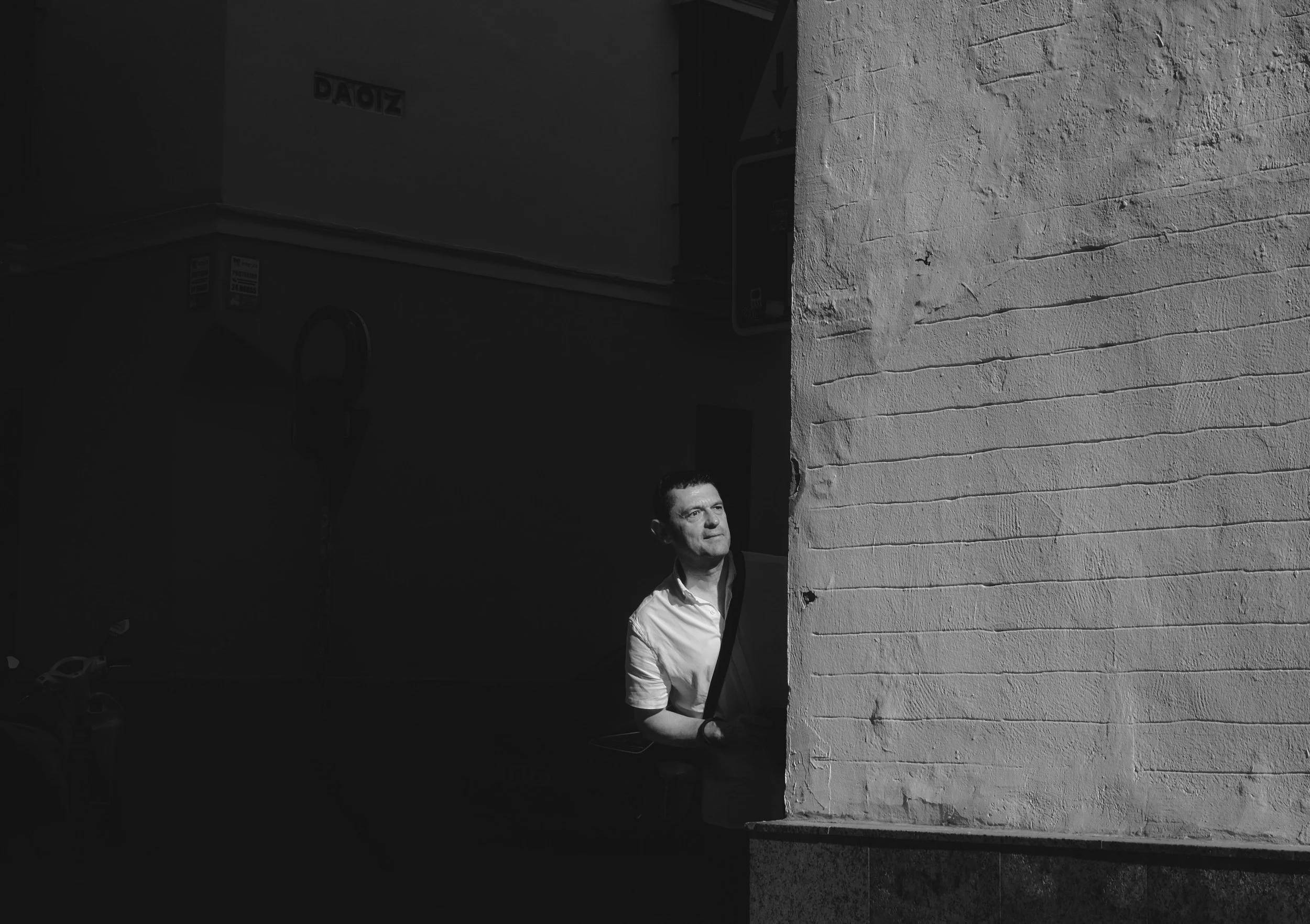
What is Chiaroscuro in Street Photography
Chiaroscuro in photography is an artistic technique that uses strong contrasts between light and dark to sculpt subjects, create a three-dimensional sense of volume, and evoke deep emotion.
Chiaroscuro in photography is an artistic technique that uses strong contrasts between light and dark to sculpt subjects, create a three-dimensional sense of volume, and evoke deep emotion.
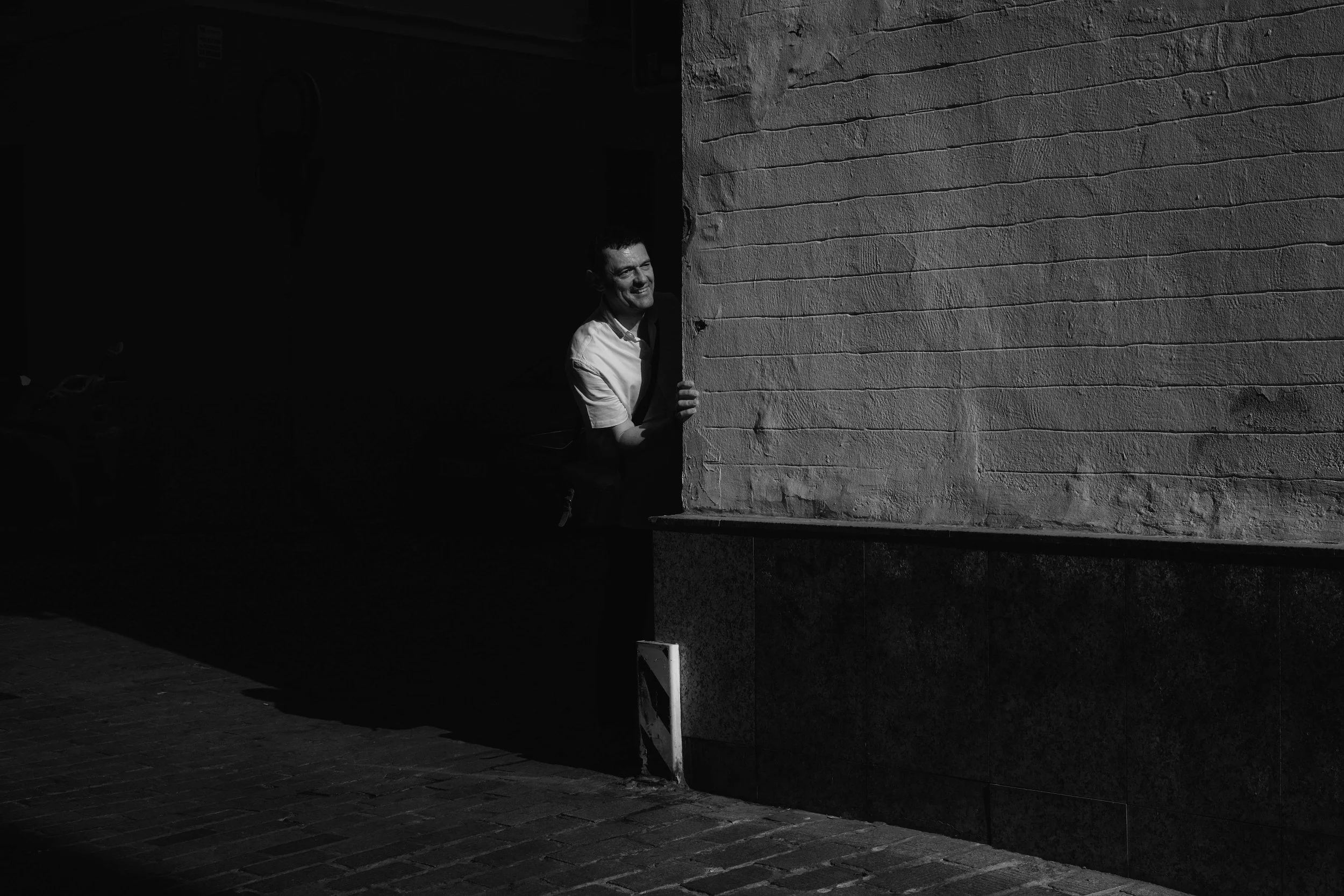
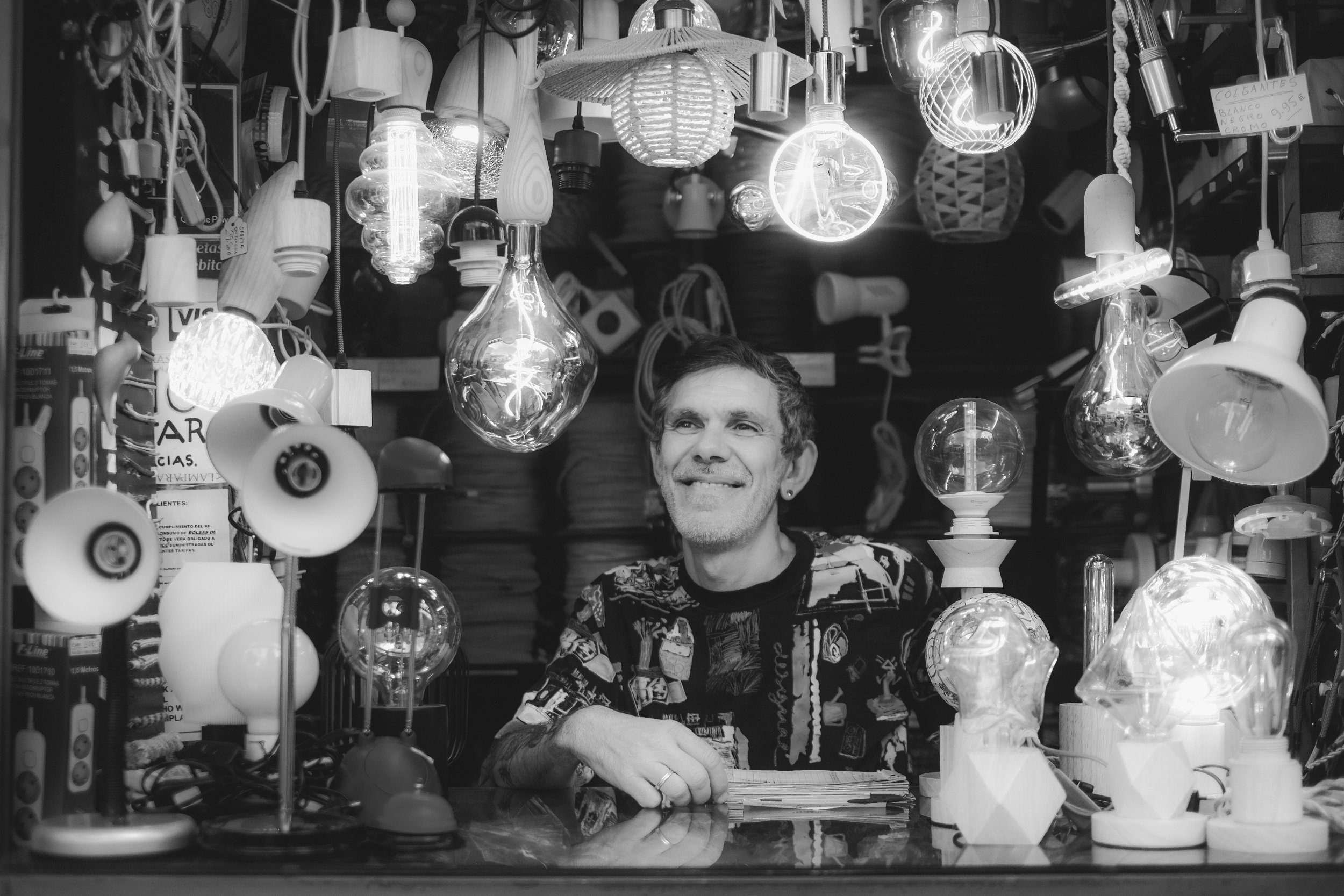
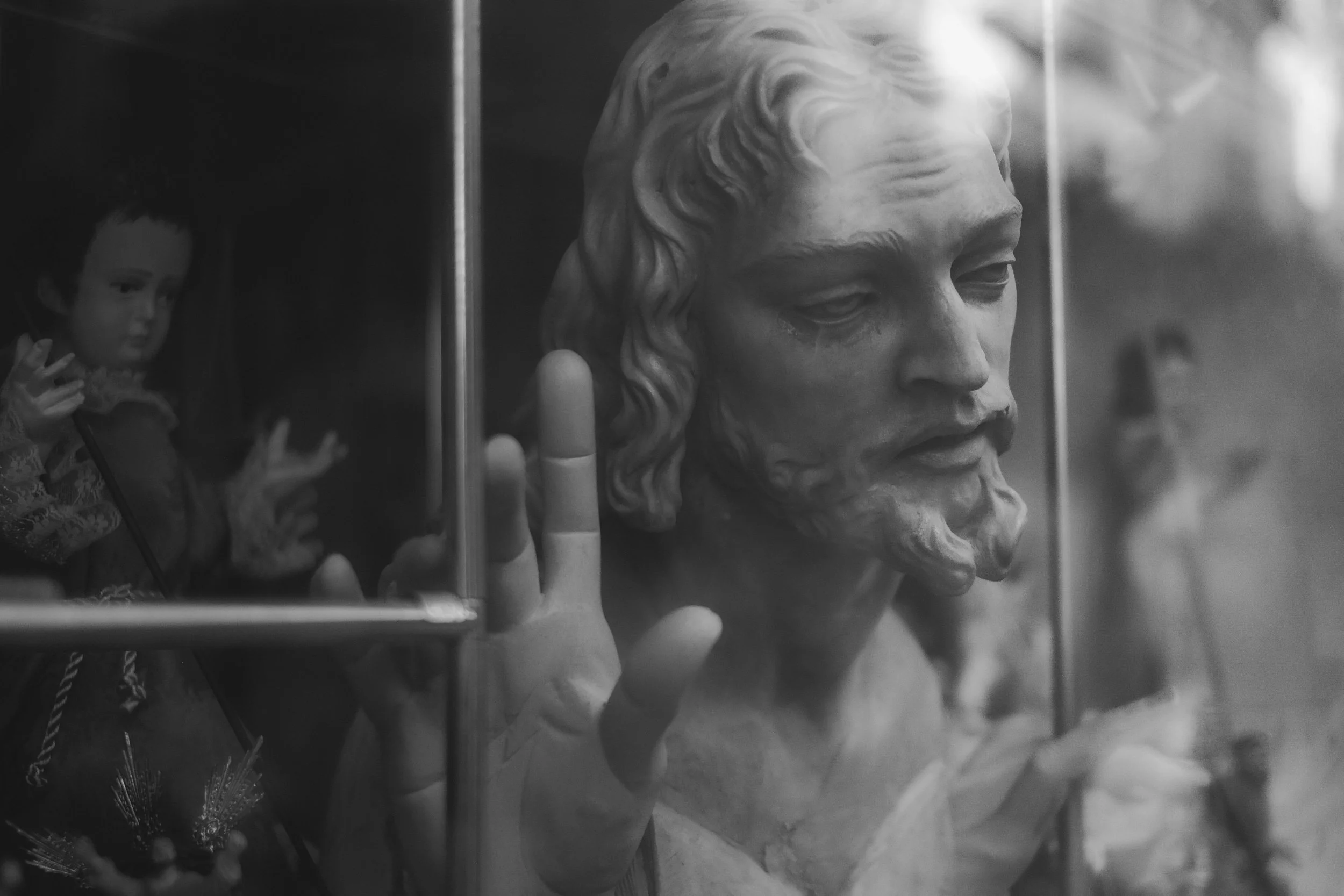
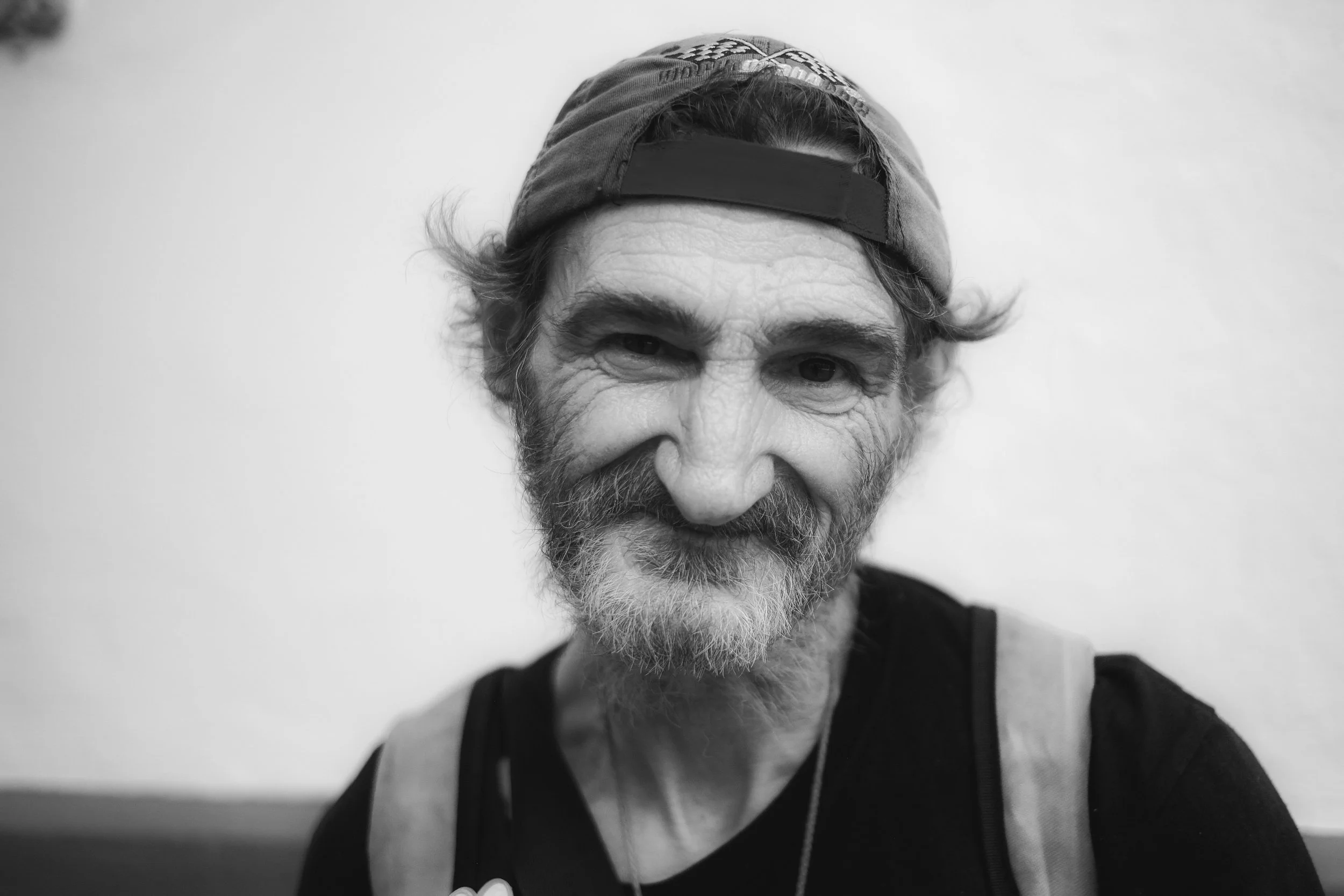
Sevilla Street Portraits
On a recent trip in Sevilla, Spain I had the pleasure of finally meeting my long time Instagram friend. He has exactly the same first and last name as me. He also loves Street photography so he took us around for a photo walk. We had a blast focusing on Chiaroscuro.
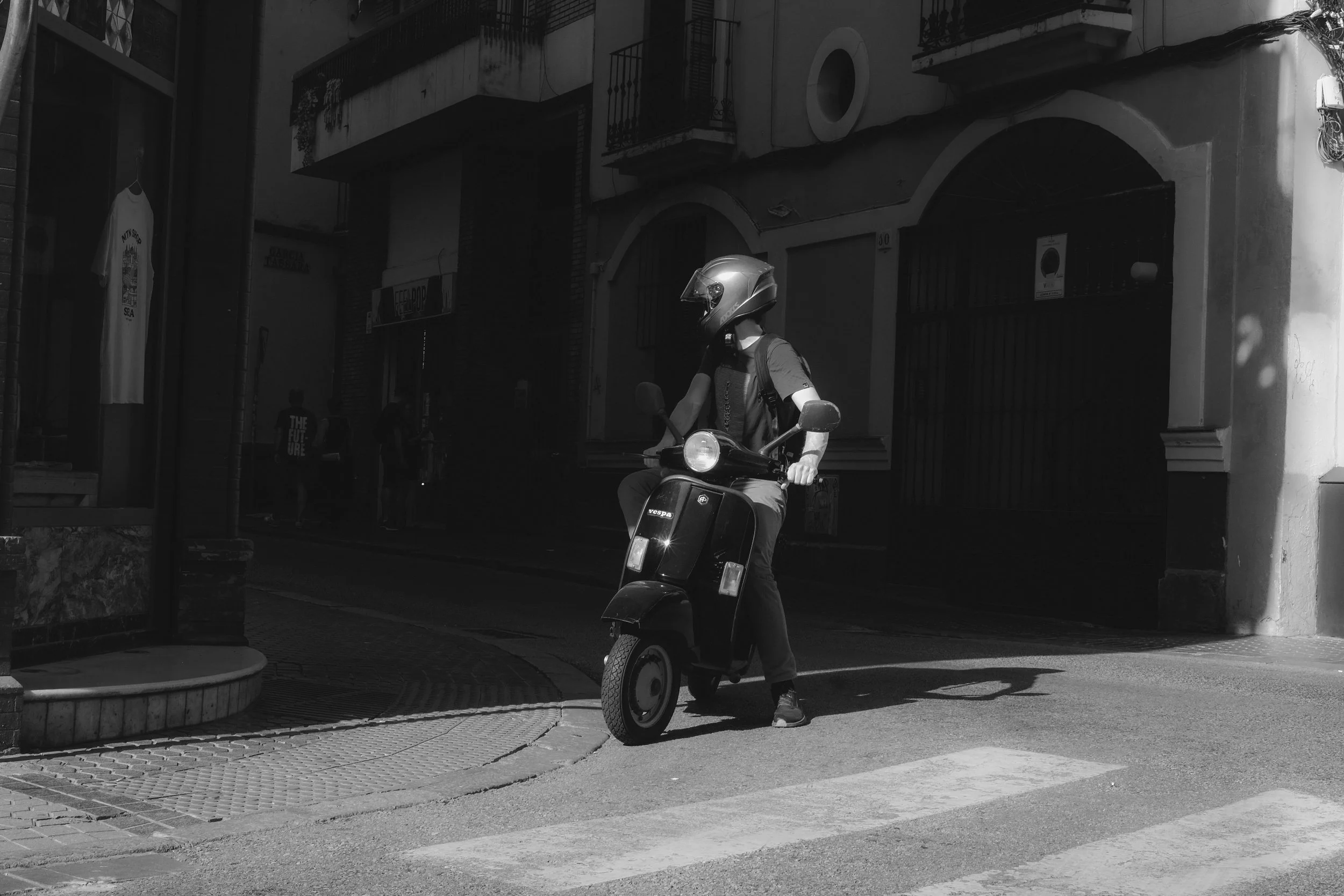
Sevilla Street Portraits
Borrowed from Renaissance painters like Caravaggio and Rembrandt, it relies on a dramatic interplay of bright highlights and deep, rich shadows.
Core Characteristics High Contrast: Strong separation between the brightly lit parts of the subject and the heavy shadows.
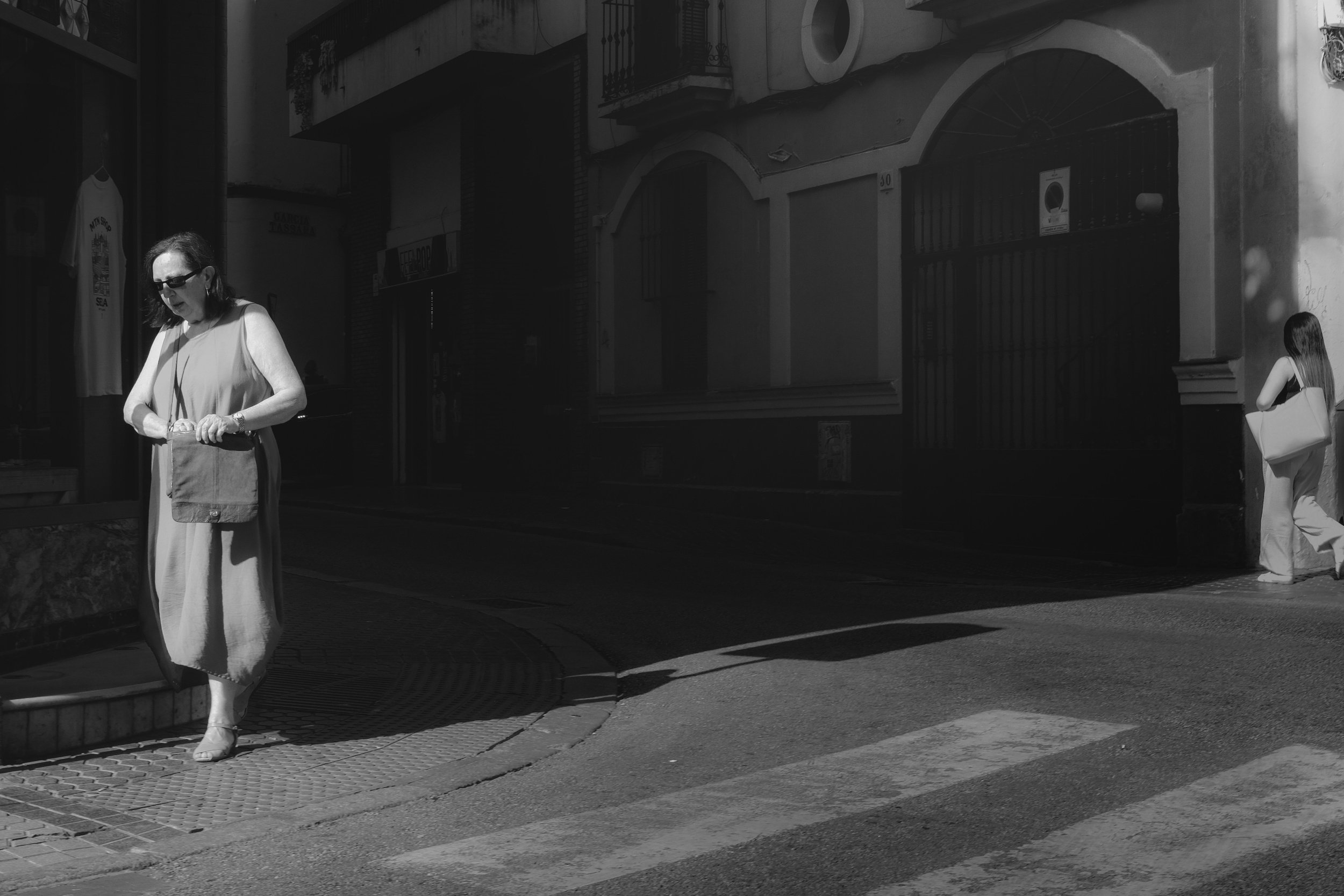
Sevilla Street Portraits
Executing chiaroscuro in street photography using only natural light requires finding urban architecture that acts as a natural modifier to slice, direct, and funnel sunlight. Instead of bringing lights to your subject, you find the light first and wait for subjects to step into it.
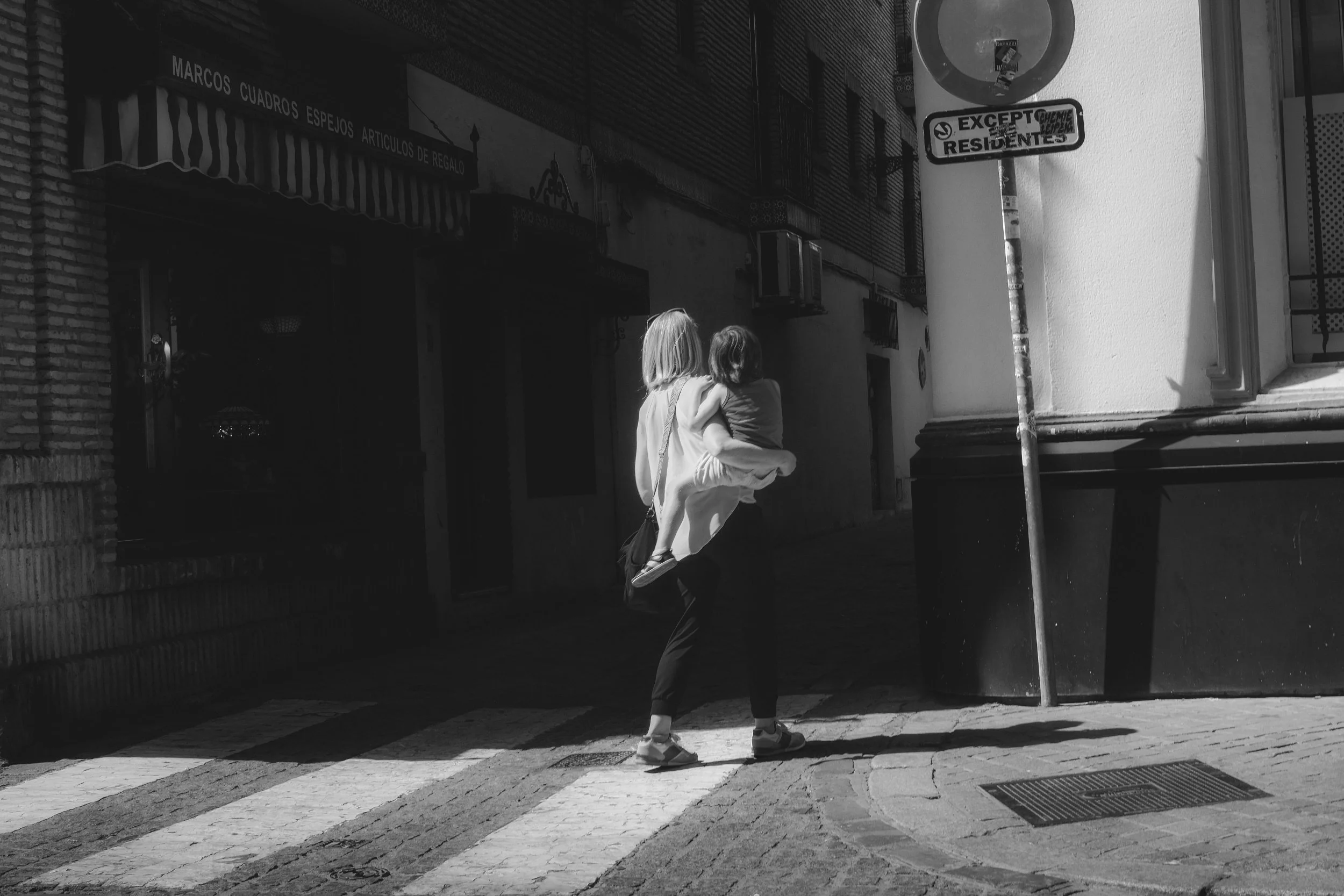
Sevilla Street Portraits
Key Environmental Conditions
To achieve true dark-light contrast on the street without flash, hunt for these four structural conditions:
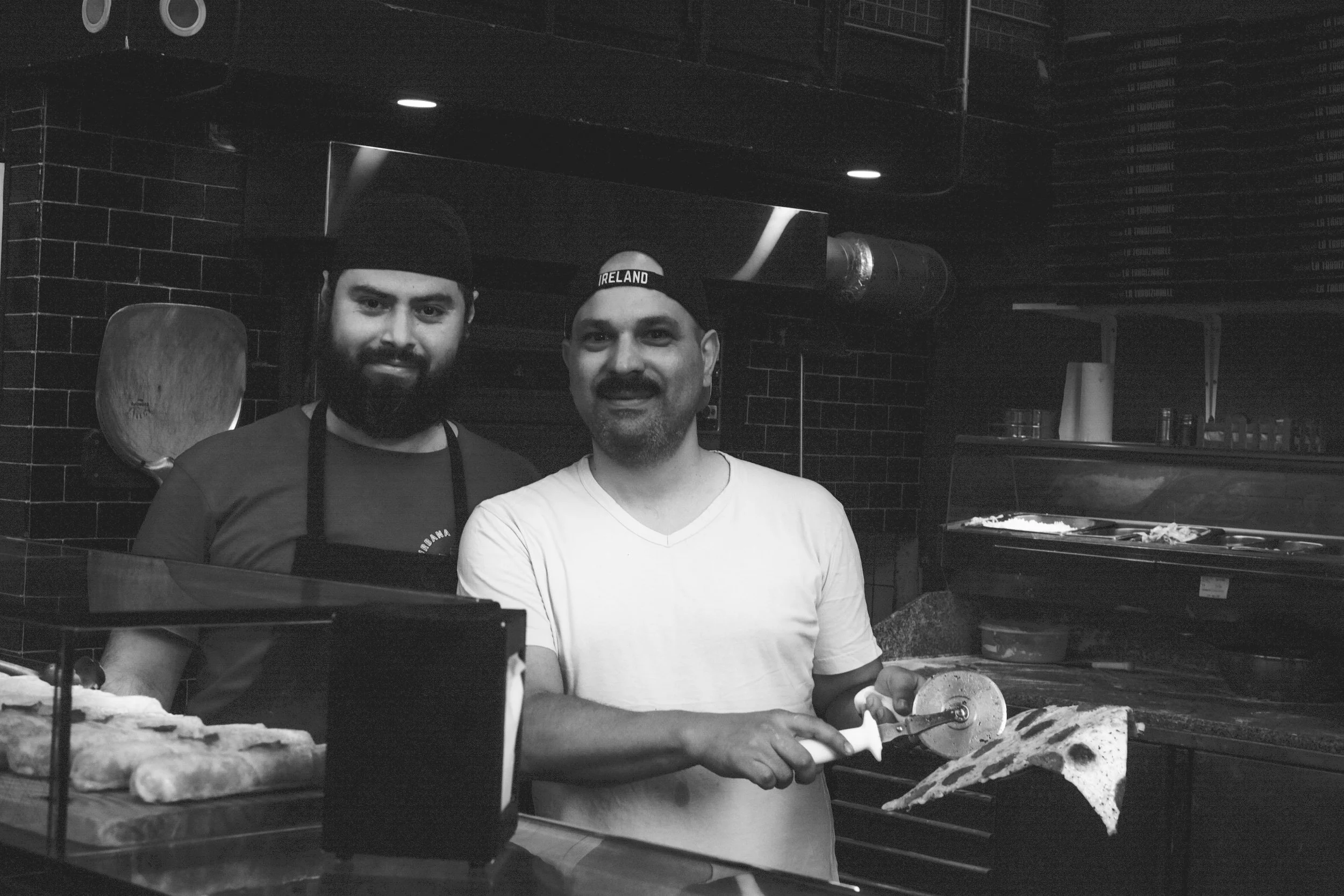
Sevilla Street Portraits
1.Light Pockets (Urban Canyons): High-rise buildings, narrow alleyways, or underpasses create narrow shafts of harsh direct light surrounded by deep shade.
Sevilla Street Portraits
2. Hard Sunlight Angles: Shoot during early morning or late afternoon (golden hour) when the sun is low, casting long, dramatic shadows across streets and walls.
Sevilla Street Portraits
3. Architectural Cutouts: Look for archways, covered arcades, stairwells, or gaps between buildings that funnel light onto small patches of ground.
Sevilla Street Portraits
4. Subtractive Foreground Elements: Position yourself in a dark covered space (like inside a dark shopfront or under a bridge) looking out toward a sunlit patch of street.
Sevilla Street Portraits
In Conclusion simply under expose so you can darken the shadows. Simply wait like your fishing for a subject to come into the light. Thanks Alfonso Calero from Sevilla, Spain. Hasta pronto nos vemos tokayo. You can follow his beautiful work on Instagram. https://www.instagram.com/kalerorelak

Copenhagen's 5 Best Photo Locations
If you have never been to Copenhagen in Denmark, I highly recommend going in summer. All the locals are out enjoying the sun and heat. This 3 hour photo walk is only an introduction to the most common places you must visit. Bicycles are also a great alternative to walking if you wish to cover more area quickly.
Copenhagen's 5 Best Photo Locations

If you have never been to Copenhagen in Denmark, I highly recommend going in summer. All the locals are out enjoying the sun and heat. This 3 hour photo walk is only an introduction to the most common places you must visit. Bicycles are also a great alternative to walking if you wish to cover more area quickly. Canal tours can also give you a very different perspective from the water. Whatever your means of getting around you will enjoy the flatness of most roads and cleanliness in this very neat city.

Nyhavn Erhvervsforening
Google Map Route: takes about an hour if you don't stop. I would suggest going off track from time to time if your eye catches something down a side street. If you time it properly a walk from the golden hours would be most suitable. Bring a tripod if you need to get some quality shots along the path.

1. Fredericks Church & Amalienborg Palace
Being an Australian I wanted to see where Princess Mary lives. She is originally from Hobart, Tasmania in Australia so it seemed like a good spot to start my walk. Unlike Buckingham Palace in London there are no walls or fences. You can freely walk around the facade of all the buildings and take photos of the guards. Fredericks Church popularly known as The Marble Church for its rococo architecture, is an Evangelical Lutheran Church. The awe inspiring Marble Church with the characteristic copper green dome has to be one of the most impressive churches of the city.

Fredericks Church

Royal Palace Guard Coat


Navy Ship behind Royal Palace
2. Nyhavn
Bright historic canal front filled with historic townhouses and restaurants. This is the tourist hub where you can have the obligatory Danish hotdog at a food stall. Make sure to order all the topings. Facing west along the canal you catch a nice sunset if you are lucky. Voted the ‘Best city for cyclists’ and the ‘World’s most liveable city’. The Danes are well known for their love of cycling and cities all around the world are now looking at ways to copy this phenomenon. It really is biking heaven for the cyclist in Copenhagen with over 390 kilometres of designated bike lanes.


3. Royal Danish Library - Black Diamond
The Black Diamond in Copenhagen was finished in 1999 and is an extension to the Royal Library. The building is shiny, black facets mirror the sea and the sky at the harbour front. The interior from the top floor looking down the escalators looks like a guitar.
A large incision cleaves the building into two formations and gives light to the atrium inside. The atrium connects the city with the sea outside as well as the old and new library buildings. The glass facade is held by iron girders weighing approximately one metric tonne per metre.


4. Church of Our Saviour - Vor Frelsers Kirke
Baroque edifice with a corkscrew spire, 17th-century place of worship with a carillon & 400 steps around the outside of the spire. On a clear day you can get some spectacular views of the city. Of all the religions in Denmark, the most prominent is Christianity in the form of the Evangelical Lutheran Church of Denmark. A stroll along the narrow canals nearby will give you some insight as to how the Danes live on houseboats.


5. Christiansborg Palace
Located on the tiny island of Slotsholmen, contains the Danish Parliament Folketinget, the Supreme Court, and the Ministry of State. Parts of the palace are used by the Royal Family for various functions and events. The Royal Reception Rooms include The Tower Room and The Oval Throne Room where foreign ambassadors to Denmark are received by the Queen. The Throne Room gives access to the balcony where the Danish monarchs are proclaimed.


On your walk back from here to Copenhagen Train Station you can also stop at the Town Hall & Tivoli Amusement Park. The park opened on 15 August 1843 and is the second-oldest operating amusement park in the world, after Dyrehavsbakken in nearby Klampenborg, also in Denmark. Do you have any other suggestions to add to this photo walk within the city of Copenhagen?


The Dragon Statue in front of Town Hall is a popular spot for Chinese Tourists.

Adelaide's 5 Best Photo Locations
Adelaide city centre features a rich mix of historic heritage buildings, green parklands, and modern urban architecture ideal for photography.
Adelaide city centre features a rich mix of historic heritage buildings, green parklands, and modern urban architecture ideal for photography.
Adelaide Parklands - Torrens River
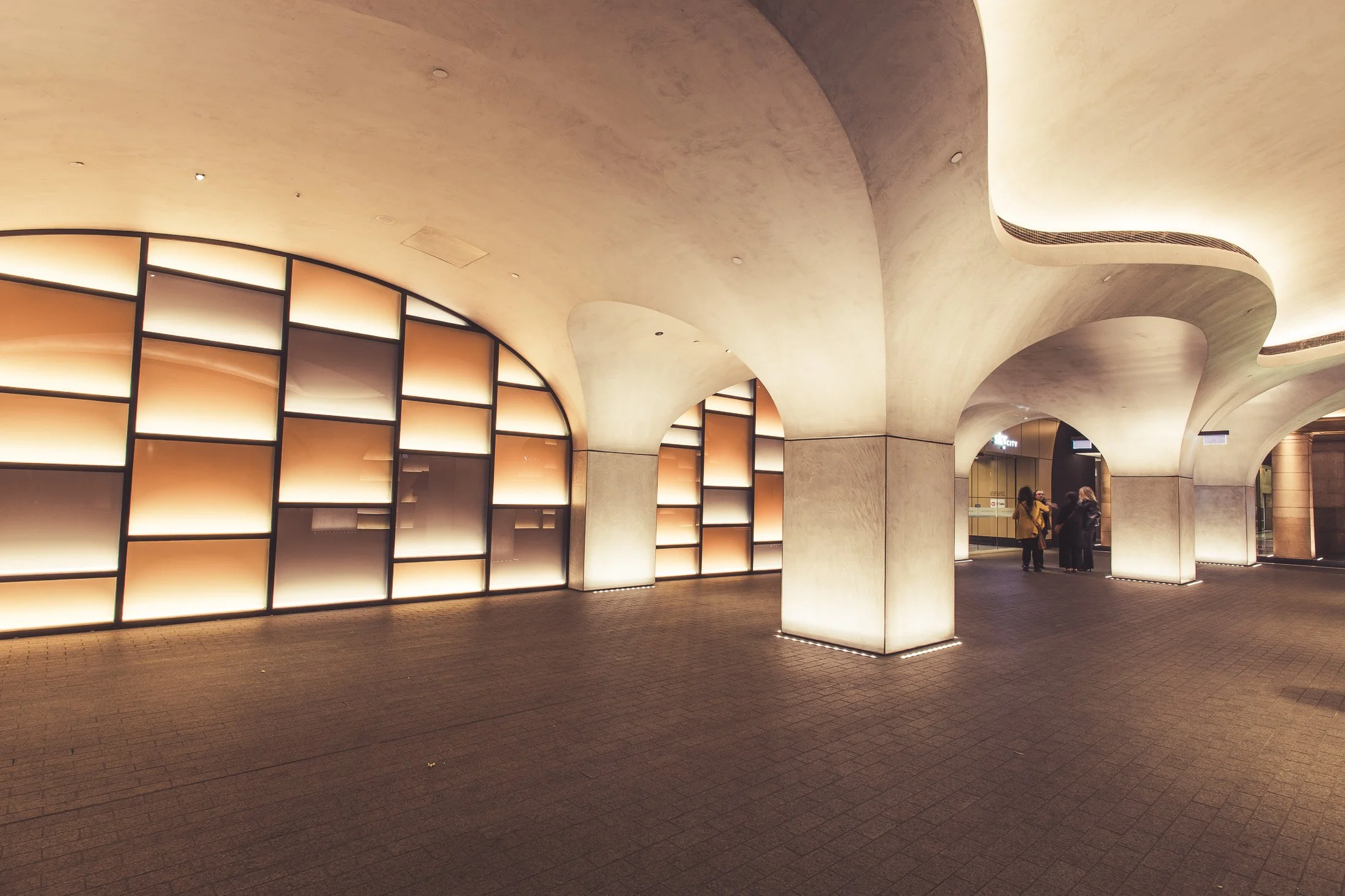
1 & 2 Adelaide Railway Station & Parklands
Adelaide Railway Station has undergone a comprehensive program of restoration and renewal since 2019, preserving the stations historic character while improving accessibility, amenity and visitor experience.
Adelaide Railway Station
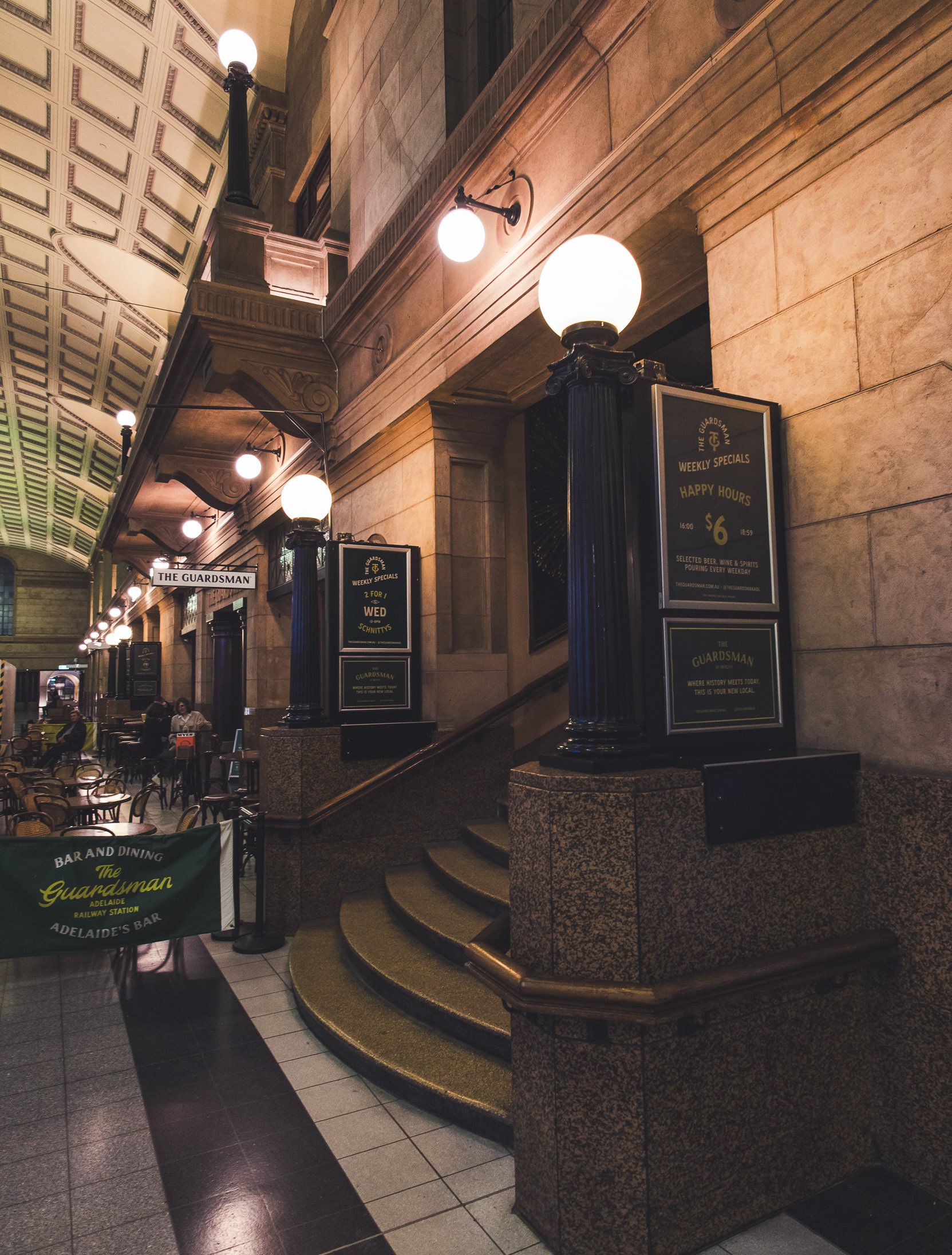
Adelaide Railway Station
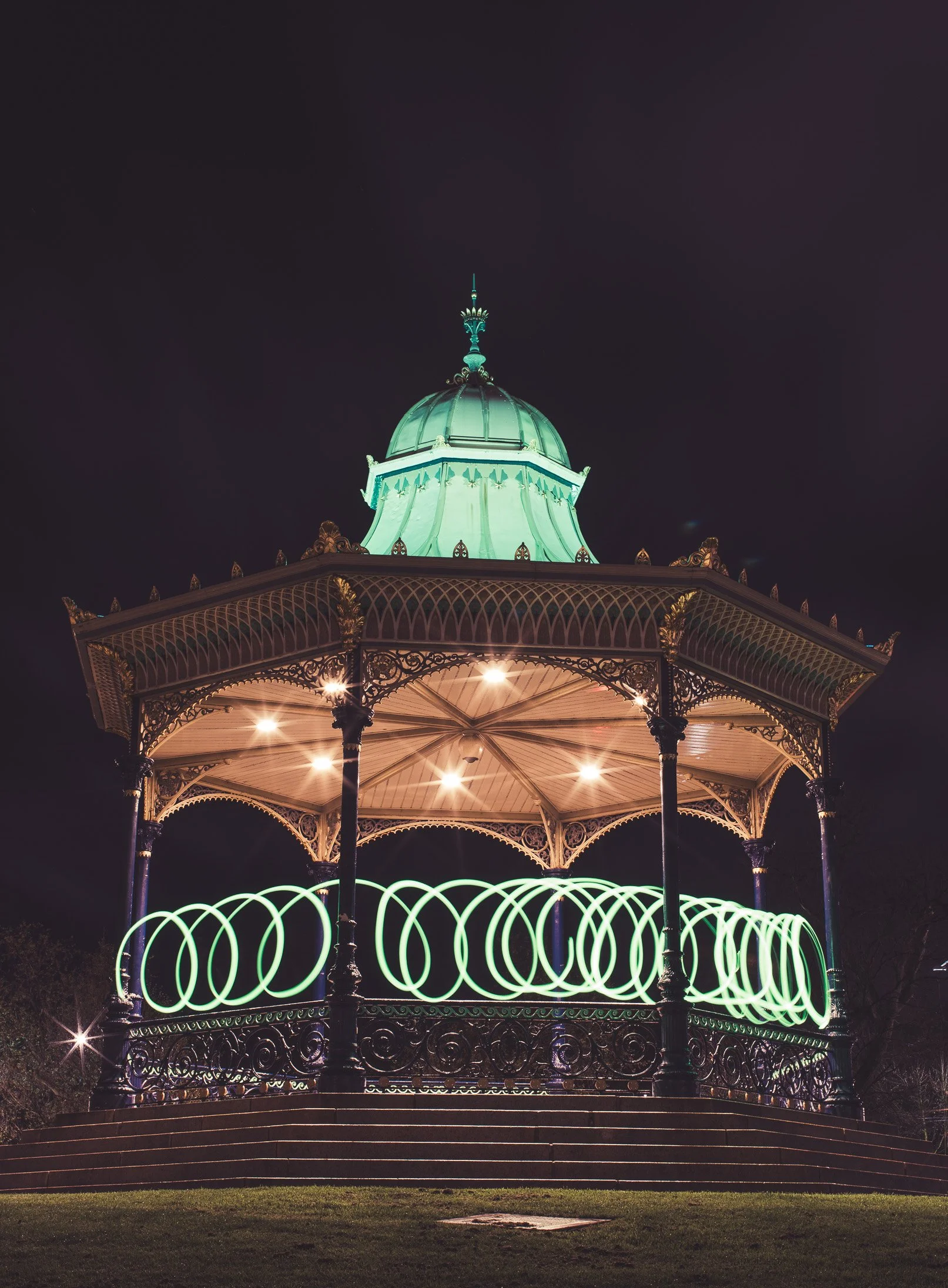
Adelaide Parklands
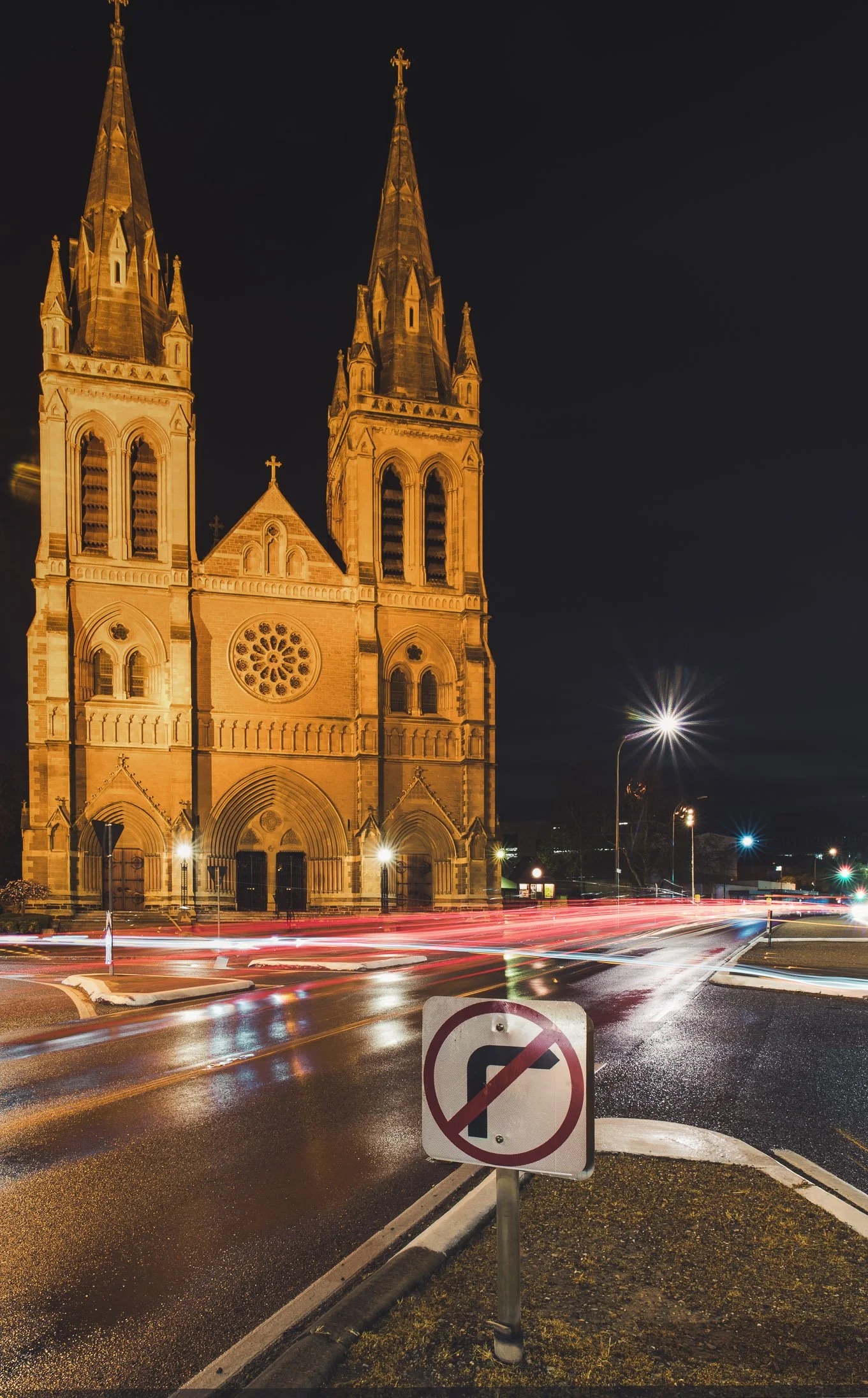
St. Peter’s Cathedral
3. St. Peters Cathedral
Landmark neo-Gothic Anglican cathedral operating since 1878 with notable stained glass & sculptures.
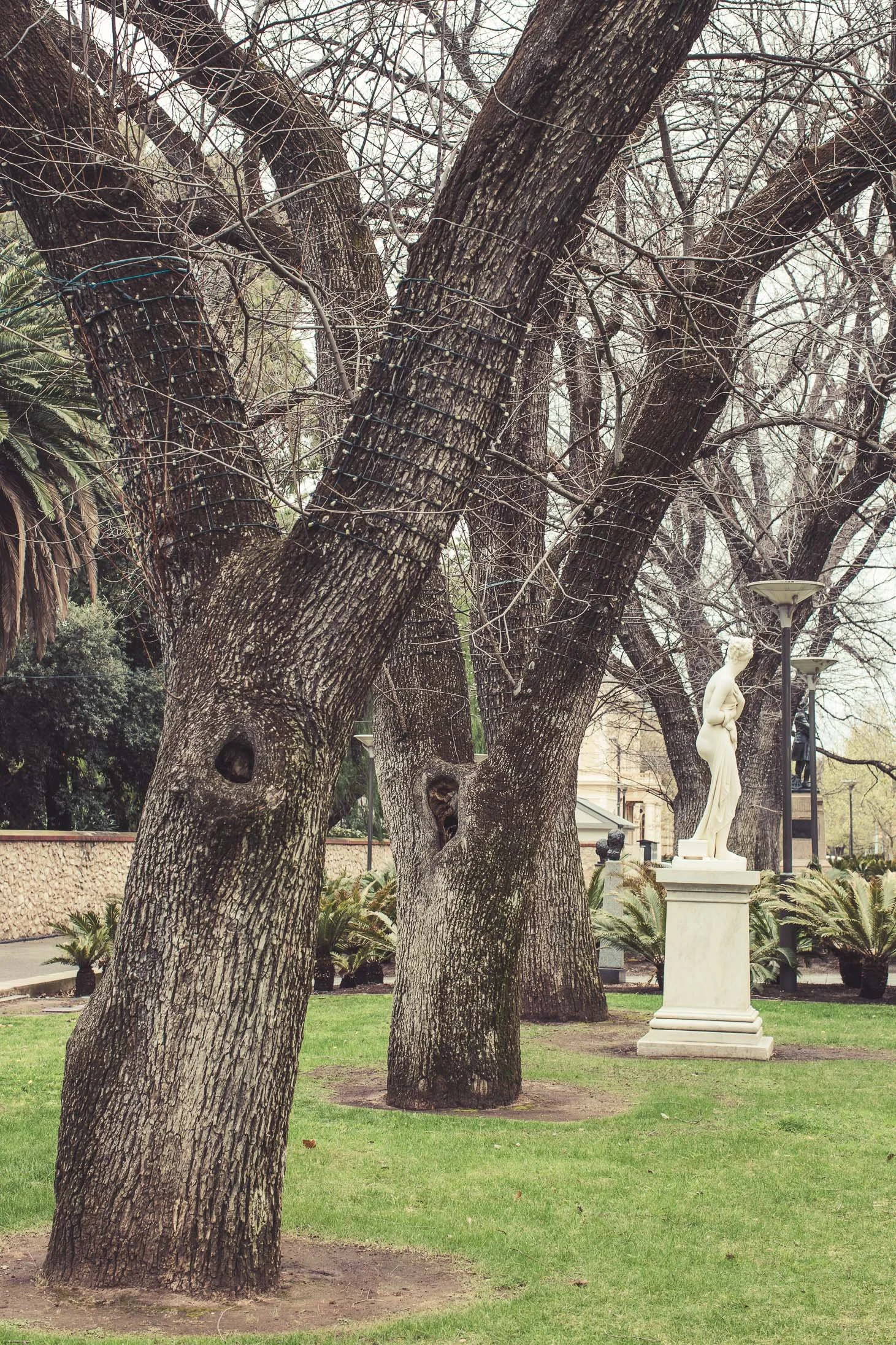
4. Adelaide State Library
The Mortlock Wing's journey is as fascinating as the treasures it holds. Construction began in 1866, yet the project spanned over 18 years due to political indecision, design revisions, and the challenge of an underground stream that made the foundations unstable.
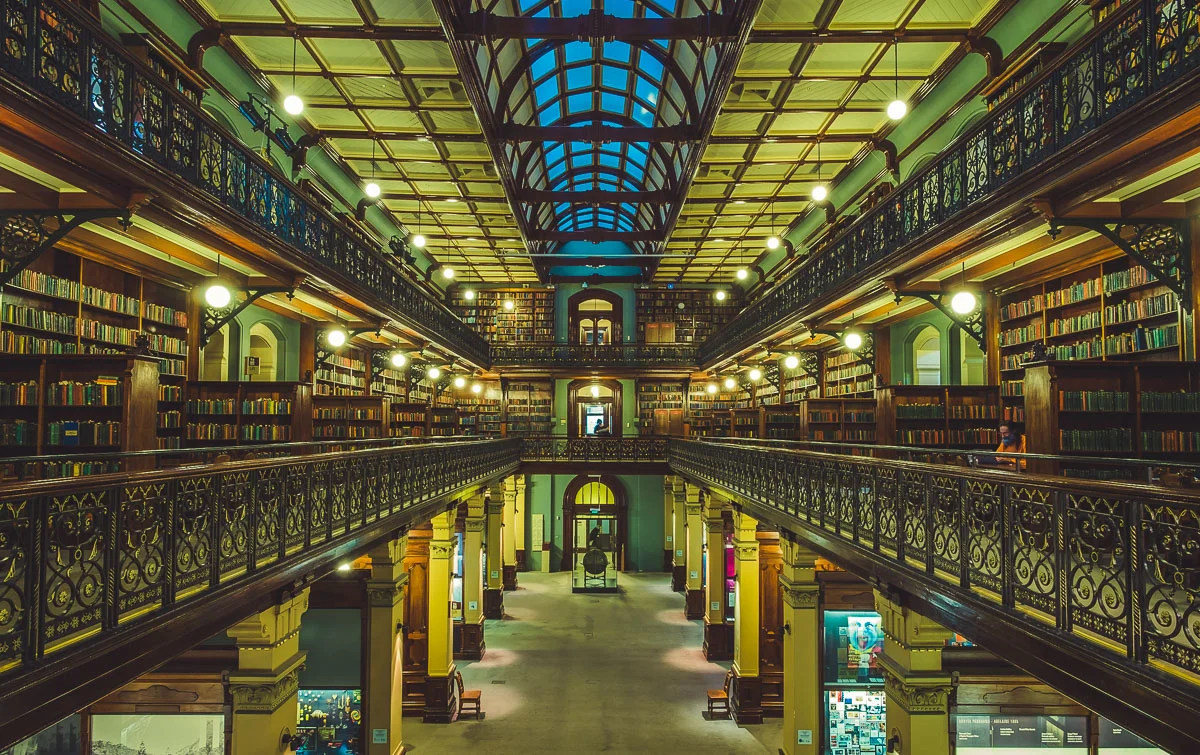
Mortlock Wing - State Library
5. South Australian Health and Medical Research Institute (SAHMRI)
The South Australian Health and Medical Research Institute (SAHMRI) in Adelaide was designed by Woods Bagot. Its iconic, organic shape is inspired by a pine cone. The $200 million building features a distinct triangulated diagrid facade and houses open, flexible laboratories designed to encourage teamwork among scientists
South Australian Health and Medical Research Institute (SAHMRI)
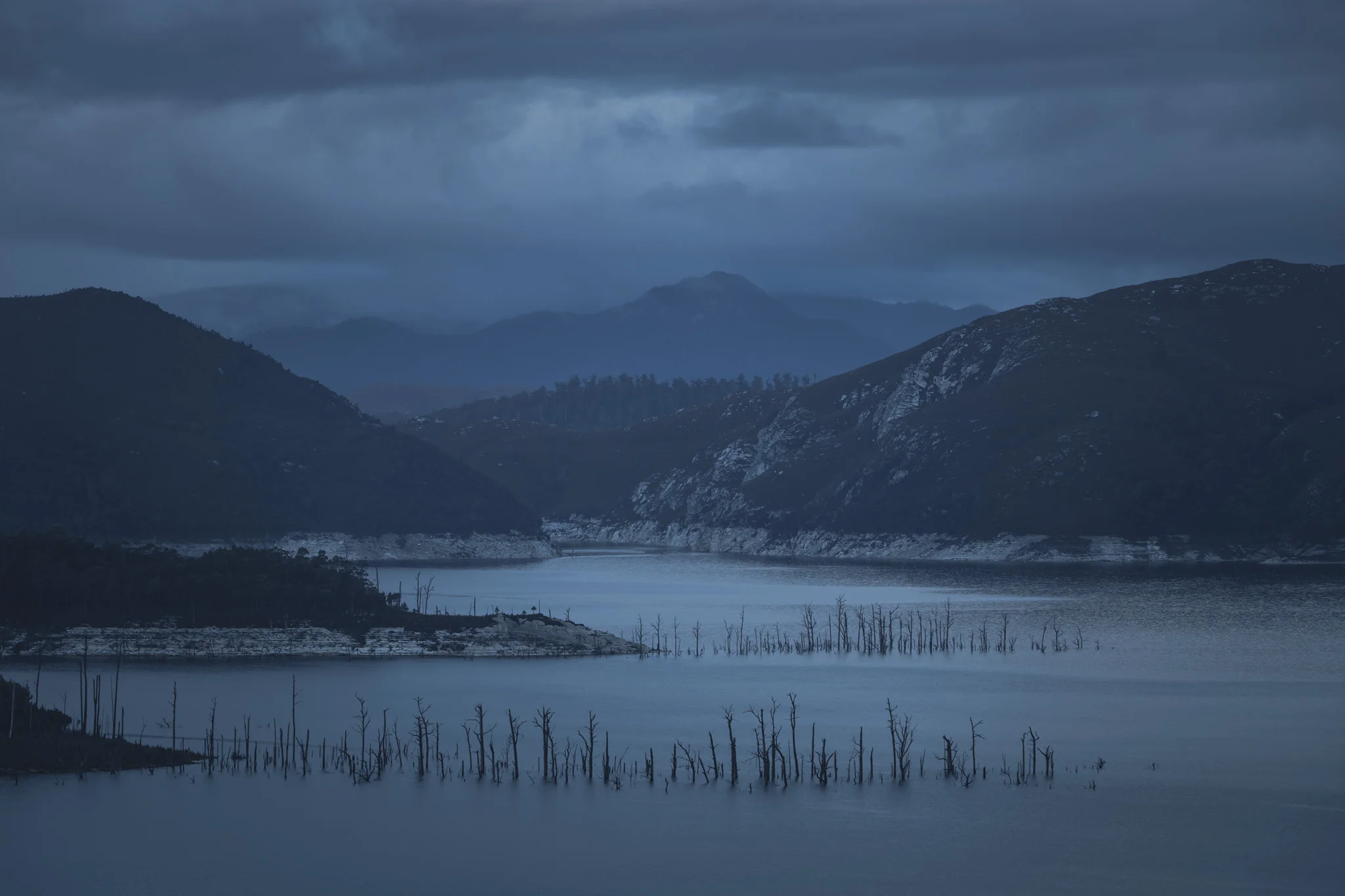
The Most Remote Wilderness in the World
Southwest Tasmania according to Discover Tasmania is the most remote wilderness in the world. World heritage listed and with the cleanest air in the world. Tourism tagline is #comedownforair
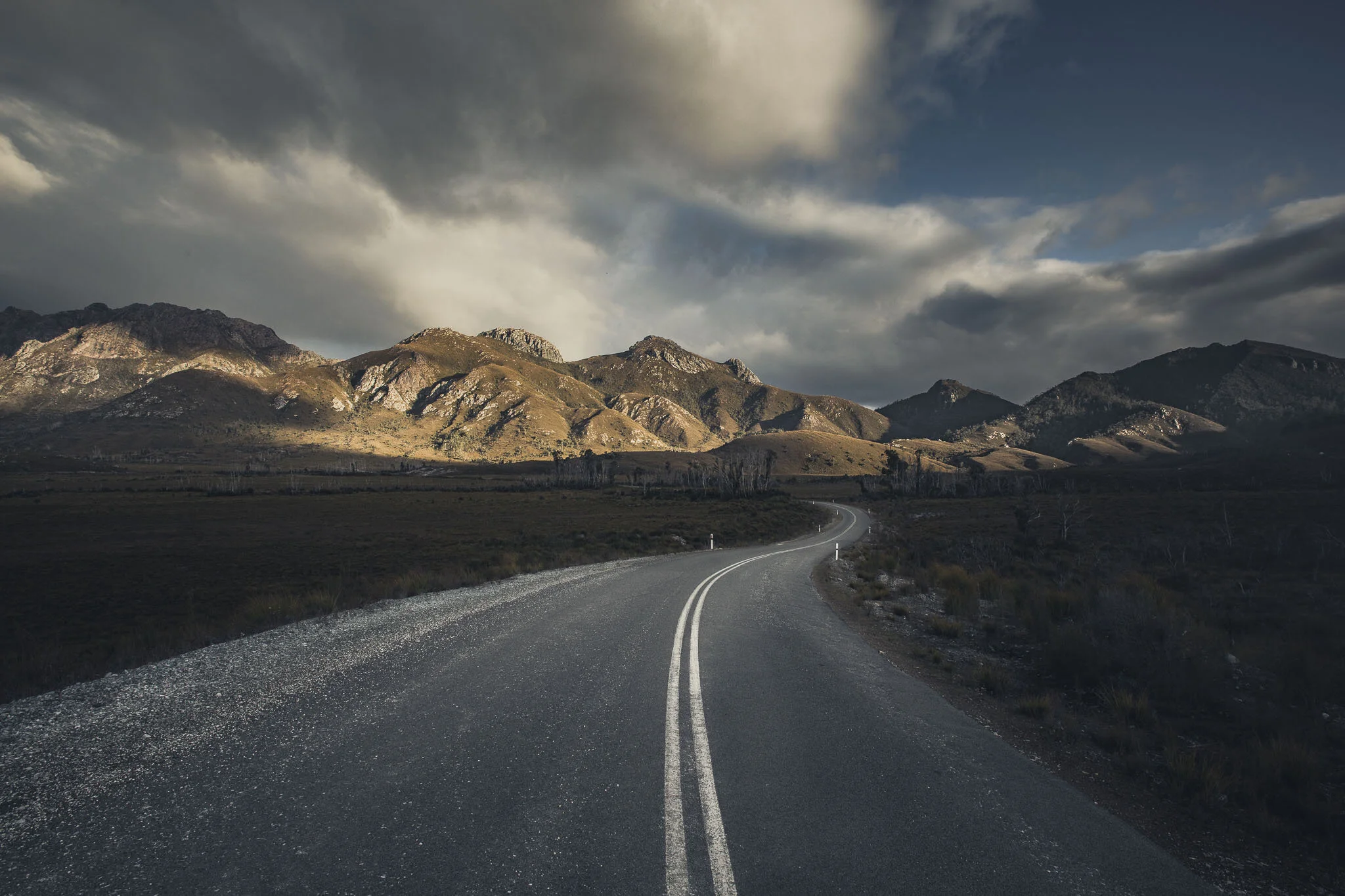
Gordon River Road - views of Sentinal Range
Southwest National Park - Tasmania
World Heritage listed with a whopping 600,000 hectares of land area. According to Discover Tasmania to be the most remote piece of nature anywhere in the world. Hopefully, it will continue to be difficult to access some areas. There are however some areas easy to get to by car or on foot.
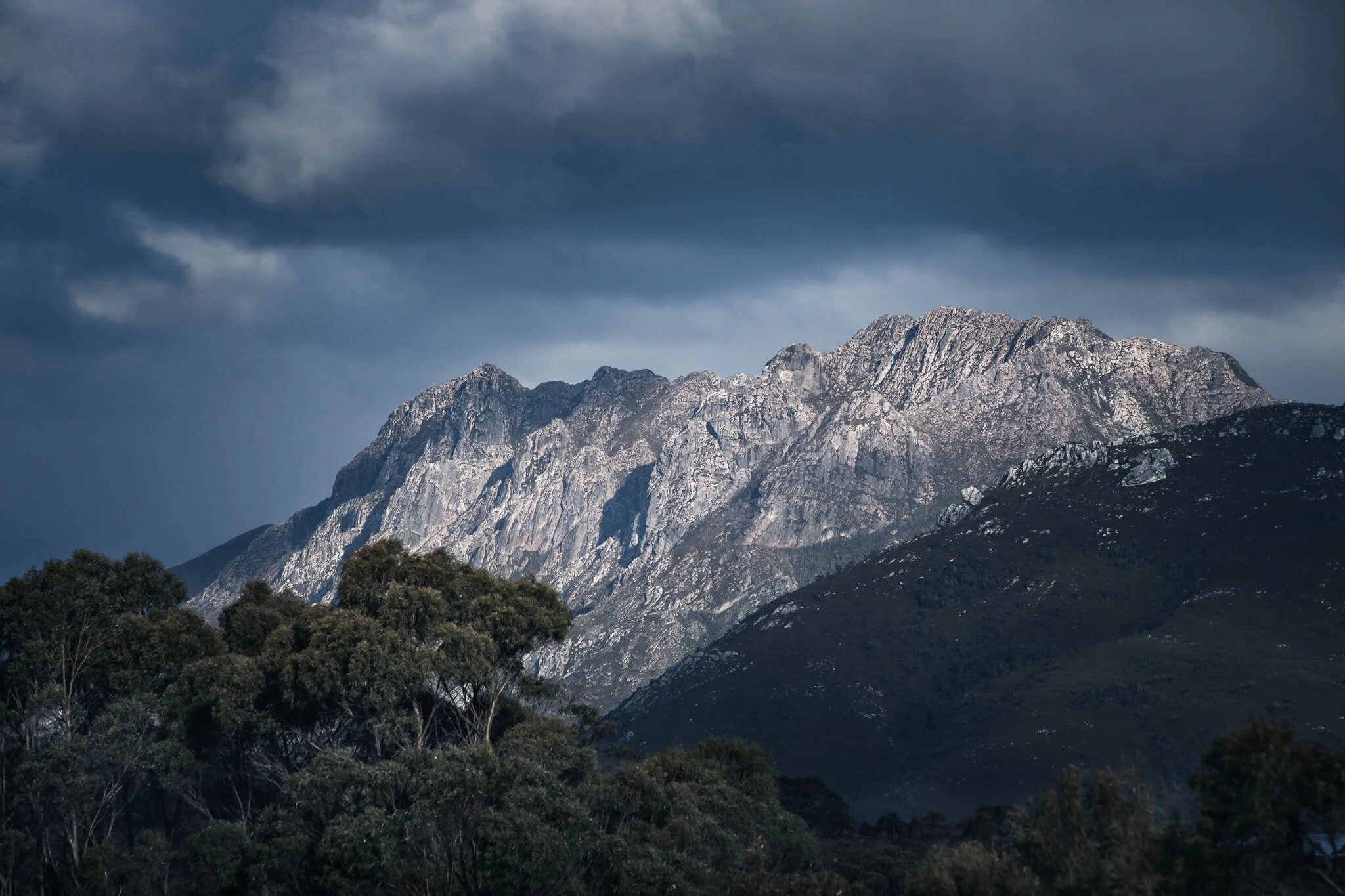
Sentinal Range
Some camping and kayaking may also be available in some parts. This short road trip only scratches the surface and is only a guide for someone with a normal level of fitness. Other areas would definitely require a very experienced hiker/camper with excellent level of fitness. The weather changes every half hour so be prepared for a lot of rain.
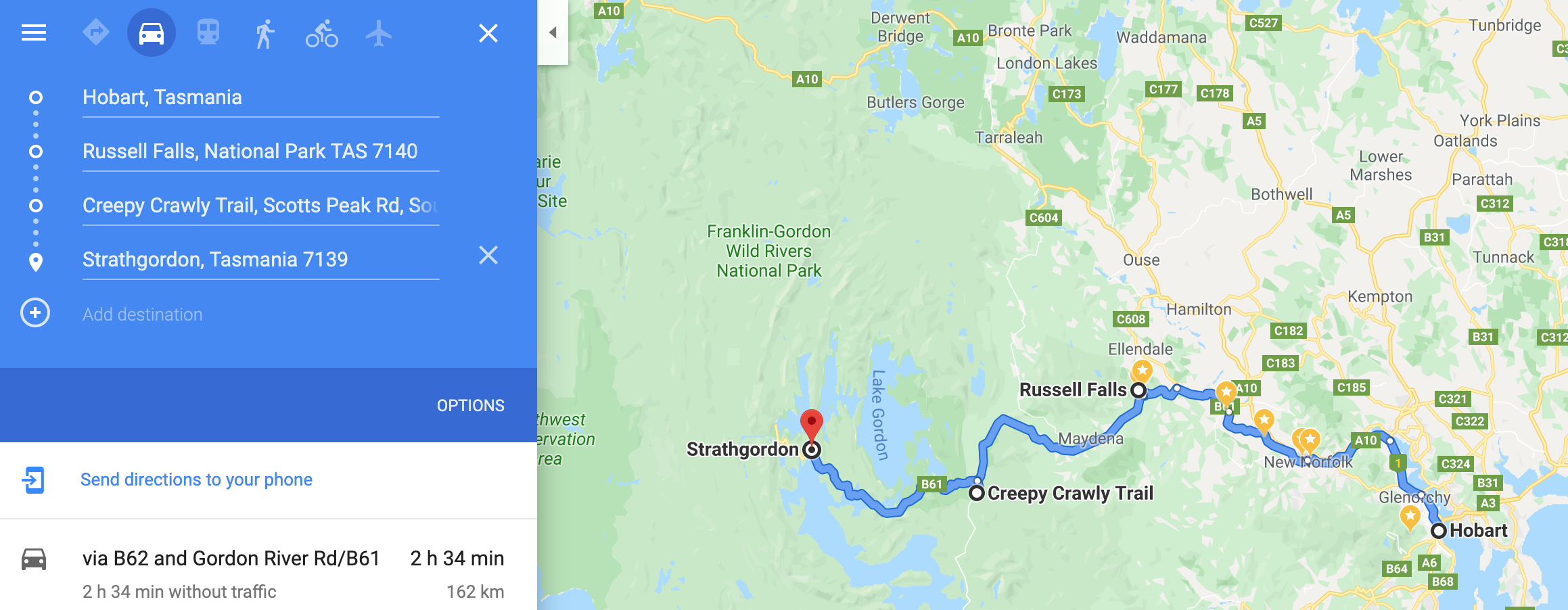
Hobart to Strathgordon
On a recent trip to Tasmania, I decided to do a scouting trip to explore this unknown area. After a little bit of online research and 3 days to spare on my calendar, booking the Pedder Wilderness Lodge was our only choice. The only other option would be to camp. Nevertheless, it turned out to be great accomodation, food and service. Recently handed back to Hydro Tasmania who are now managing the property well.
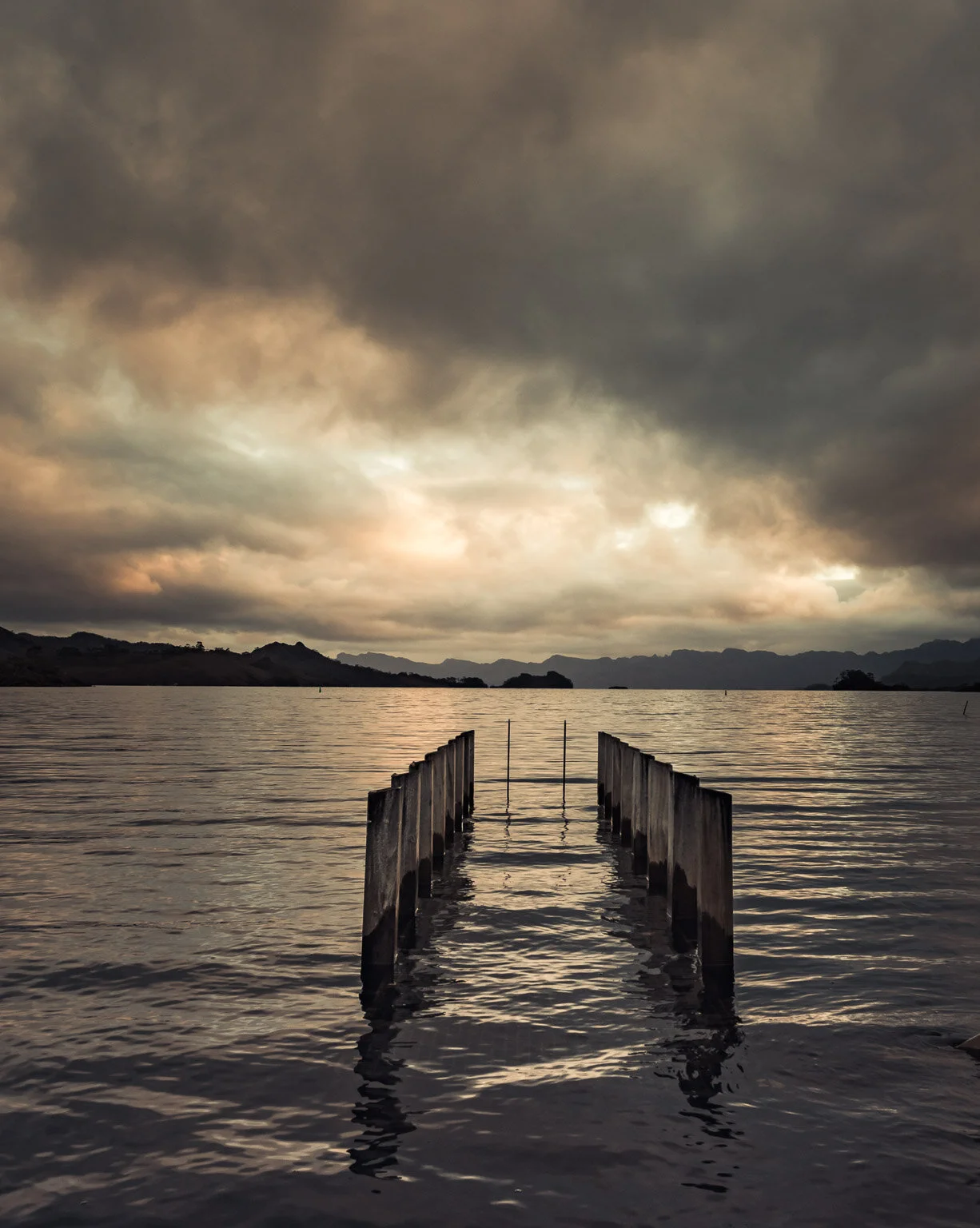
Pedder Wilderness Lodge
The lodge is on the banks of Lake Pedder in Strathgordon. Aside from the lodge accomodation there are houses for Hydro Tasmania staff who work close by at Gordon Dam. I would highly recommend the lake view rooms which are in the main complex where the restaurant and bar are located.
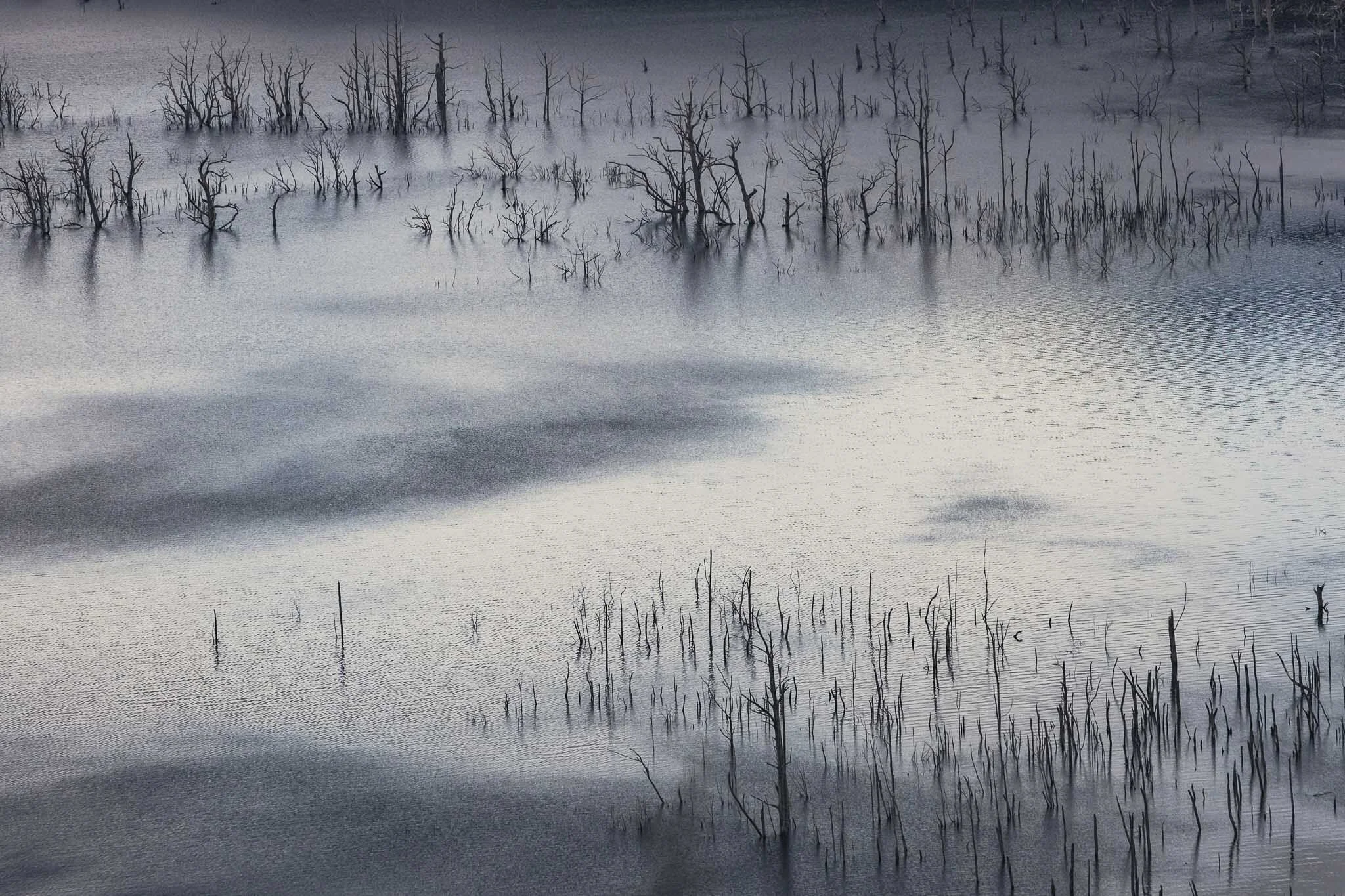
Lake Gordon
The drive down from Hobart is only 2.5 hours. You can pass Russell & Horseshoe Falls at Mt. Field National Park to photograph some waterfalls along the way and break up your driving. You will then head south west on the Gordon River Road until you hit Strathgordon which is only an hour drive from Maydena. On the way there you can pop in for a quick look at Creepy Crawley Reserve.
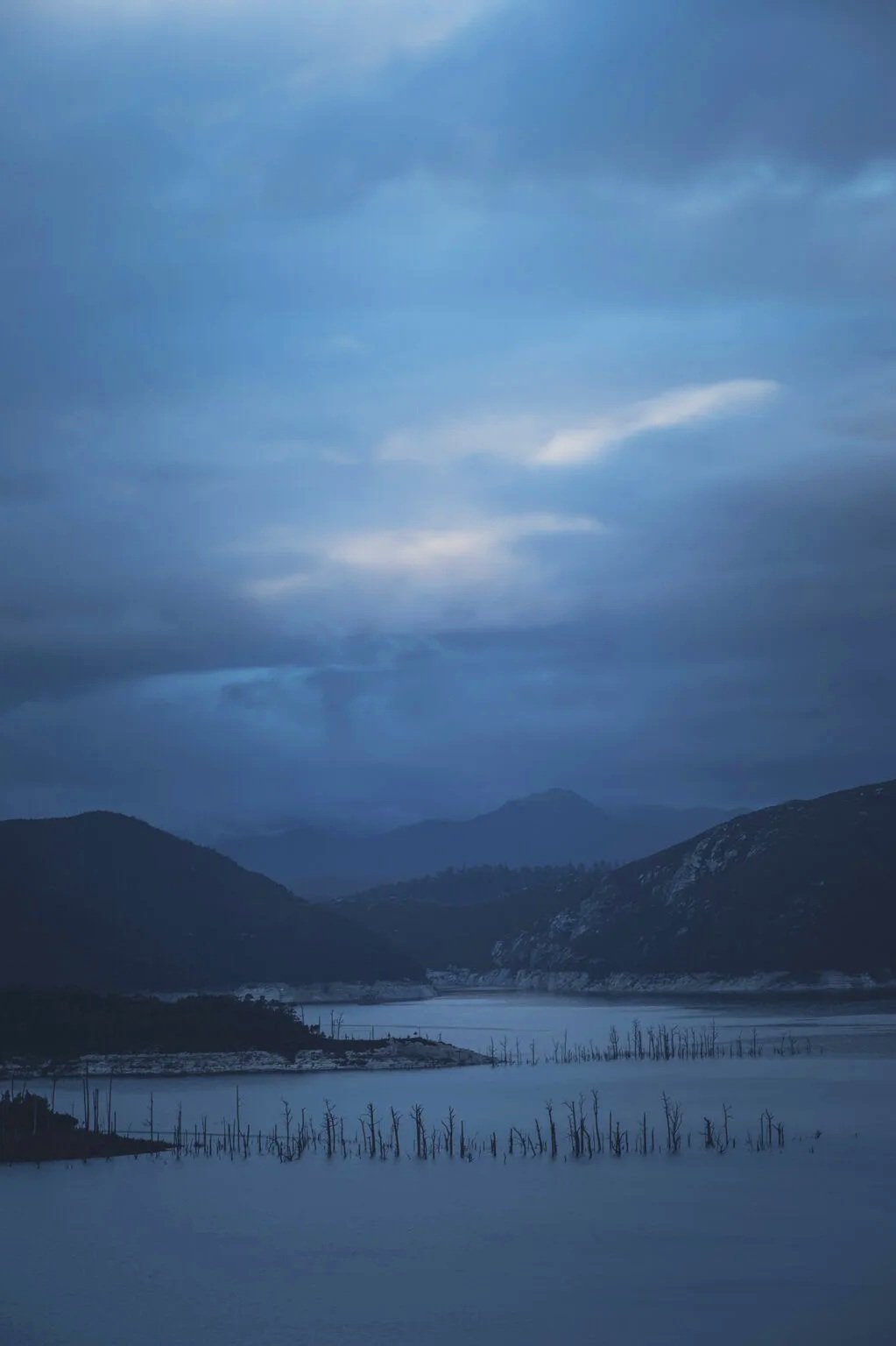
Lake Gordon
Creepy Crawley Reserve
The very short 20 minute return walk is easy but be prepared for a little limbo dancing. The moss covered roots are a myriad of tangled wonder. On an overcast day it will be easier to show some shine on the lush green moss and canopy of old growth and temperate rainforest.
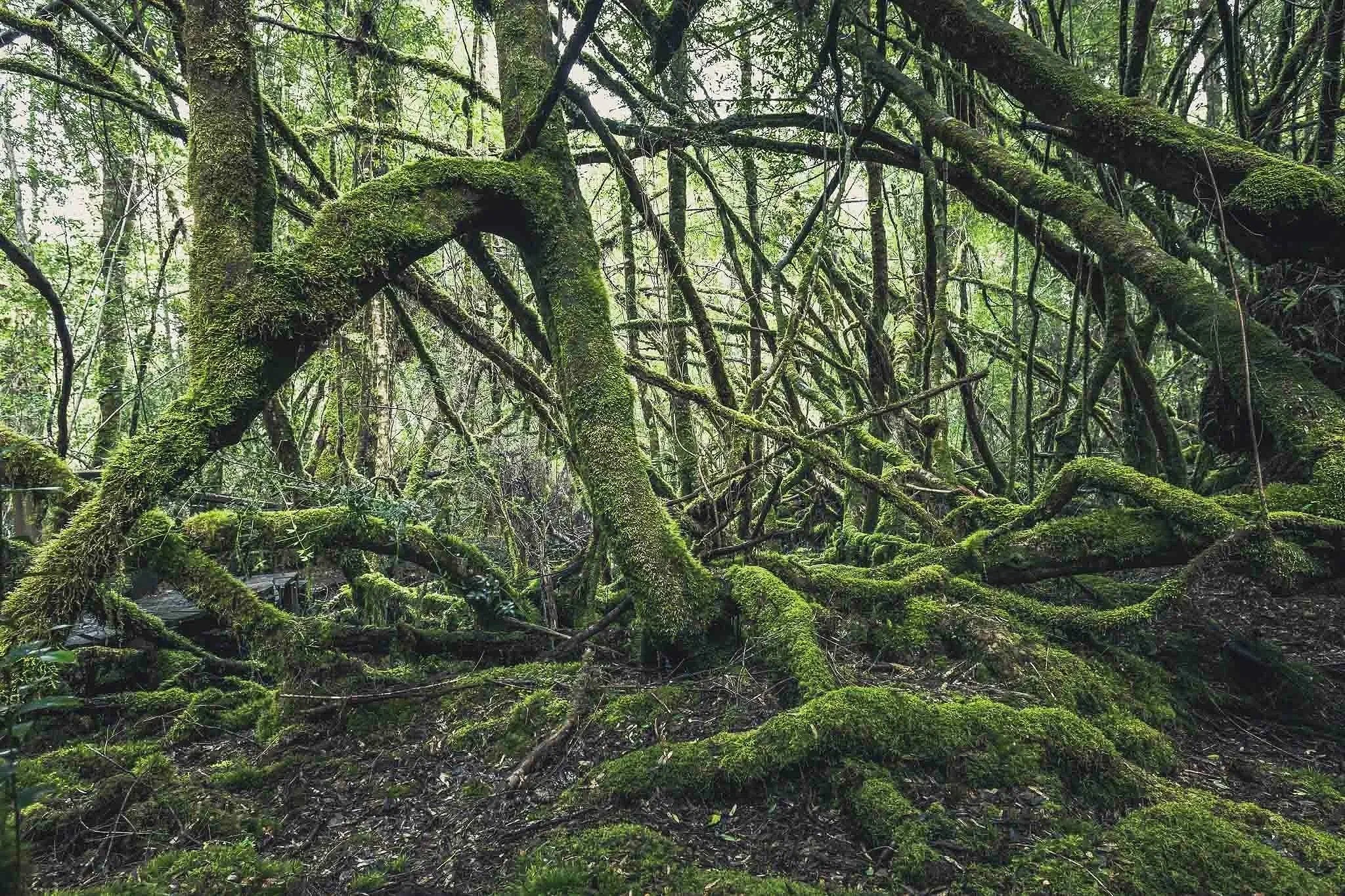
Creepy Crawley Reserve Walk
Lake Gordon & Lake Pedder cover 500 kms and have the largest storage of water in Australia. 37 times more water than Sydney Harbour. An anglers paradise for trout fishing. Standing 140 metres high, the Gordon Dam is the world's highest commercial abseil. Rated in the top ten world list of Adrenaline activities.
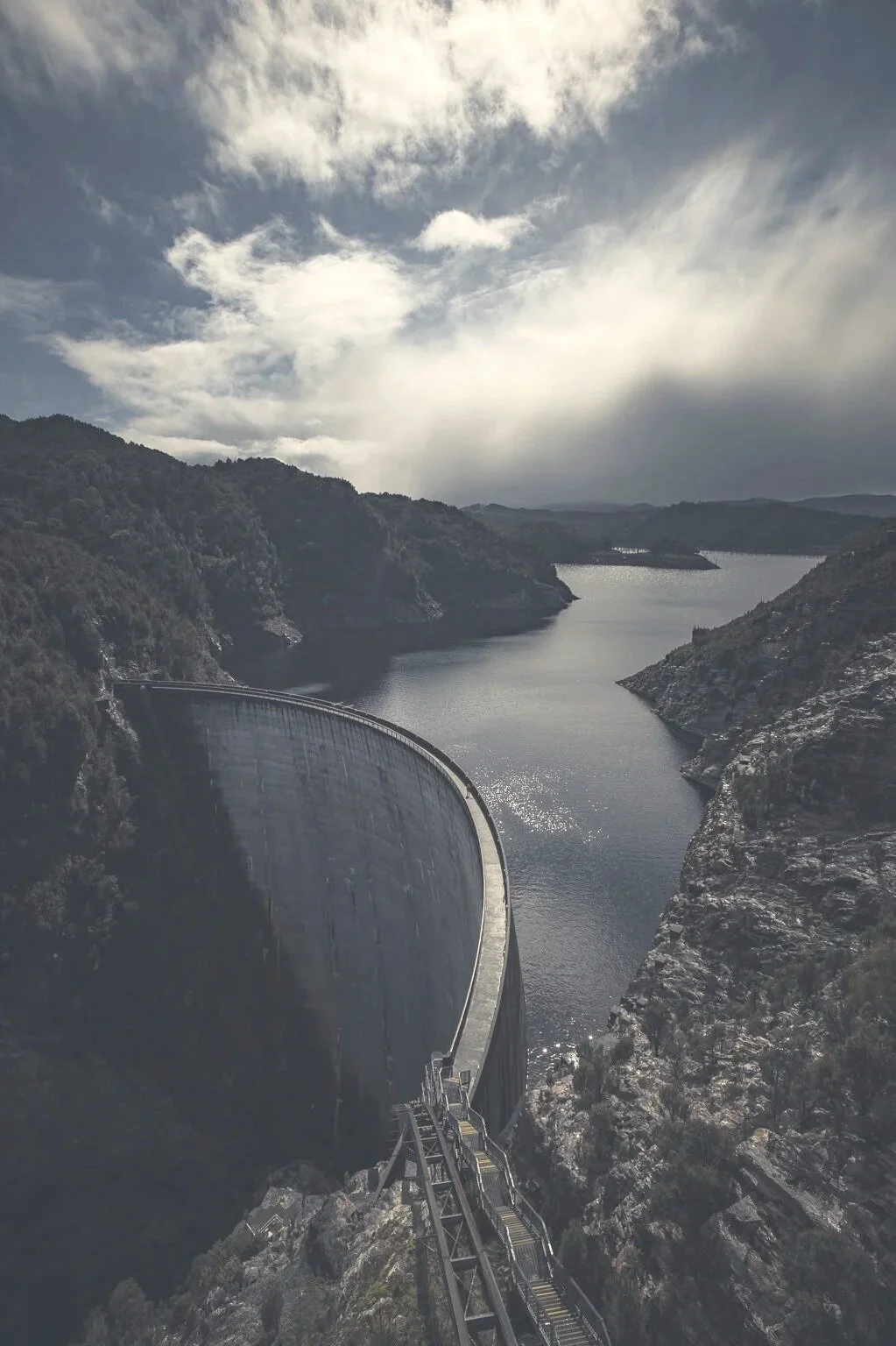
Gordon Dam
Gear Used
Canon EOS R | 18mm Carl Zeis Lens | 70-200mm F2.8 | Macbook Pro | Adobe Photoshop & Lightroom | Nisi Filter 10 stop, 4 stop reverse grad and CPL.
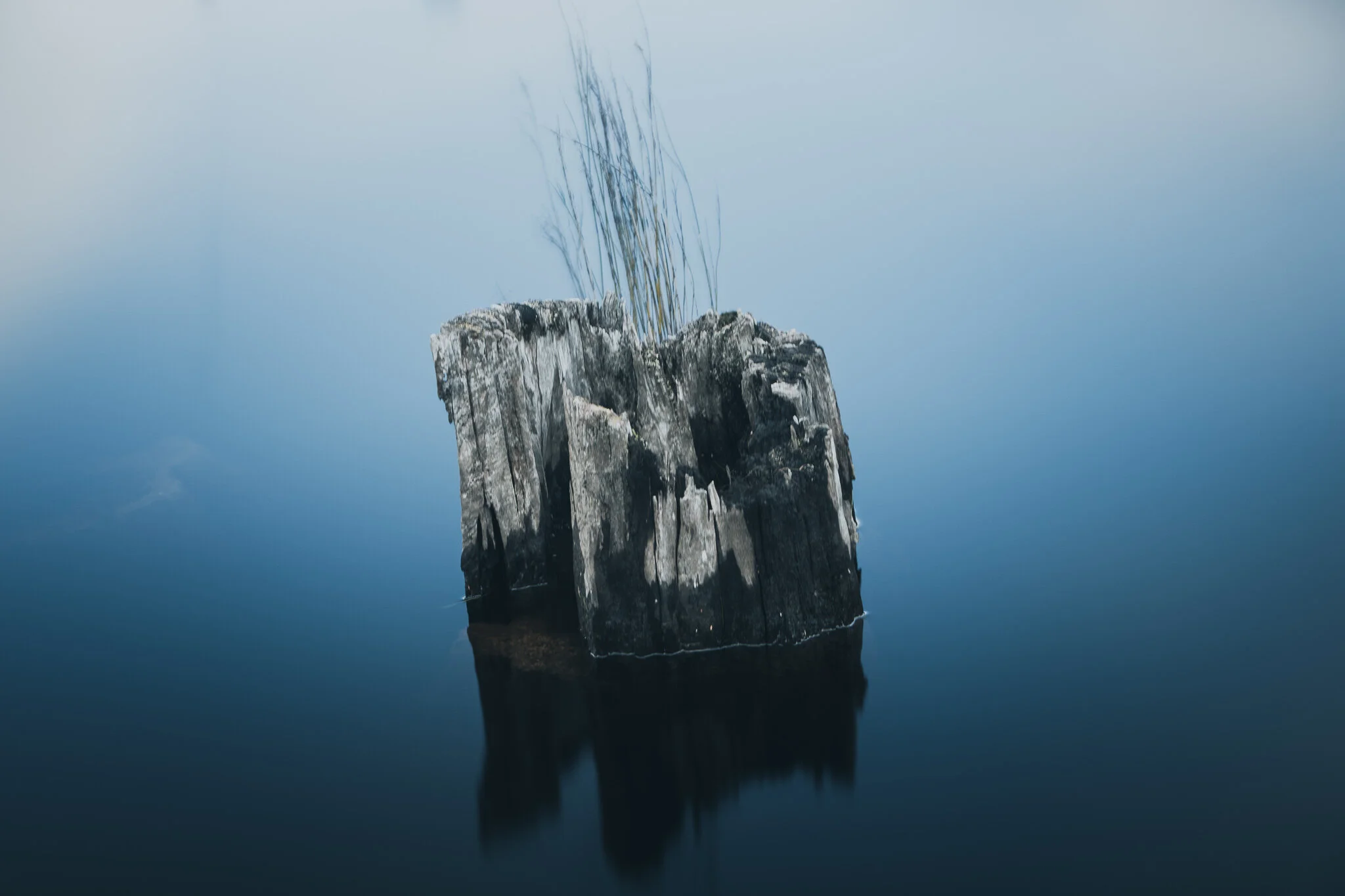
Dead Tree Stump in Lake Pedder
About Alfonso
This job is mix of all my past jobs. I used to be a Japanese and Spanish speaking tour-guide, taught English in Tokyo and a Professional Photographer for the last 20 years.
Specialising in People and Places as a travel photographer has given me the experience and versatility to shoot in different genres such as Landscape, Street Portraits, Nature, Wildlife and Architecture. The focus on most of my tours is landscapes but in cities, street portraits, architecture and night photography.

Alfonso Calero

7 Best Photo Locations - South Australia's Fleurieu Peninsula
After a week exploring the sweltering summer heat of South Australia, I have nailed the best spots to set up your camera for some jaw dropping landscape locations. From sunset seascapes to rugged coastline beaches, the unique geology and topography in the Fleurieu Peninsula is worth a visit.
7 Best Photo Locations Fleurieu Peninsula, S.A.
After a week exploring the outskirts of Adelaide in South Australia, I have nailed the best spots to set up your camera for some jaw dropping landscape locations. From sunset seascapes to rugged coastline beaches, the unique geology and topography in the Fleurieu Peninsula is worth a visit.
Here is a guide to what I think are must see destinations if you have at least three days to spare for a micro adventure.

Port Willunga Sunset
21mm Lens F11 @ 1/60 Shutter Speed on ISO 80.
Port Willunga
This stunning beach is overlooked by cliffs where fishermen once carved out caves to store their boats and nets. Also of historical interest, the town’s jetty was destroyed in 1915.
All that remains is a collection of weather-beaten pylons that stand as a reminder to the town’s heady past as a grain port. Locals often meet in the caves for a sunset party. You might even run into a bridal party doing a wedding shoot.

Port Willunga Sunset

Port Willunga Beach

Port Willunga Beach

Port Willunga Beach
Second Valley Beach
Only 90 km away from Adelaide, crowds of beachgoers were basking in the Southern sun. Must have been our lucky day but we happened to get the best parking spot.
It was a real stinker of a day with temperatures nearing 40 degrees. My drone refused to fly in such hot weather. Much to our surprise the landscape looked more like the Mediterranean than a quintessential Australian beach.

Second Valley Beach
The history of this area dates back to when an English Colonel was sent to South Australia to look for a location to set up the capital city. First stop was next door at Rapid Bay and second stop was this place, Second Valley.
Not the most creative way to decide on a name. The geology is a mix of layers of white and coloured dolomitic limestone, gray to black slate, and quartz veins. If you are a rock collector, then you will enjoy this pebbly beach’s little coves and cliffs.

Second Valley Beach

Grey & Black Slate

Grey & Black Slate

Dolomitic Limestone

Dolomitic Limestone

Second Valley Beach

Rapid Bay

Second Valley
Petrel Cove Beach
Located just outside Victor Harbor, this is a dangerous place to shoot. Never turn your back on the ocean as this place is notorious for some fatalities.
There are sinkholes, blowholes and jagged rocks everywhere you look. There is an Interesting geology of dark and smooth molten granite.
It’s an easy hike down and the best set of rocks are just to the right of the beach. Any further along the rocky coast, will require some climbing over rocks in low tide.

Petrel Cove
Granite Island, Victor Harbor
Granite Island, also known by the Ramindjeri people as Nulcoowarra, is a small island next to Victor Harbor. It’s about 80 km south of Adelaide.
A shore-based bay whaling station operated at Granite Island in the 1830s.

Granite Island natural formation of rocks.
Granite Island places sculptures by artists from South Australia and across the world among the spectacular scenery and coastal views.
By integrating sculptures into the landscape it aims to provide visitors to the island with a different experience as they wander the track.
The sculptures are leased or commissioned from artists who have previously exhibited in the Sculpture by the Sea exhibitions at Cottesloe Beach in Perth, or on the Bondi to Tamarama coastal walk in Sydney.

Granite Island Sculpture by Lubomir Mikle (Slovakia) titled “Element 0”

Granite Island
Cape Jervis
The only reason we drove to this cape was to see the car ferry arriving from Kangaroo Island. Kangaroo Island itself is another destination worth exploring on another trip.
What intrigued me most was this lonely tree on the hill just next to the lighthouse. I guess the birds had no other place to perch and view the ocean.

Lonely Tree at Cape Jarvis

Birds at Cape Jarvis

Birds at Cape Jarvis
Inman Valley Views
On a sunset drive back to Victor Harbor I stumbled upon a view looking back at Inman Valley.
I was flabergasted by the deep purple and magenta tones that seemed to illuminate the sky and landscape from every direction.

Dusk over the Inman Valley

Dusk over Inman Valley
Sellicks Beach
Sellicks Beach is one of the few beaches where parking is allowed on the sand, and it's as popular with families for its safe swimming as it is with surf fishermen. There are good boat launching facilities and excellent windsurfing conditions when off-shore winds prevail.
It is an outer suburb of Adelaide so many day trippers come for a swim. Not much shelter from the sun, so don’t forget to bring your umbrellas and sun protection. Land surfers can also be seen rolling along the very long and flat sandy beach.

Sellicks Beach On Australia Day

Holden Kingswood on Australia Day

Barcelona's 5 Best Photo Locations
In the lead image above George Lucas Storm Troopers in Star Wars was inspired by Gaudi. For first time travellers to Barcelona these are my five favourites photo spots. I am expecting many readers to add their best spots that are not on this list.

In the lead image above George Lucas Storm Troopers in Star Wars was inspired by Gaudi. For first time travellers to Barcelona these are my five favourites photo spots. I am expecting many readers to add their best spots that are not on this list. Please make sure to Google pin your exact locations in your comments. Much like my recent post on Tokyo I would love to see lots of sharing especially less popular locations.
The point of this article and many to follow is to expand on everyone's travel experiences and narrow down each location depending on the genre of travel photography they would like to focus. For this article I will focus on architecture and street portraits. I would encourage all other comments to also talk about other genres of travel photography such as abstract, conceptual, food...
For those who are hard pressed for time, here is a slow three hour walk to take you to must see destinations. Best seen in the late afternoon or early in the morning depending when you are more creative and relaxed. The loop walk can start and end wherever you would like to visit first. Here is my Goggle Map.
The five spots listed below are general areas with some specific stops to look into. A self guided photo walk allows you to explore other paths and alleyways.

1. Plaça de Catalunya
In Plaça Catalunya you will find the meeting point for free walking tours of the city which usually run in most cities around the world. It's a free tour! That means that at the end of the tour, you can pay whatever you think the tour was worth. Their locations are what you would expect to see. It also serves as a great starting point to map your walking route and then change it to suit your photography needs. If you have time to spare and are feeling energetic then perhaps a walk with them first and then a second walk on your own next. The plaza has a nice ambience of street performers.
Barcelona and Madrid are notorious for bag snatchers and pick pockets. I always carry a dirty old bag and only travel with one camera and one lens. Your rubber neck as a tourist should not be too obvious. Only take your camera out of the bag when shooting. Always have your bag clenched tightly to the front of your chest. No jewelry, expensive watches, or anything that looks flashy. You want to look and act local. These guys are very good at distracting you so whenever anyone gets too close to you watch your back. Avoid walking into very crowded and dark areas where they target tourists. In the comments section I would like to hear of any experiences you may have heard or encountered.

2. Universitat
Universitat is a Barcelona Metro station named after Plaça de la Universitat, split between Eixample and Ciutat Vella districts of Barcelona, where the station is located in. The area is close to Universitat De Barcelona, therefore adding to an ambience of youth. For street portraits I prefer to shoot with and without permission depending on the time, place, and person. Most people don't mind you taking photos, but take the time to read the situation, particularly if you are traveling or in an unfamiliar culture. Be friendly and only bring the camera up to your eye when you are taking the shot. Explain yourself if asked and be genuine about your intentions.

3. Gothic Quarter
This area is riddled with side alleys. Bohemian and eclectic vibe. It's a suburb with a blend of working class people and boutique shops or hotels. Every street corner is a potential street portrait. Try to blend into the crowd as much as possible. Darker clothing works well. Bright jackets and white runners don't! Finally, observe, relax, and be very patient. You will be amazed what might reveal itself. Photographing a street portrait without permission can sometimes be hard to do. To avoid confrontation and still get a spontaneous photo, I would suggest you pick a street corner with some nice architecture. Wait for your subject to come into frame and snap a few quick ones. Most people will feel as though they have entered your shot by mistake. I know it's a sneaky move but the results can sometimes be rewarding. I often shoot with a Canon 85mm F1.2. This type of a lens gives me the distance I need for these alleyways. A longer lens might attract more attention. Blending architecture with the occasional street portrait can be a fun exercise. If there is a person I would like to speak with then I ask for permission. Your camera is a great excuse to make friends with the locals.

Points of Interest in area: Pablo Picasso Museum, Jewish Quarter, Roman Ruins, Plaza De Sant Felip Neri, Plaza Del Re, Mercat del Born, Ciutadella Park & Barcelona Cathedral.
4. Sagrada De Familia
Standing in front and looking up I can't help but think of Gaudi the architect doing the same just before he got run over by a tram. When he was admitted to hospital and died shortly after, many thought he was a homeless man. A trip to Barcelona without seeing this work of art would be a pity. Best to buy your entry tickets online as the lines go forever on busy days.
5. La Pedrera and Casa Batllo
Both of Gaudi's buildings are just a few blocks from each other. The nearest subway station is Diagonal if you are feeling a bit tired toward the end of this walk. Barcelona today would not have as many tourists if it weren't for Gaudi's fans from all over the world. Once again, due to it's ever popularity, I would suggest buying tickets online to avoid the long lines.

Other Points of Interest
Las Ramblas - Barcelona's most famous boulevard is a tourist mecca for pickpockets, but charming all the same if you don't get robbed.
Park Guell - A playful creation of Gaudi's masterpeice.
Museu Maritim - A fine example of civil Gothic architecture.
CCCB and MACBA - Cultural Centre and Contemporary Museum of Art
Olympic Park and National Art Gallery
Please add more suggestions for other locations in your comments below.
Can Anyone Be Creative?
Yes, absolutely anyone can be creative. Seeing beauty in the ordinary is a practice of shifting your attention from what you are doing to what you are experiencing. It requires slowing down your thoughts and intentionally engaging your senses.
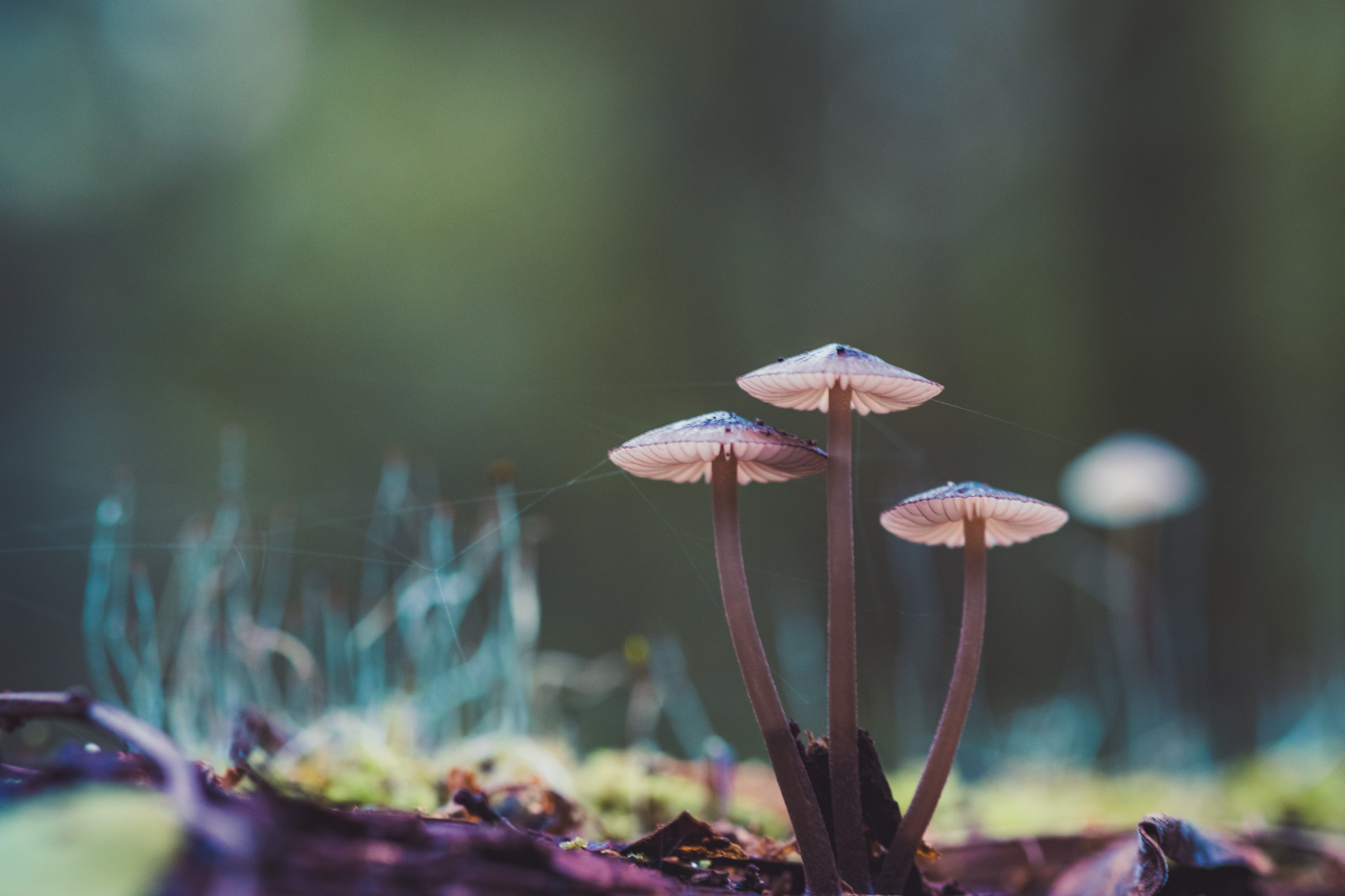
Macro Mushrooms
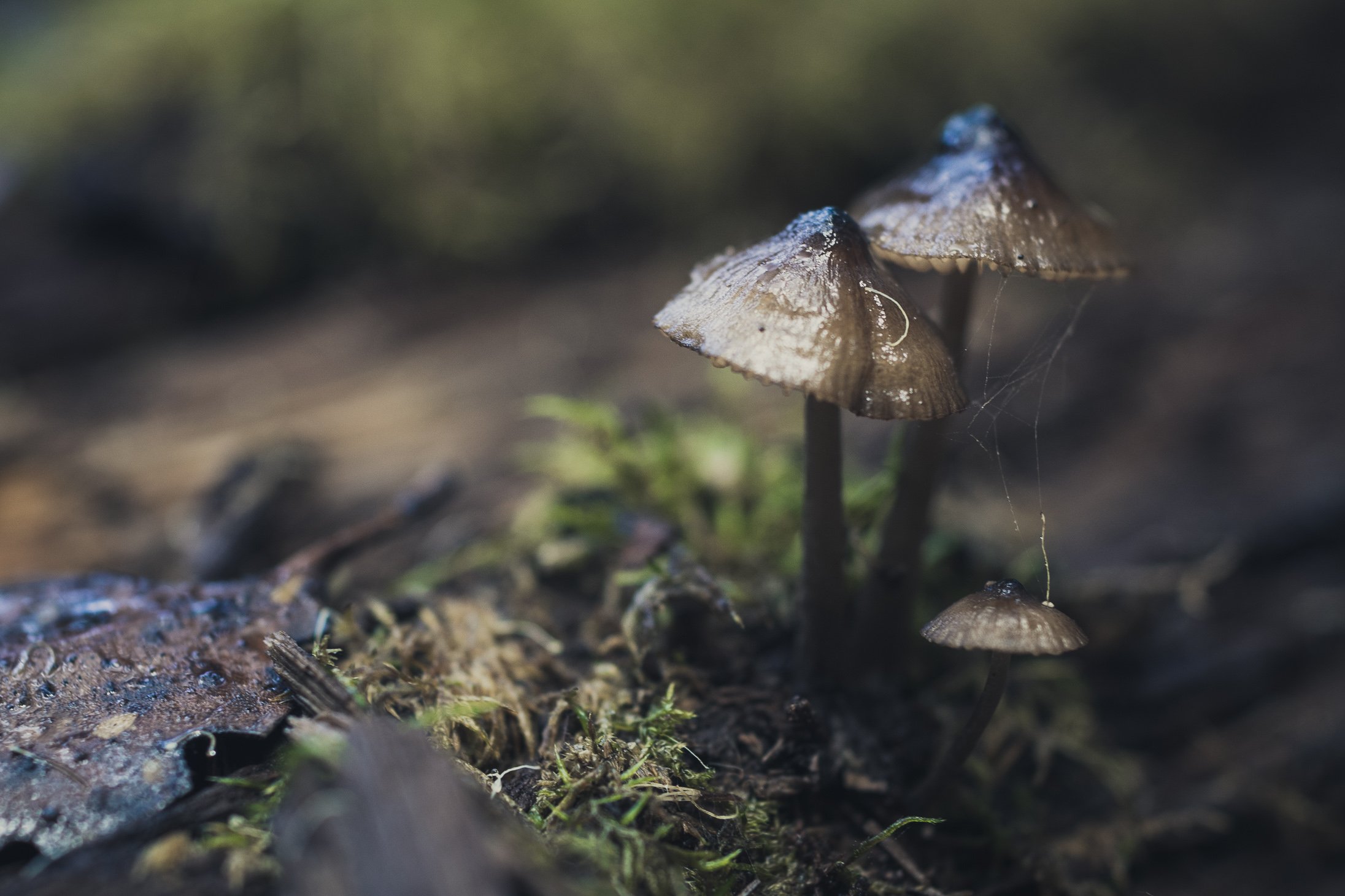
Macro Mushrooms
Here is how you can train your mind to notice the everyday magic around you:
Practice radical presence: Quiet your inner monologue. Focus entirely on the immediate sounds, textures, and smells around you right now.
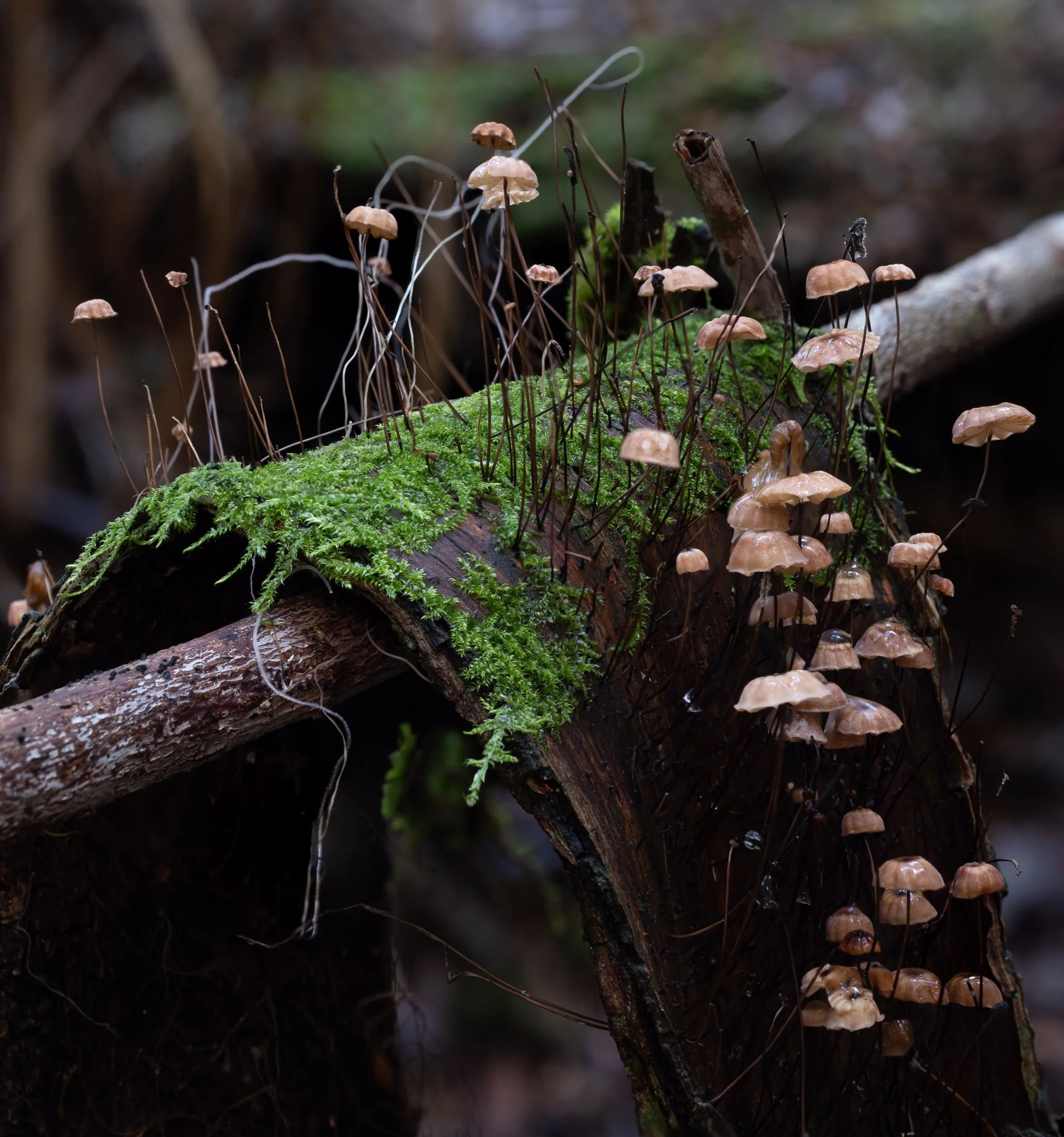
Mushrooms on moss
Mossy Forest
Adopt a beginner’s mind:
Look at your daily surroundings through a fresh lens, as if you’re a traveler sketching a new city for the first time.
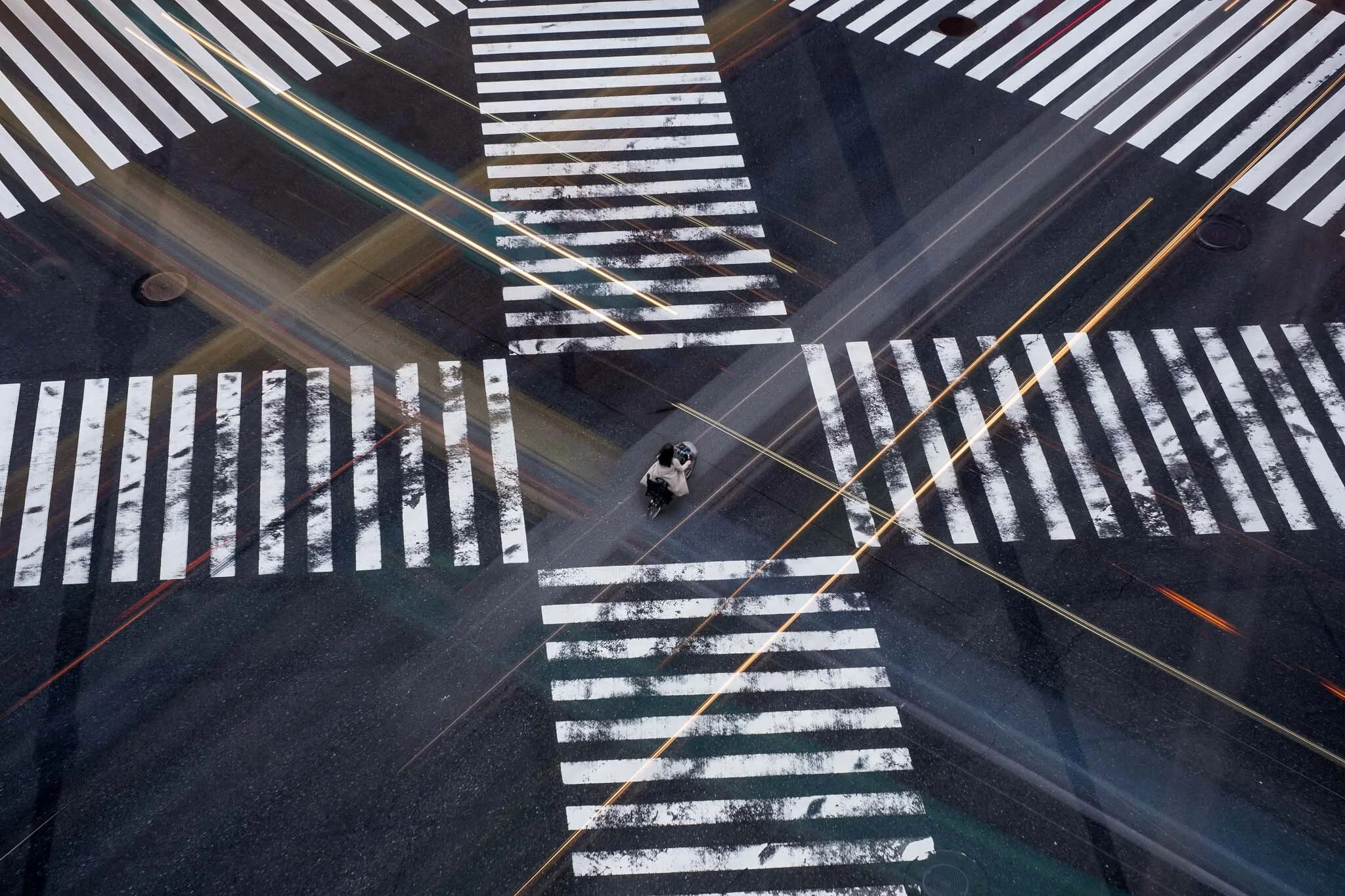
Ginza Crossing (Not Shibuya)
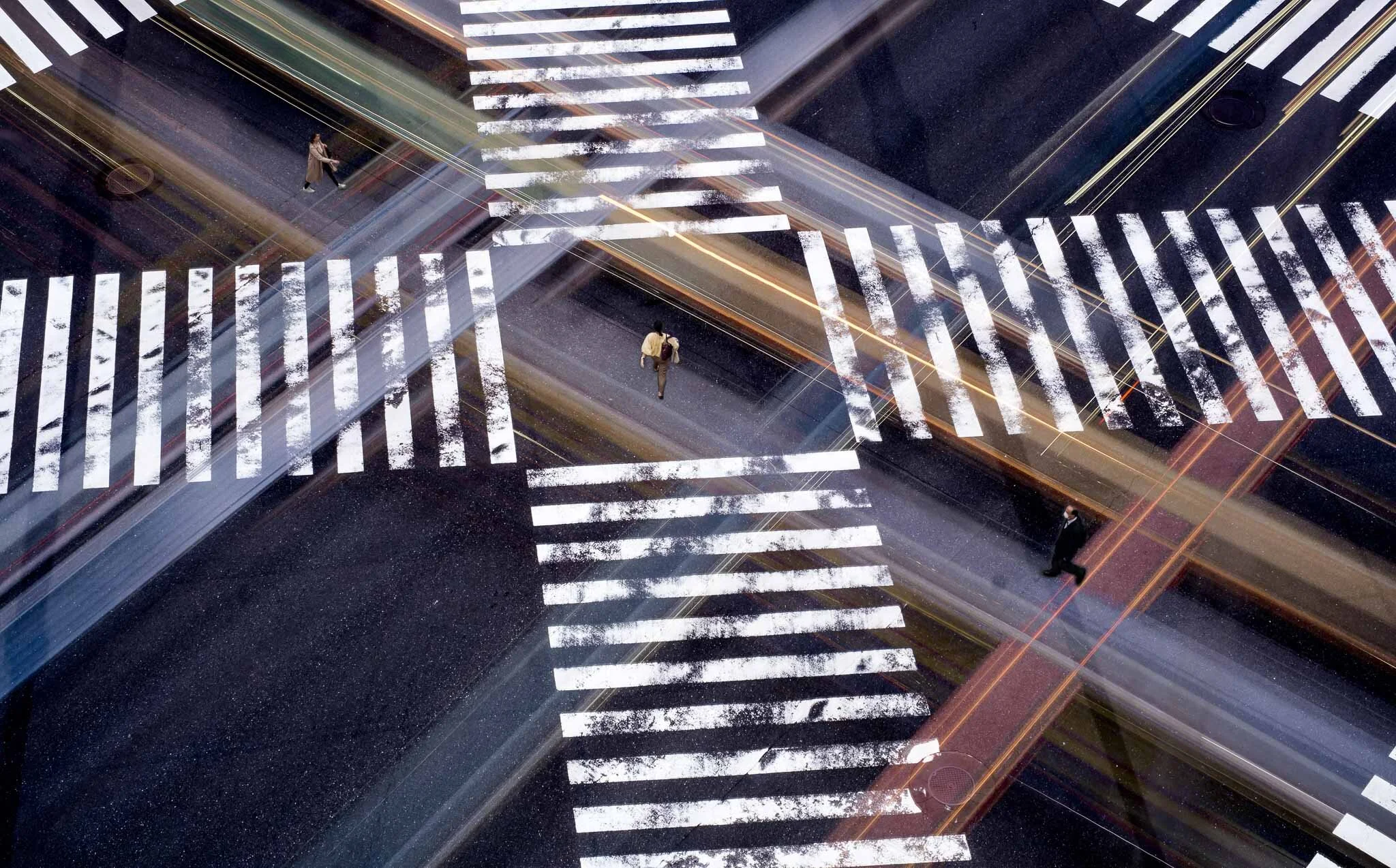
Ginza Crossing (Not Shibuya)

Ginza Crossing (Not Shibuya)
Reframe the Familiar: Notice the interplay of light and shadow on your morning route, the contrast of textures in your kitchen, or the unexpected color palettes hidden in plain sight.
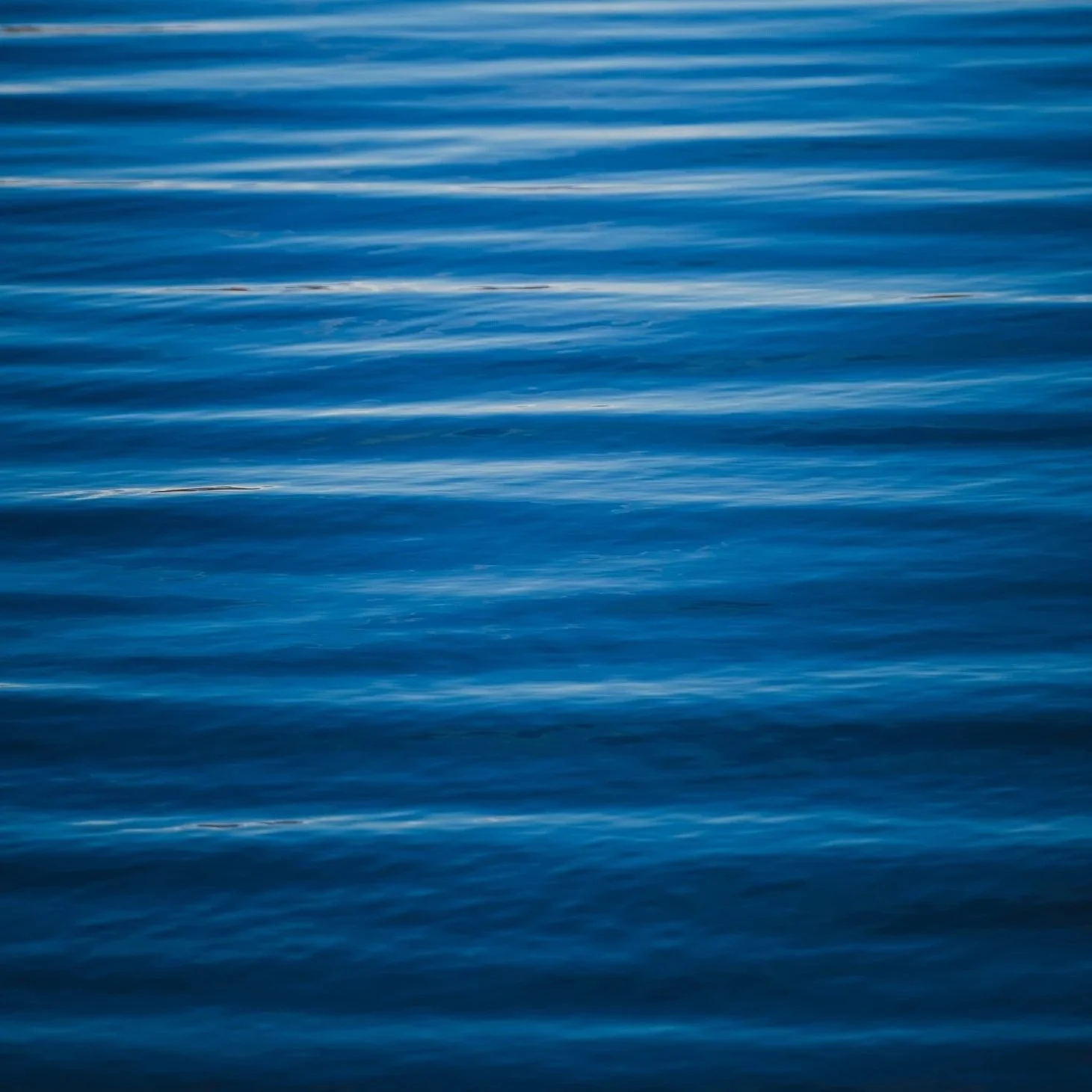
Water Patterns
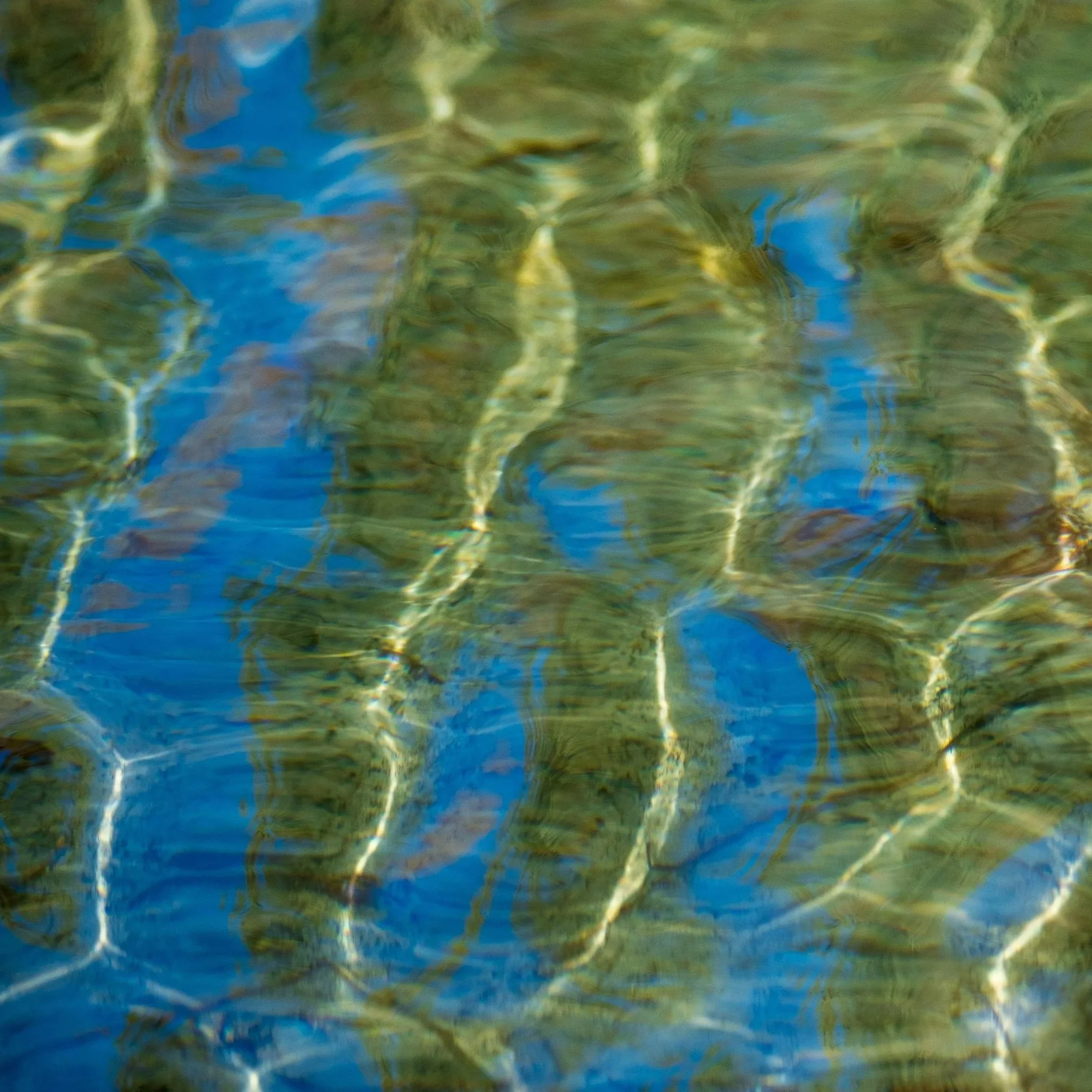
Water Patterns
Observe the Composition: Stop seeing objects just by their function; start seeing them as shapes, lines, negative space, and mood.

Sakura
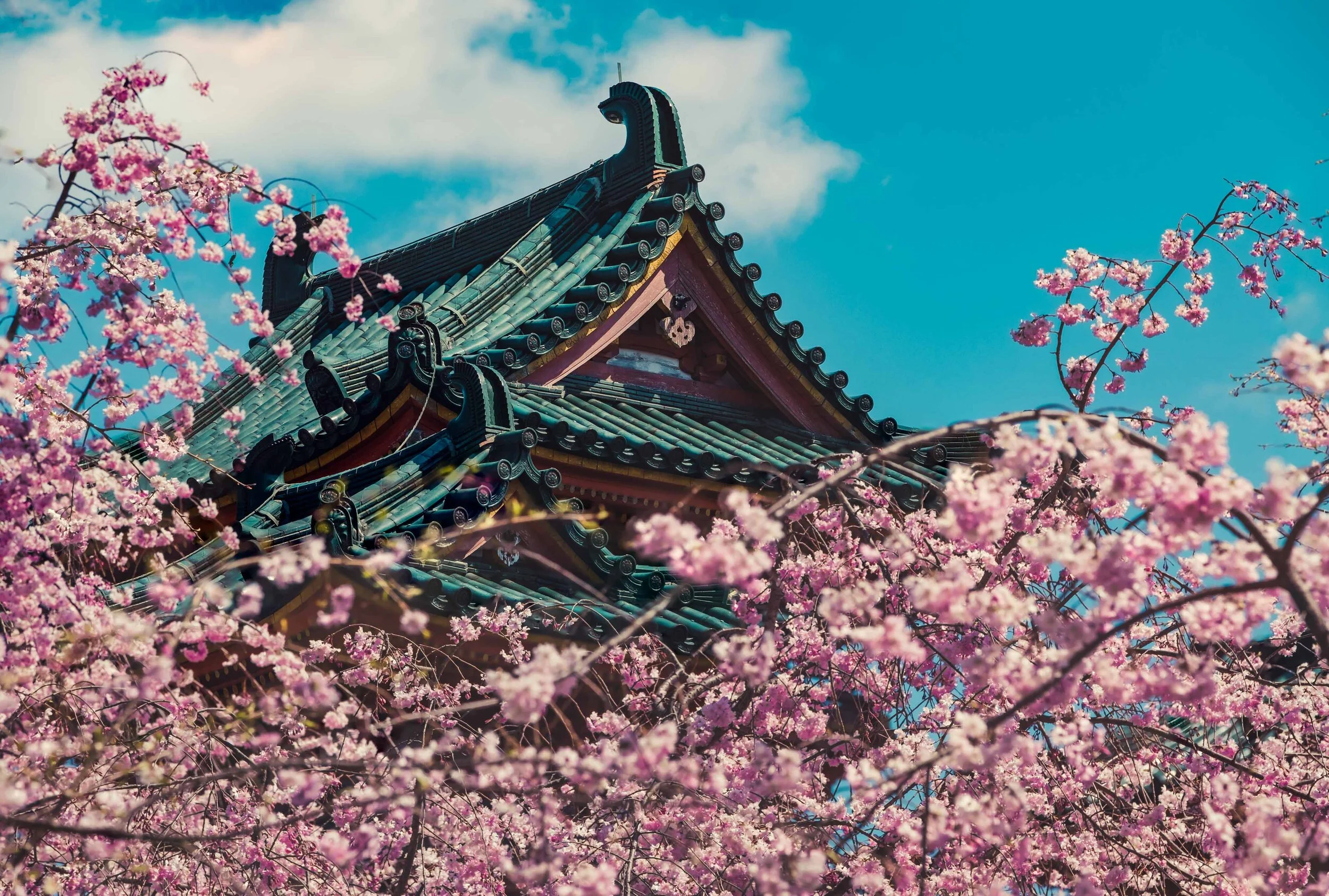
Cherry Blossom & Temple roof
Hunt for small details: Look closely at the friction of light hitting some mountains, the tonal range of light and shade or the geometry of a leaf.

Tohoku Japan

Tohoku, Japan
Capture the Details: Zoom in on the micro-patterns in everyday routines that everyone else scrolls past.
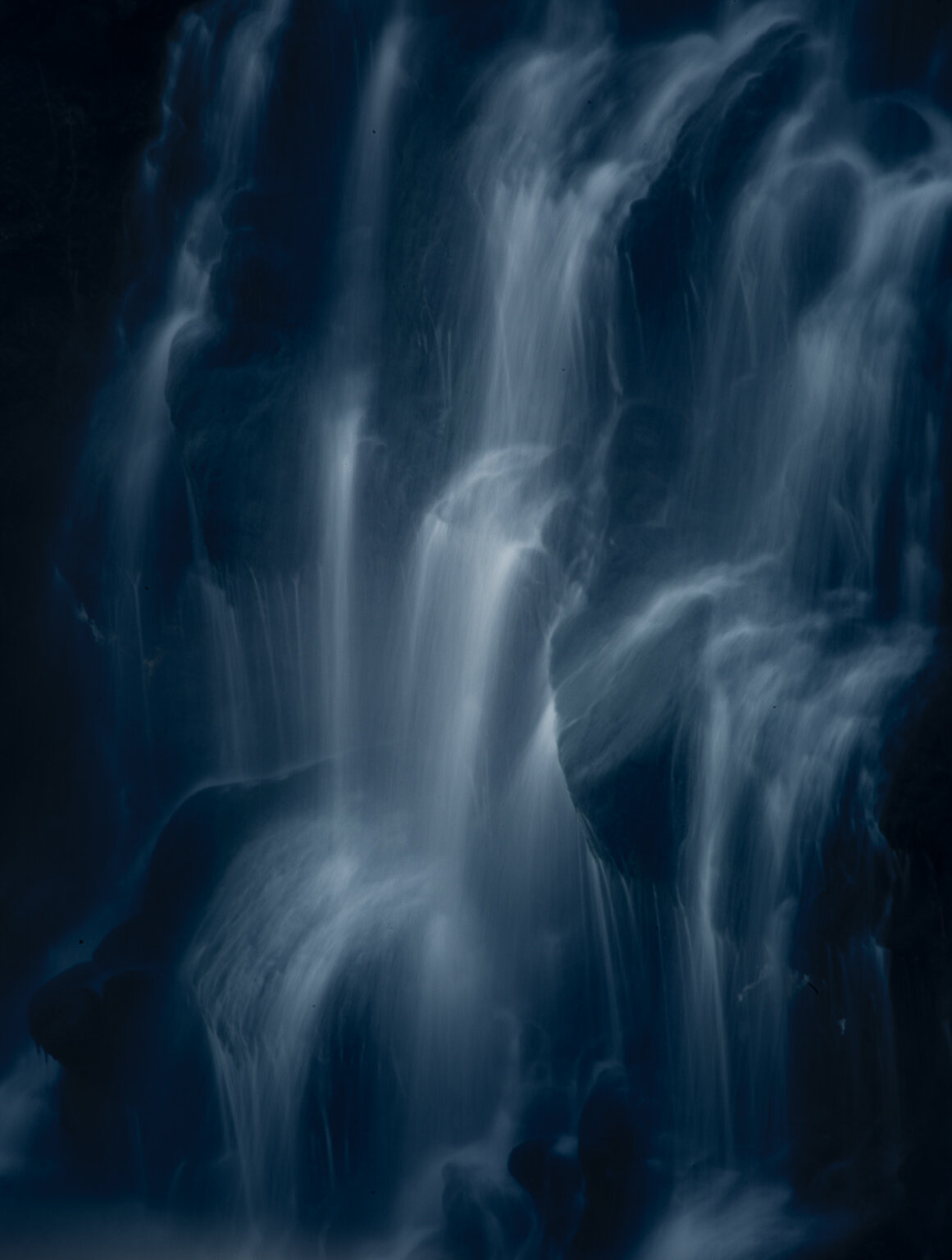
Hokkaido in Winter
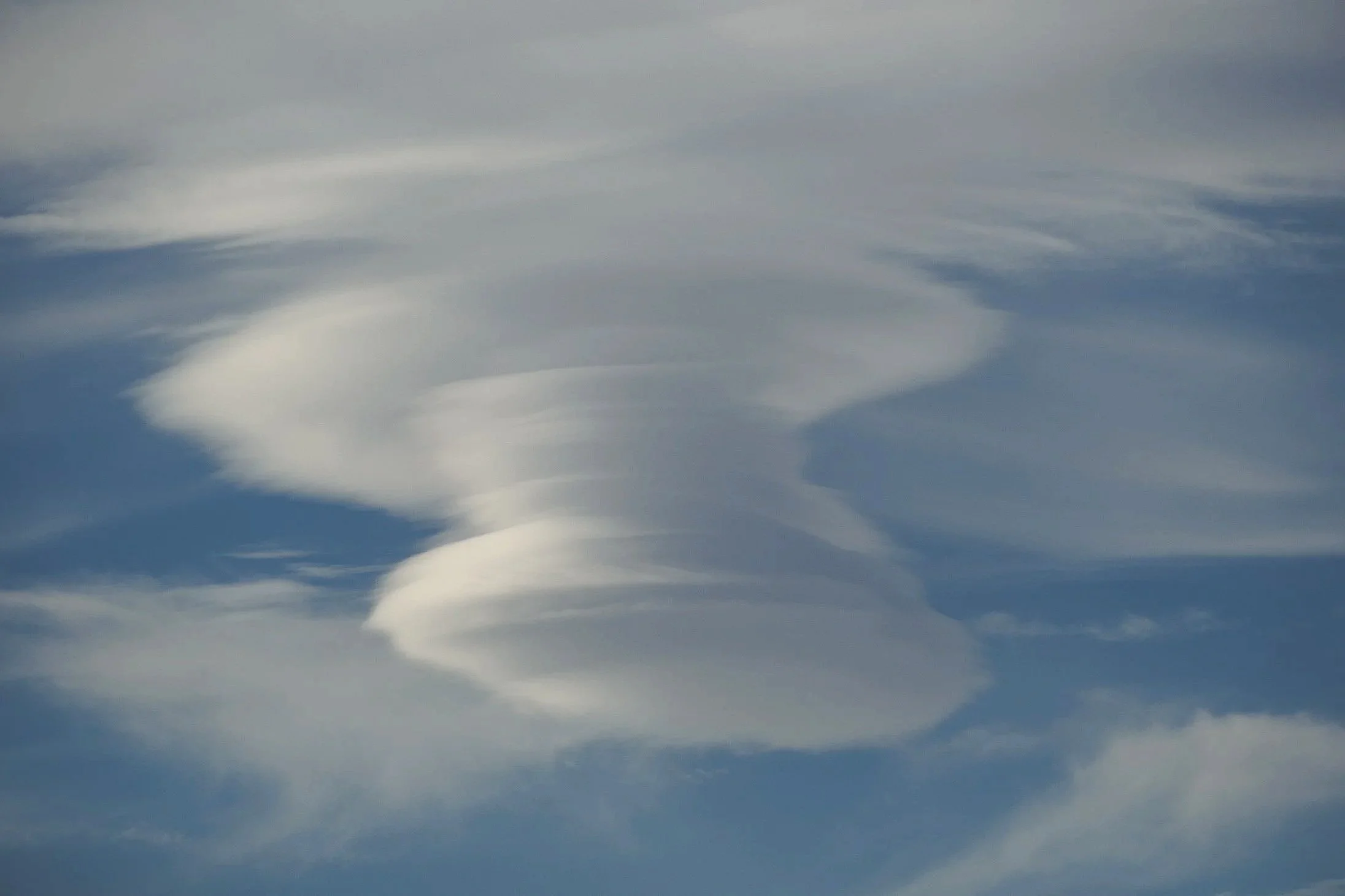
New Zealand Lenticular Cloud
Find awe in utility: Reflect on the hidden complexity of everyday things, like how clean water flows a river or how a wave splashes on a rock.
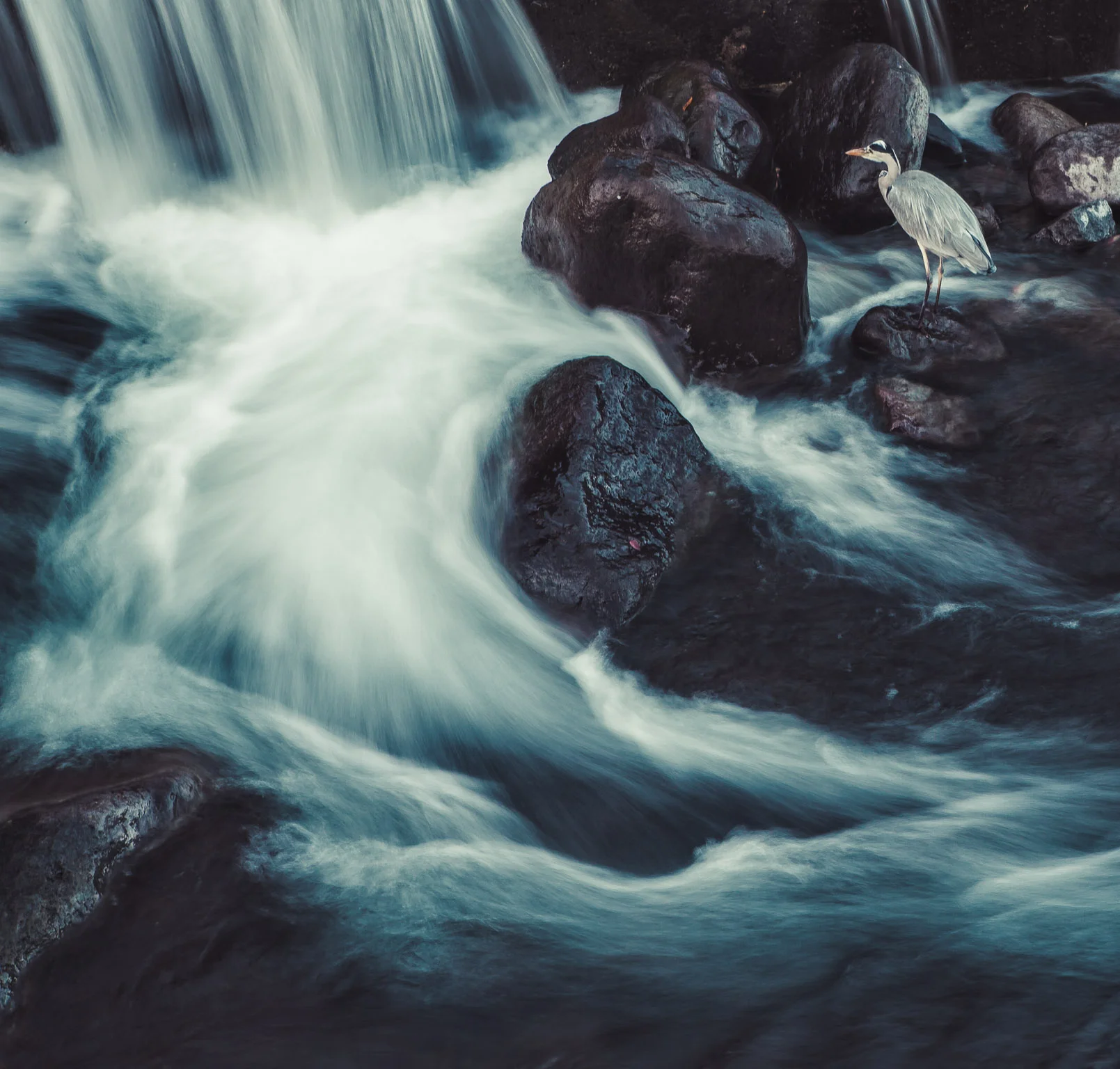
Heron Falls
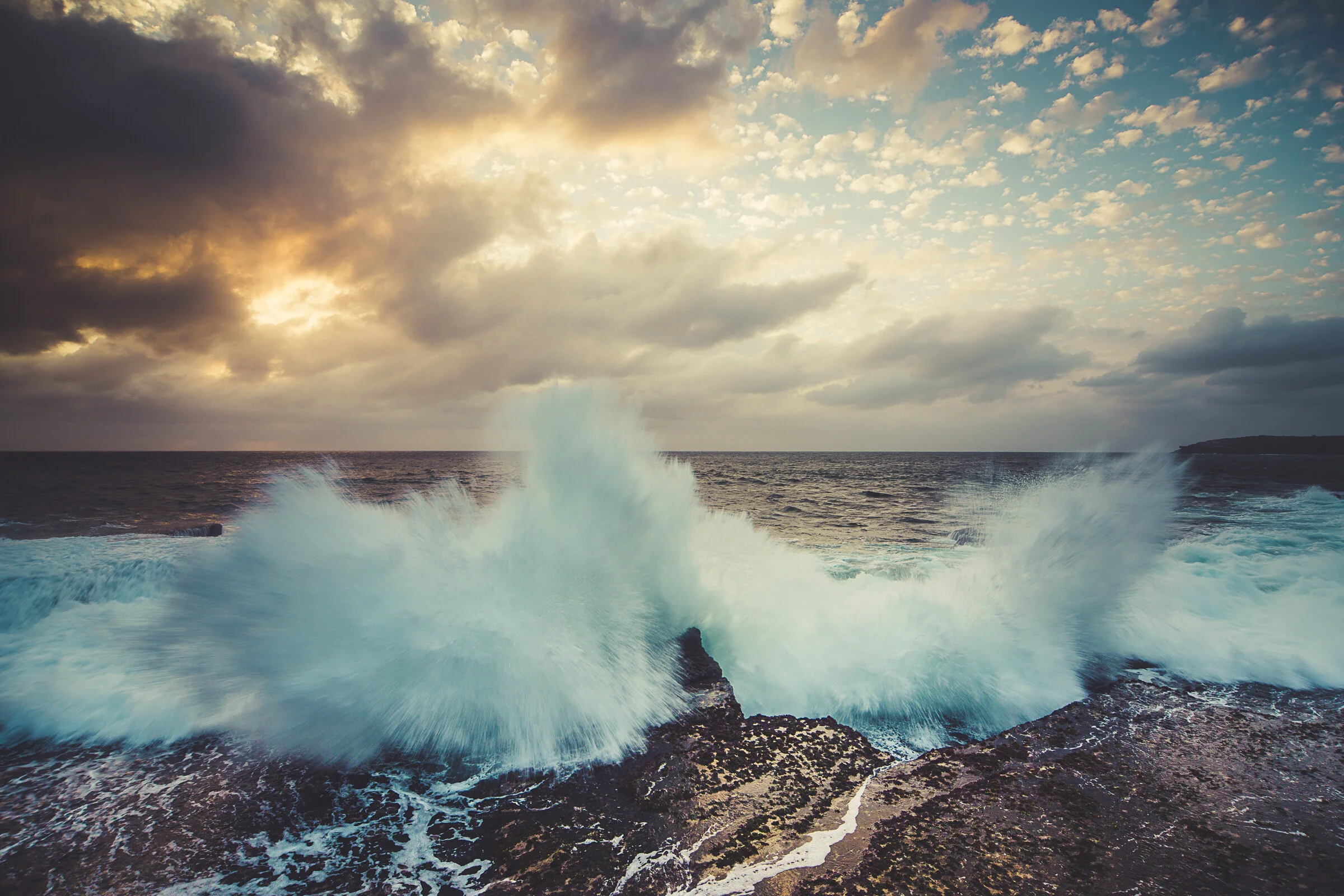
Waves splashing at sunrise
Document the mundane: Photograph, sketch, or write down one ordinary thing each day to force yourself to look closer. Walk down the beach and look for patterns.
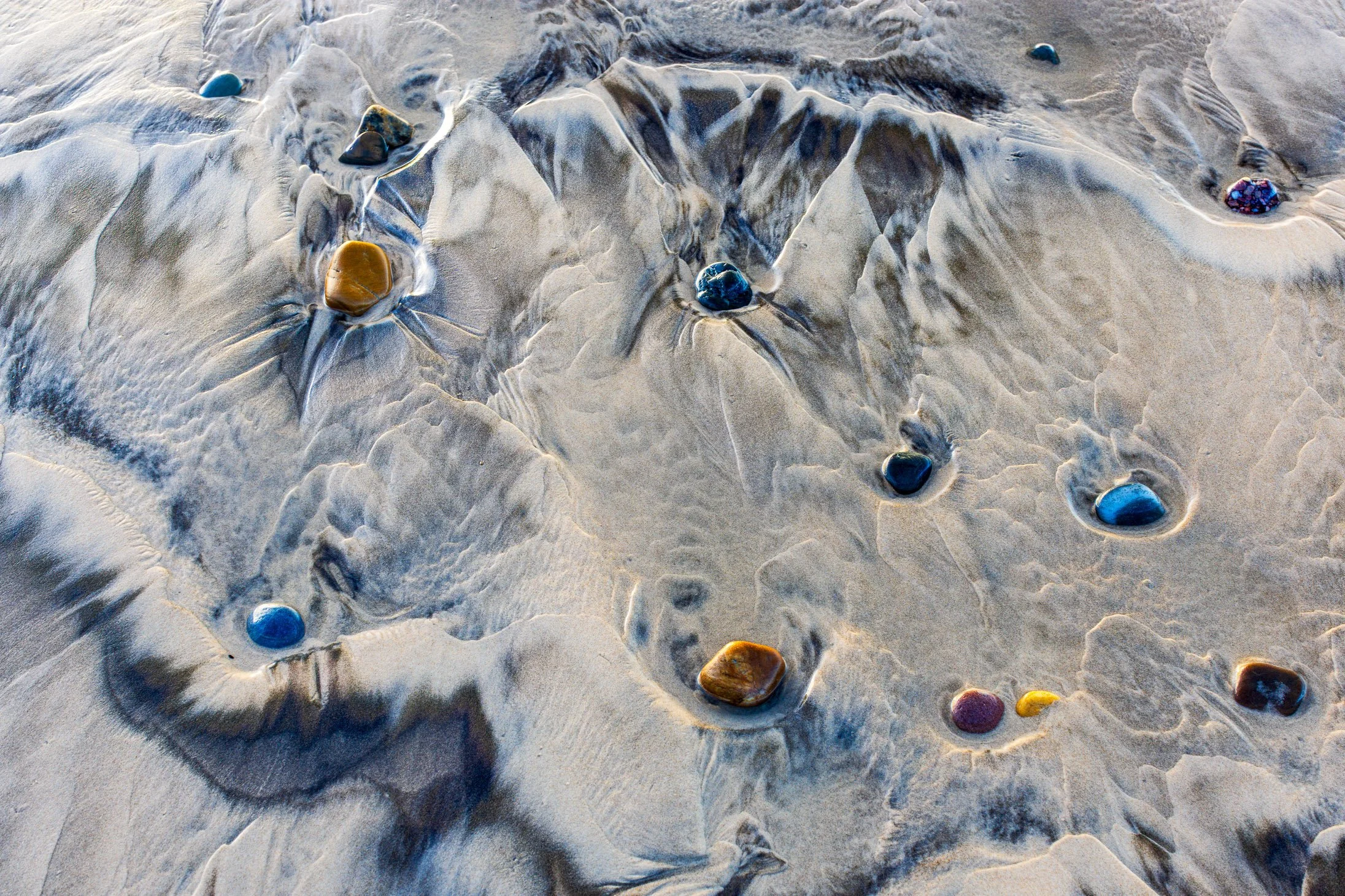
Rocks on a beach
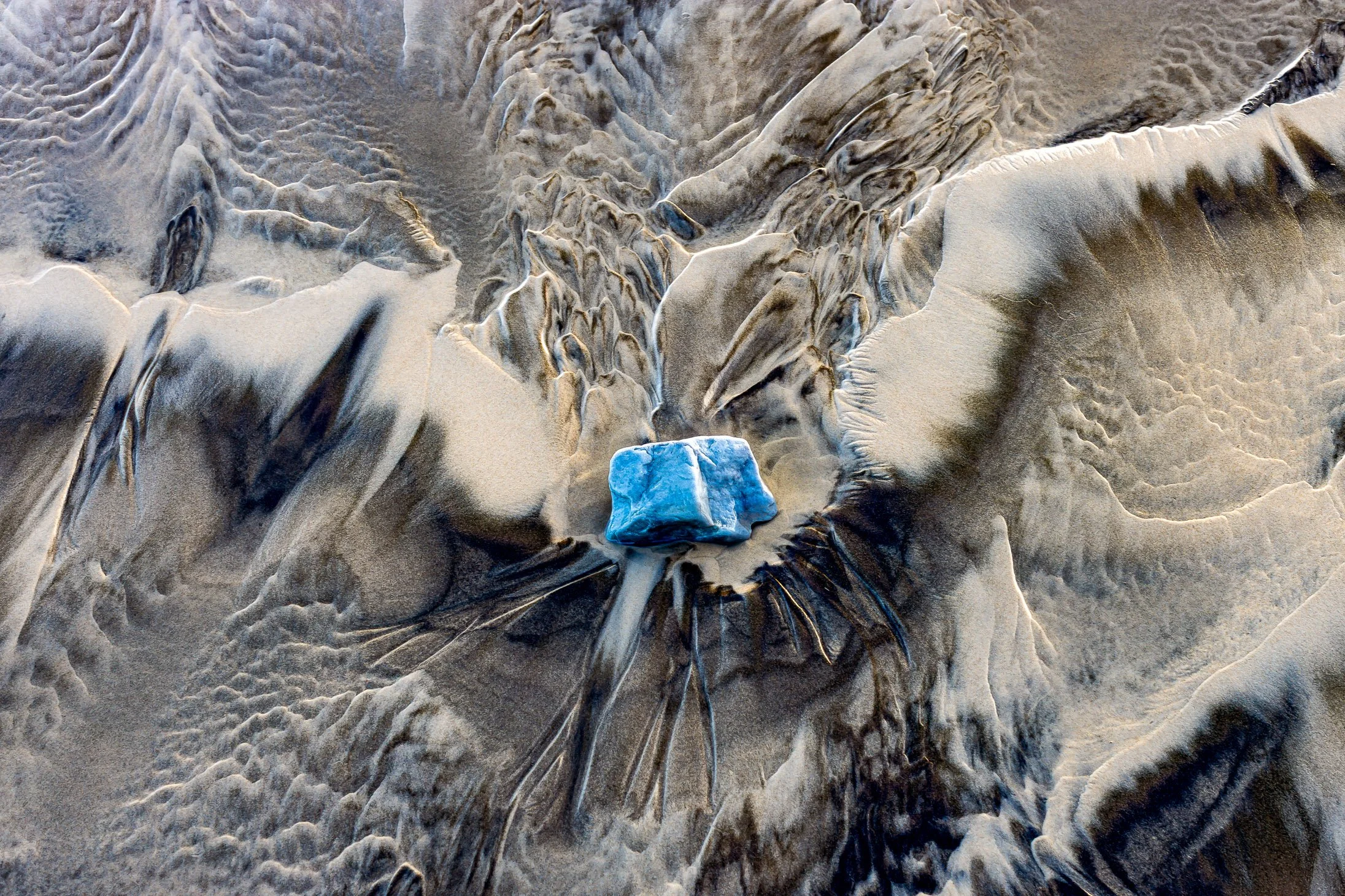
Eagle Rock
“Don’t Wait For Inspiration, It Comes While Doing.”
My Path To A Happy Career

Smartphone Courses
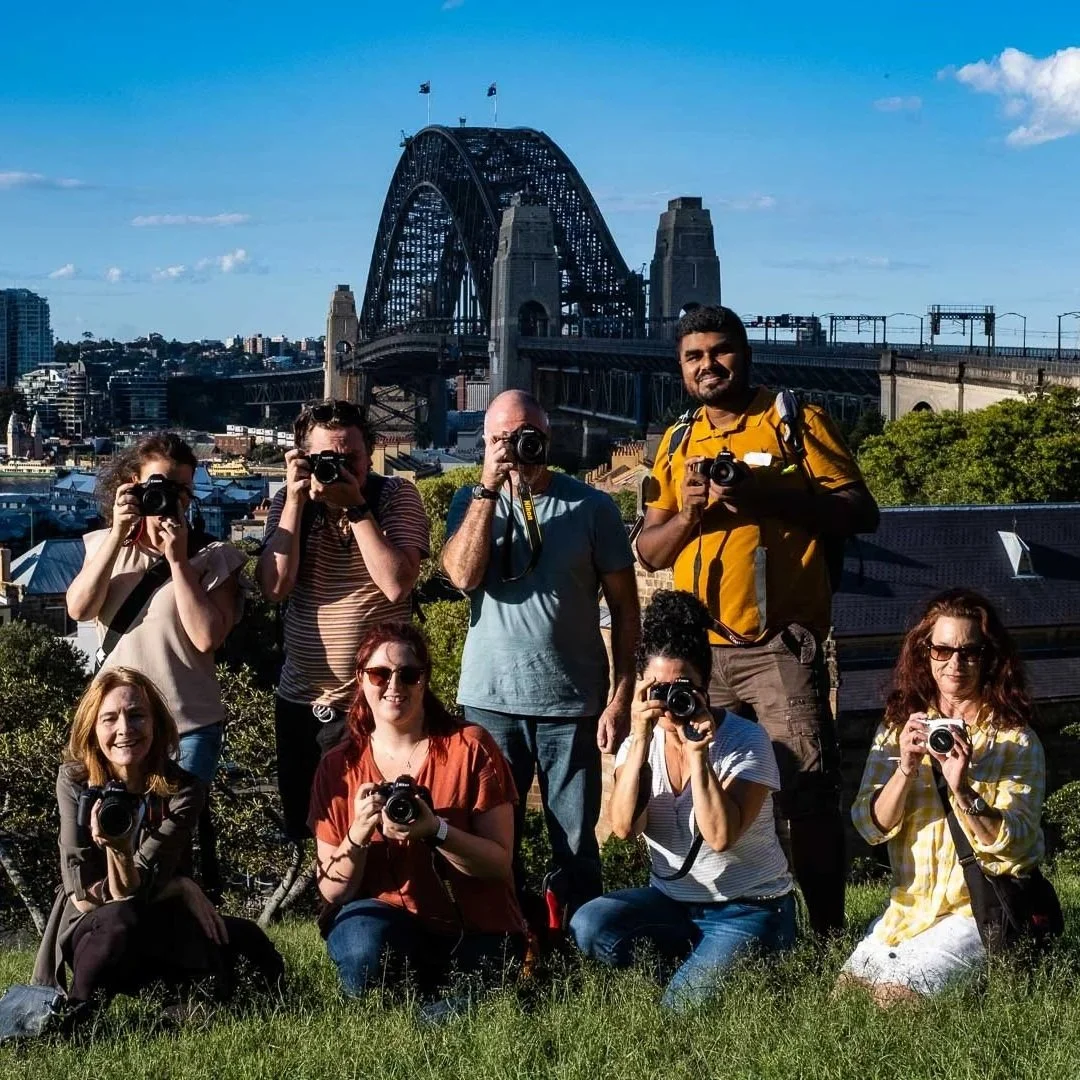
Digital Camera Courses
Our main aim is to pass on our passion for photography. Our 2–4 hour sessions will fast-track you to learning the basics and beyond.

Fremantle, Perth
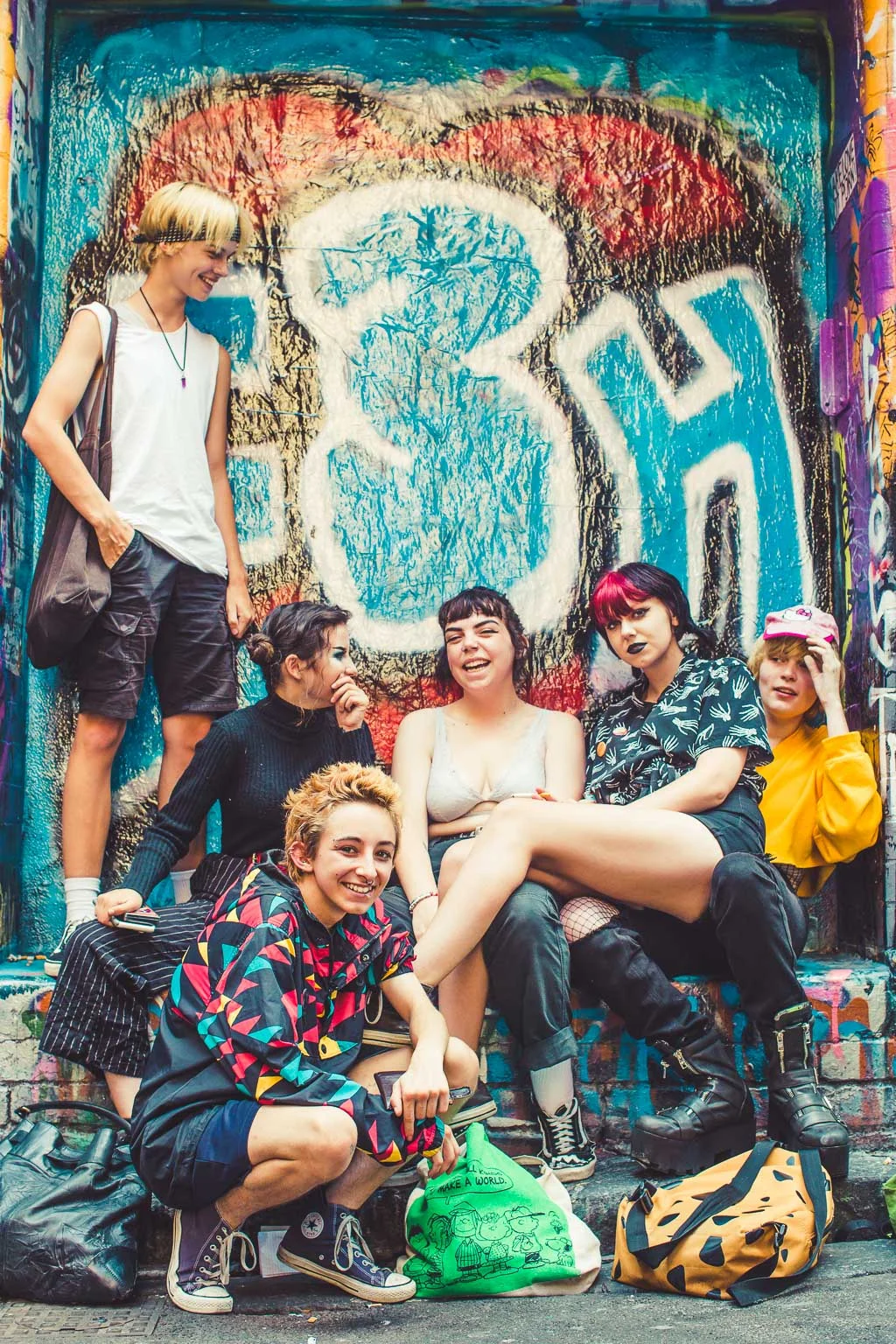
Melbourne Street Portraits
Gift Cards Also Available for all cities
Highlights include getting off auto mode and mastering composition, along with thought-provoking challenges to unleash your creativity and explore the technical capabilities of your camera or mobile.
Adelaide Night Photography
When you book a trip with Alfonso's Photo Tours, you deal directly with us. The business is run solely by me and my wife, *Ritsuko*.
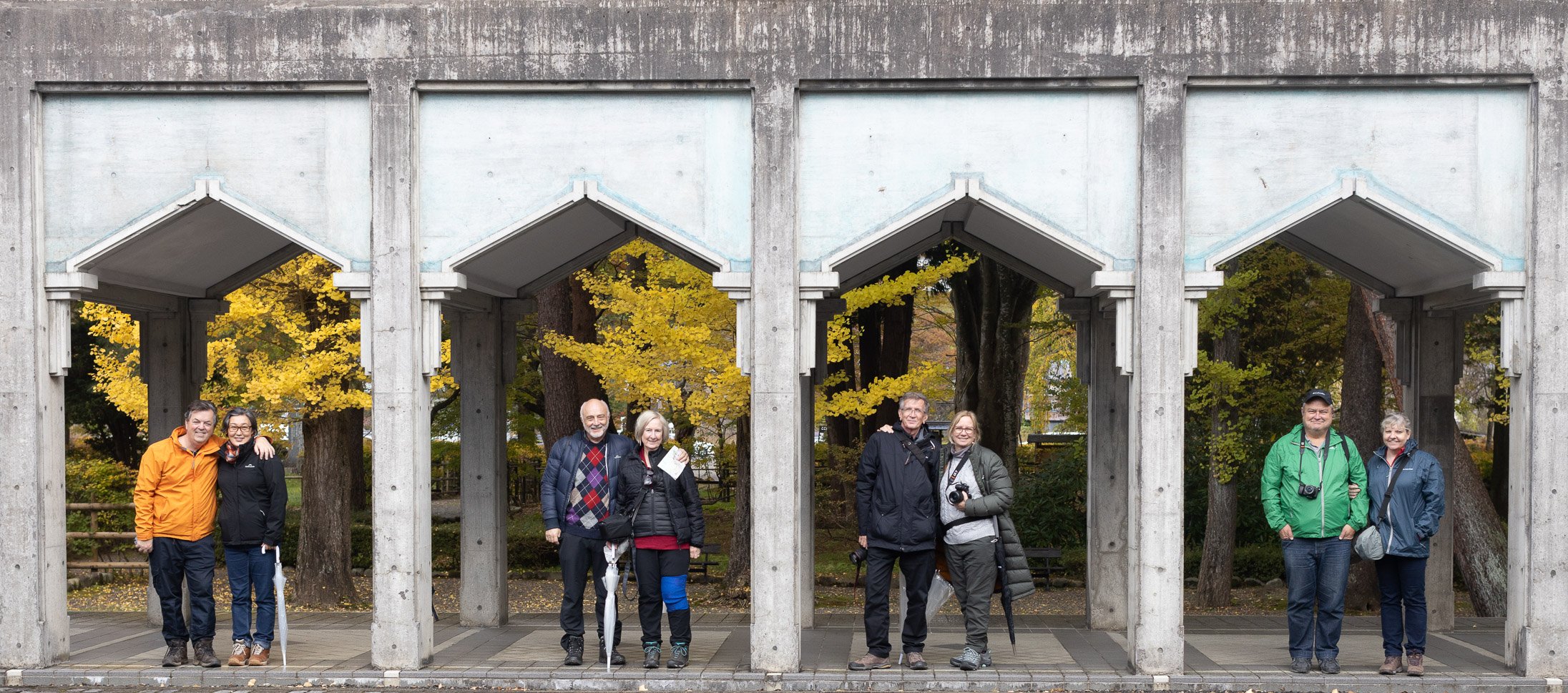
Six Max per small group
My identity as an Australian & Spanish-Filipino, combined with Ritsuko's Japanese heritage, is the exact reason we specialize in these destinations. Speaking Filipino, Spanish, and Japanese allows me to seamlessly bridge the gap between cultures.

Bohol, The Philippines
For us, taking you around Australia, Spain, the Philippines, or our second home in Japan isn't just about showing you beautiful landscapes—it's about sharing our family's identity and personal history with you.
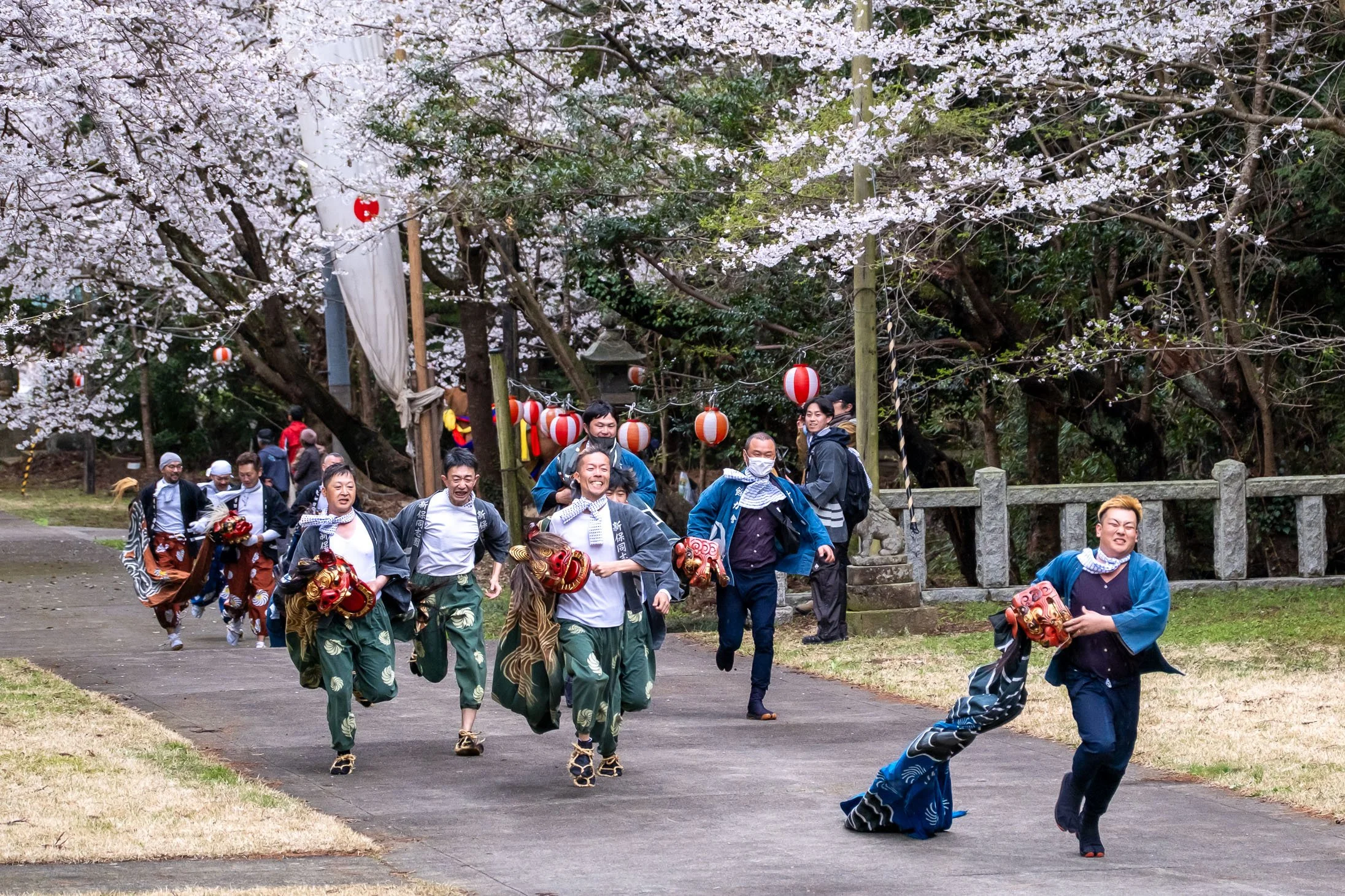
Sado Island Festival, Japan
I have also included the Faroe Islands while in Europe travelling Spain. A sovereignty of Denmark in the Atlantic Ocean below Iceland and above Scotland. With a small population of 50,000 + its idyllic for landscape photography. It also happens to have the largest minority group of Filipinos. Ritsuko and I have a fascination for small remote islands around the world. Once a year I also visit the South Island of New Zealand. Croatia is run by Peter Zuvela who is my long time friend who runs for me Fremantle Photography Tours.
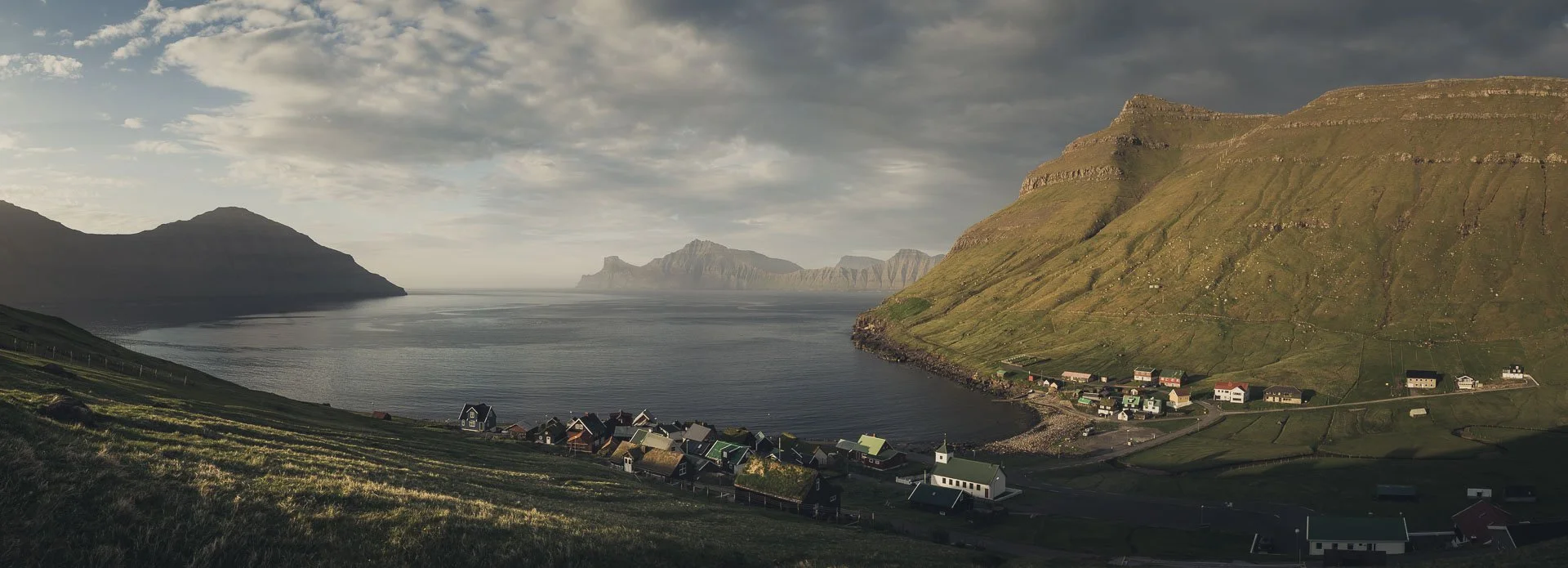
Faroe Islands
In conclusion, everything we do must be sustainable in every respect. It must help us grow as humans and connect deeply with every place we visit. Building relations with locals and repeat customers also contributes highly to all our learning adventures. Spending time and money on experiences will always fill our souls.
Here is a link to meet the rest of my awesome team of professional photo tutors.
Why Understanding Light is Paramount
Without light there is darkness. This article is just about using sun or moon light (no artificial light). Also known as ambient light it may light environments indoors or outdoors, undercover or in darker areas outside. This article does not involve any use of camera flash, it’s purely about the best free resource we have above us everyday. All types of camera users welcome.

Avoid the Mozzies
4 CHARACTERISTICS OF NATURAL LIGHT
Before you learn about the different types of light you first need to understand the characteristics within which sometimes gets confused as a type of light.
1. COLOUR TEMPERATURE
As the day progresses, the colour temperature of the light changes. The light is warmer in the morning and evening, and cooler in the midday sun. This is because the sun is lower in the sky in the morning and evening, and higher at midday. The lower the sun is in the sky, the more the light has to travel through the atmosphere, which filters out the blue light and makes the light warmer.
When the sun is higher in the sky, the light is less filtered and has a higher colour temperature. This is why the light is cooler in the midday sun.

Warm Colour & Soft/Diffused Light (Uluru Sunset)
As a photographer, you can use this to your advantage. Warm light is great for creating a cozy, intimate feeling, while cool light can add a fresh, vibrant feel to your photos. Experiment with different times of day to see how the light affects your photos.
As the seasons change, so does the quality of natural light. In the winter, the sun is lower in the sky and its light has a blue tint to it. This blue light creates cool, crisp images. In the summer, the sun is higher in the sky and its light is more yellow. This warmer light creates softer, more relaxed images.

Kata Tjuta
2. INTENSITY
As a photographer, one of the most important things to understand is how to use light intensity to create contrast. This can be done by harnessing the light and using balance between the shadows and highlights.
Light intensity is useful for photographers because it can help to create contrast in an image. This is done by using the light to create shadows and highlights. The shadows can be used to create depth and dimension in an image, while the highlights can be used to create a sense of light and airiness.
When using light intensity to create contrast, it is important to find a balance between the two. Too much light can wash out an image, while too little light can make it appear flat. Finding the right balance will allow you to create images that are full of contrast and interest.

Intensity of Light/Harsh Dark Shadows (Spinifix Bush)
3. QUALITY
Light is one of the most important aspects of photography, and the quality of light can make or break a photo. The light can be hard or soft, and each has its own advantages and disadvantages.
Hard light is direct and intense, and it can create dramatic shadows. This type of light is often used in portraiture, as it can create a sense of depth and dimension. However, hard light can also be harsh and unflattering, so it's important to use it sparingly.
Soft light is diffused and gentle, and it can be very flattering. This type of light is often used in fashion photography, as it can make the subject look their best. However, soft light can also be too subtle and lack depth.
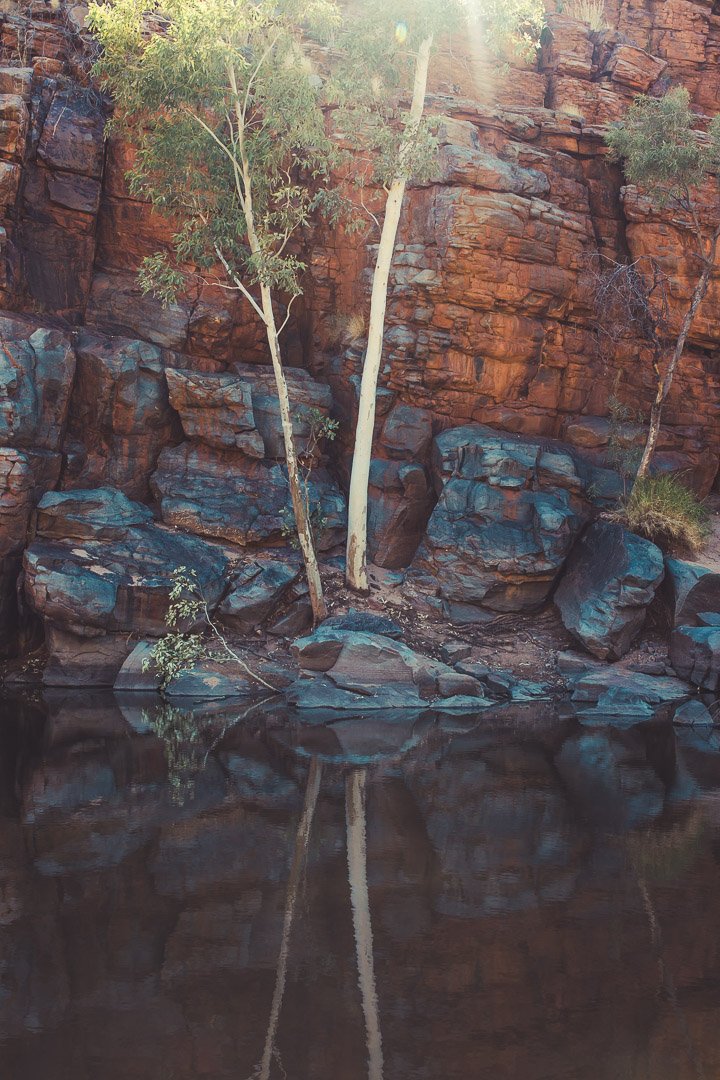
Mixed Quality Reflected/Diffused/Warm Colours (Ormiston Gorge)
4. DIRECTION
Direction of light is a term used to describe the position of the sun in relation to the subject being photographed. The angle of the sun relative to the subject will determine the direction of light, and this can be a useful tool for photographers to use when trying to create certain looks in their images.
When the sun is high in the sky, the light will be more direct and will create harsher shadows. This can be used to create contrast and drama in an image. If the sun is lower in the sky, the light will be more diffused and will create softer shadows. This can be used to create a more gentle and romantic look in an image.
Knowing how to use the direction of light to your advantage can help you create the type of image you envision. Pay attention to the time of day and the position of the sun to control the direction of light in your photos.
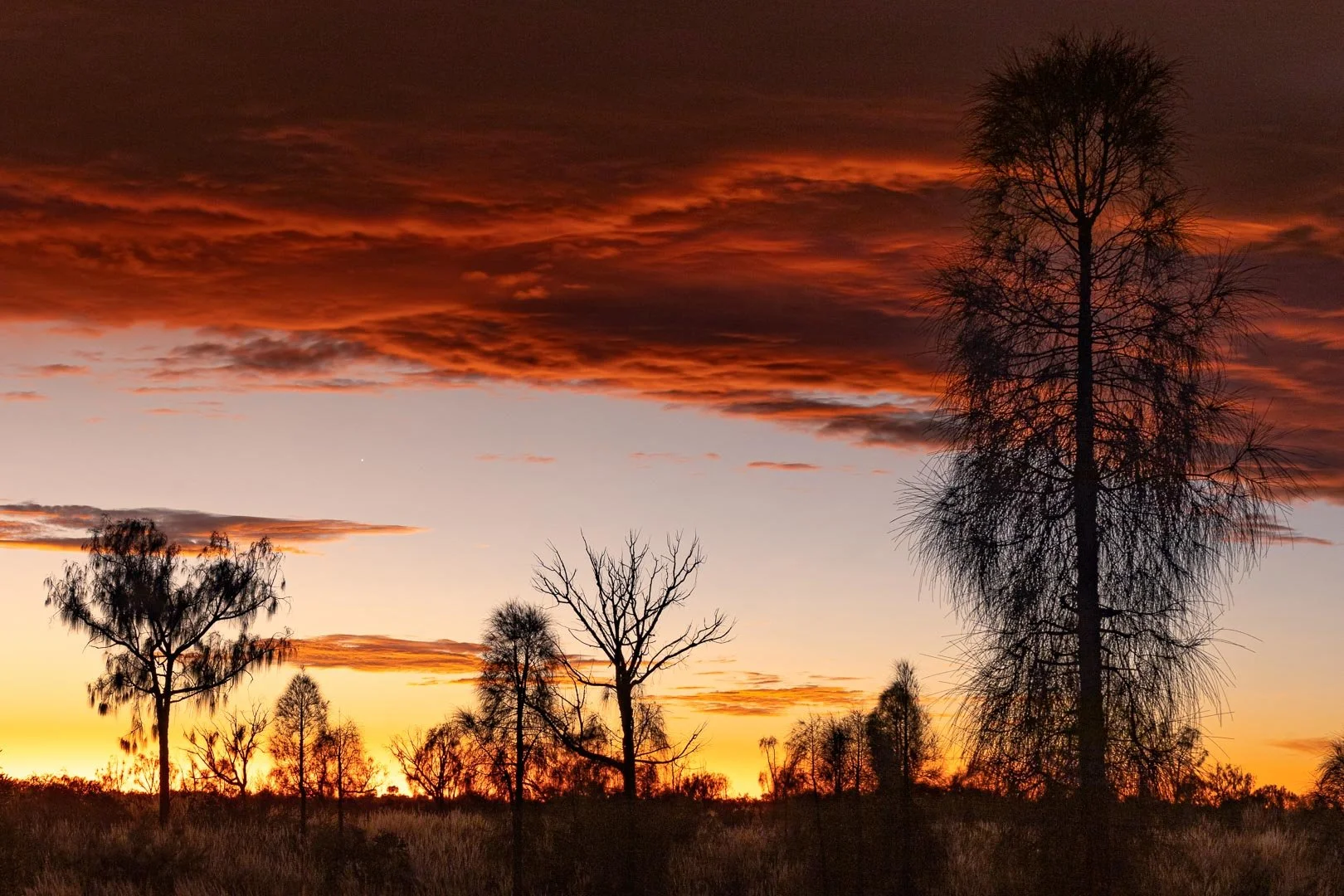
Direct Diffused Glow (Uluru Sunrise)
TYPES OF LIGHT
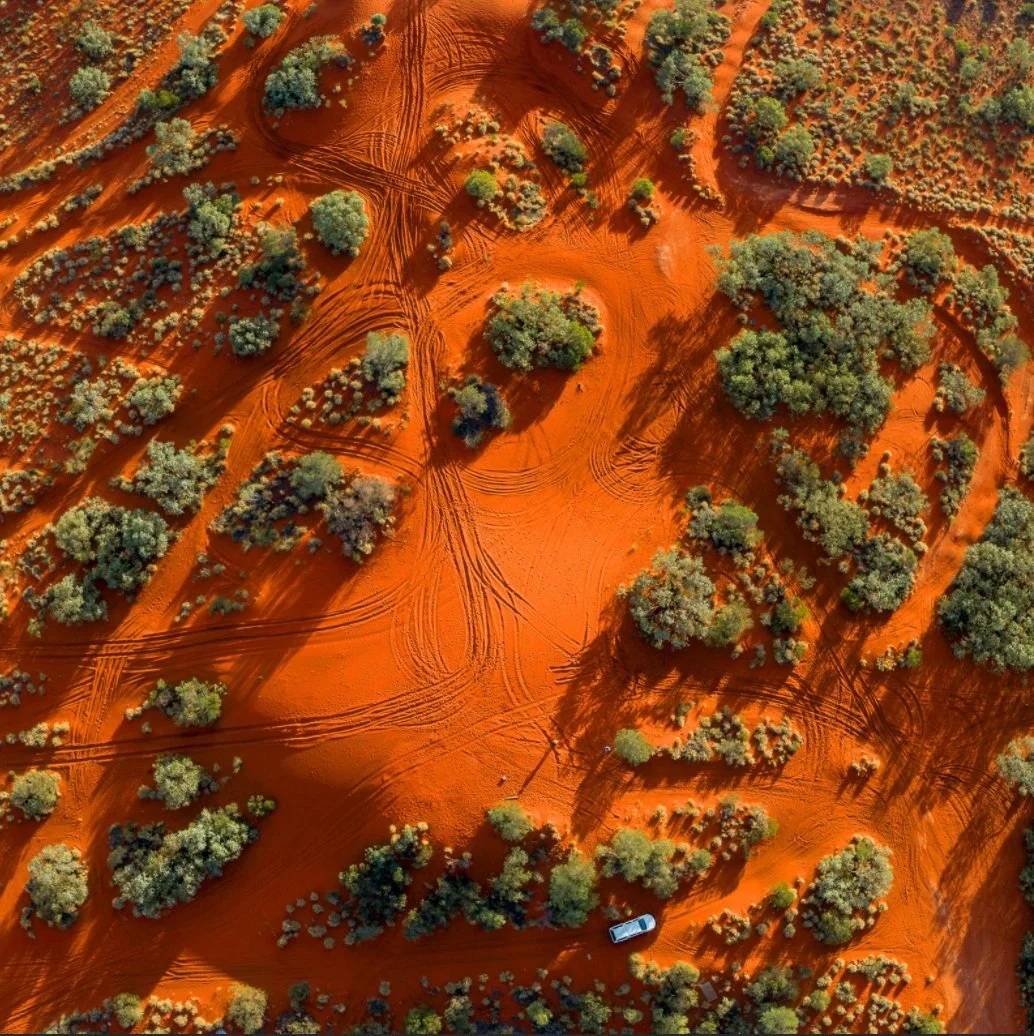
Hard/Direct Light (Drone Shot Alice Springs)
1. Hard/Direct Light
Hard or direct light is harsh and can create deep shadows. It is often associated with midday sun. This type of light can be difficult to work with, but can also create some interesting effects. If you are photographing in hard light, be sure to pay attention to the shadows that are being cast.
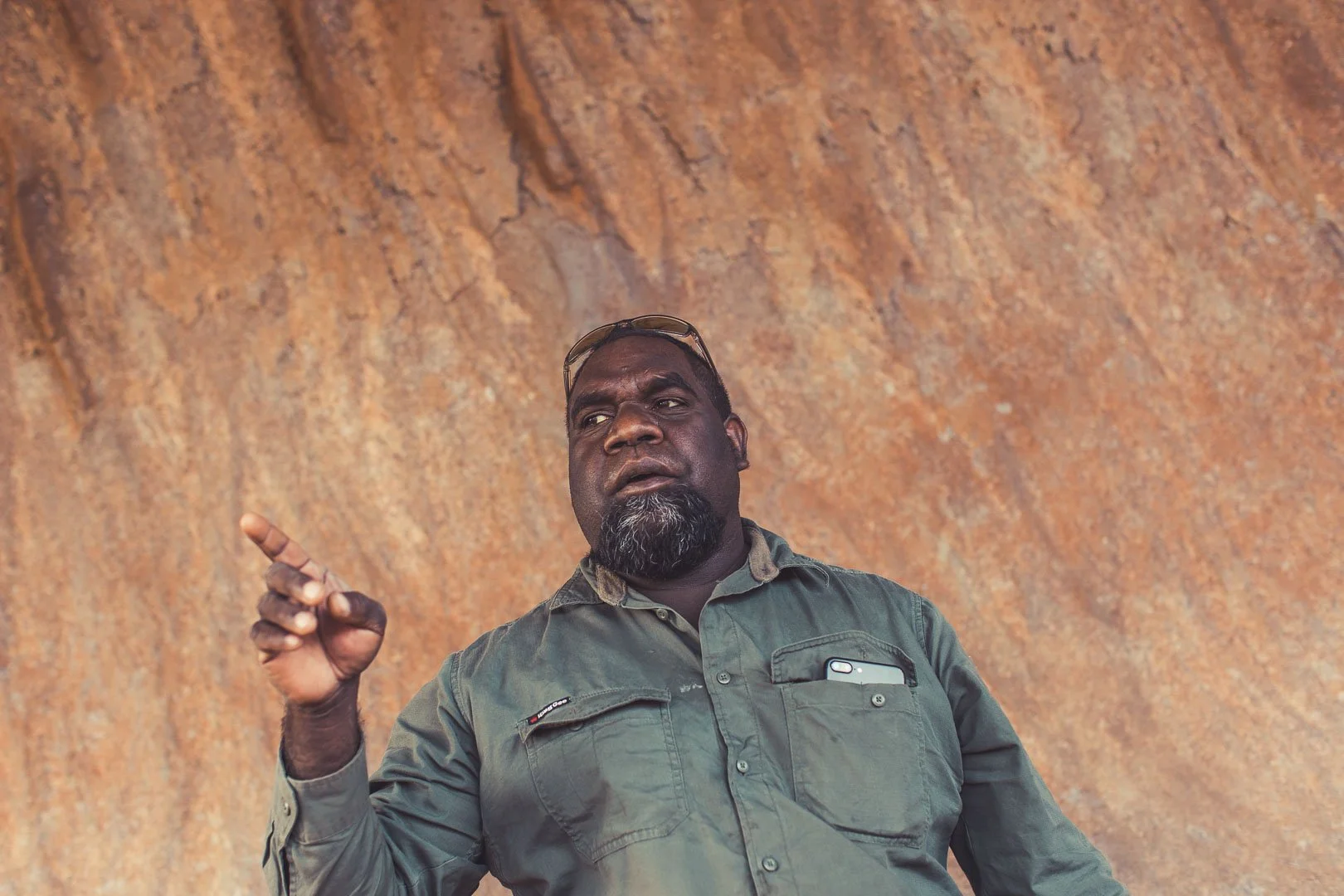
Soft/Diffused Light in the shade (Anangu Guide Uluru)
2.Soft/Diffused Light
Soft or diffused light is much more gentle than hard light. It is often associated with cloudy days or the light that filters through trees. This type of light is much easier to work with and can create some beautiful images.

Water reflection
3.Reflected Light
Reflected light is light that has bounced off of another surface. This can be the light that reflects off of a lake or the light that bounces off of a white wall. This type of light can be very beautiful, but can also be very unpredictable.

Indoor Natural Window Light (Alice Art Portraits)
4.Window Light
Pay very close attention to the characteristics (listed above) of light entering the room. Turn off any artificial light sources. Choose the best time of day to portray the best characteristic you are after. Always check the angle of the light and whether or not you can control its intensity as well after you have chosen the time of the best suited and of course conducive weather forecast (sunny/overcast/rainy)

Dappled Light (Uluru Tree Shadow)
5.Dappled Light
Dappled light is the result of sunlight that has been filtered through tree leaves and projected on a nearby surface. It casts interesting shadows on your subject and could make your image more compelling. It can also be the natural shaping through a material casting a mix of highlights and shadows.

Twilight at Kata Tjuta
6.Twilight
Twilight is the transition between day and night (before the sun rises or after it sets) and always has a cool color, has low contrast, and is soft/diffused.
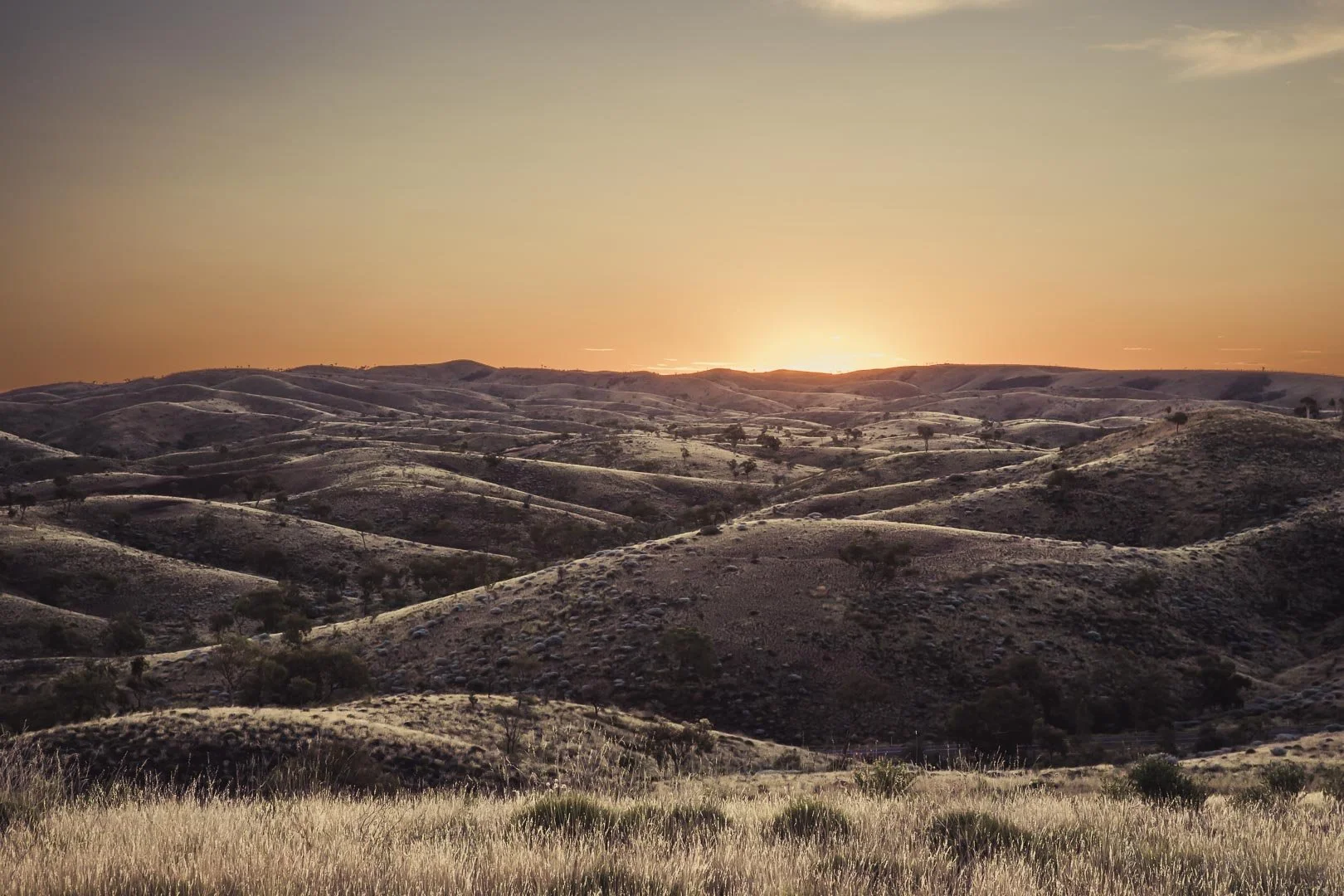
Civil Twilight
Civil Twilight is the time of day just after the sun has set or risen. Often the brightest and most intense light if its cloudless. Be careful not to blind yourself. Nautical twilight is the time of day just before the sun rises or sets. Also known as dawn or dusk Sometimes also referred to as the blue hour or just a few minutes of blueness when the colour temperature is lower than normal. It is also known as the best time to capture full moon silhouettes.

Nautical Twilight. Field of Lights Uluru
Astronomical twilight is the time of day when the sun is just below the horizon. Best suited to Astrophotography photographing the night sky such as the Milky Way and the moon. You can also use the moonlight to light the landscape in dark locations with no light pollution.

Uluru Astrophotography
3 LIGHT ANGLES
1.Front Lit
A subject is front lit if the light is behind you and is directly hitting your subject.. Light coming from this direction will partially or fully eliminate shadows.

Uluru
2.Side Lit
A subject is side lit if the light hits the subject from the left or right side, adding drama and emphasizing texture.

Uluru
3.Back Lit
Conversely, a subject is considered backlit if the light is coming from behind the subject, which can produce a glow, silhouette, shadow, or light flare.

Uluru
The Art of Unposed Portraits: Why Conversation Beats Direction
The video linked below is an in-depth look as to how how I approach street photography (no permission) or street portraits (with permission).
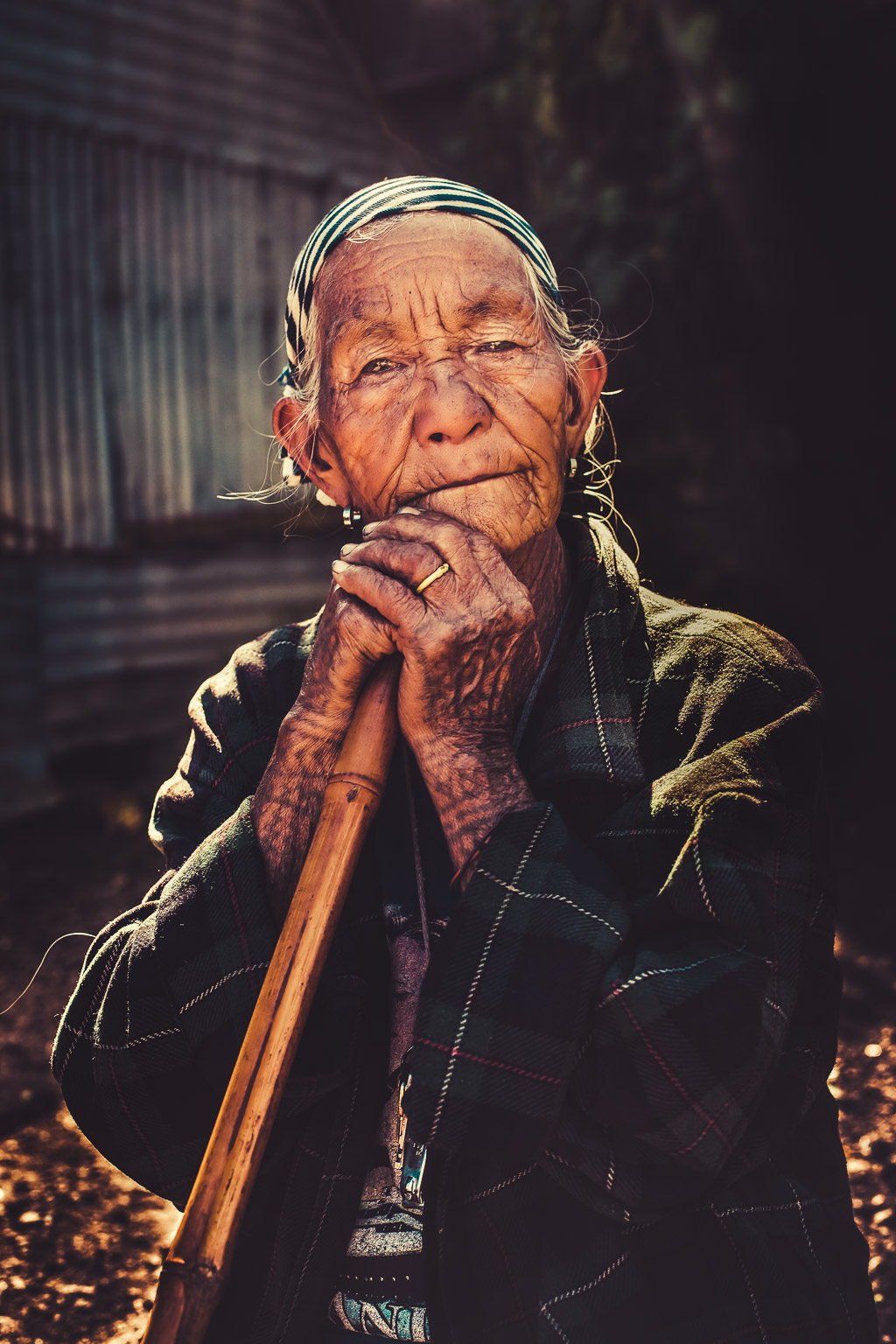
When it comes to portrait photography, I’ve found that the best shots happen when the camera becomes practically invisible. I usually shoot hand held and my favourite focal length is a 50mm. On a smartphone iphone or android I prefer to use the x1 or x2 lens.
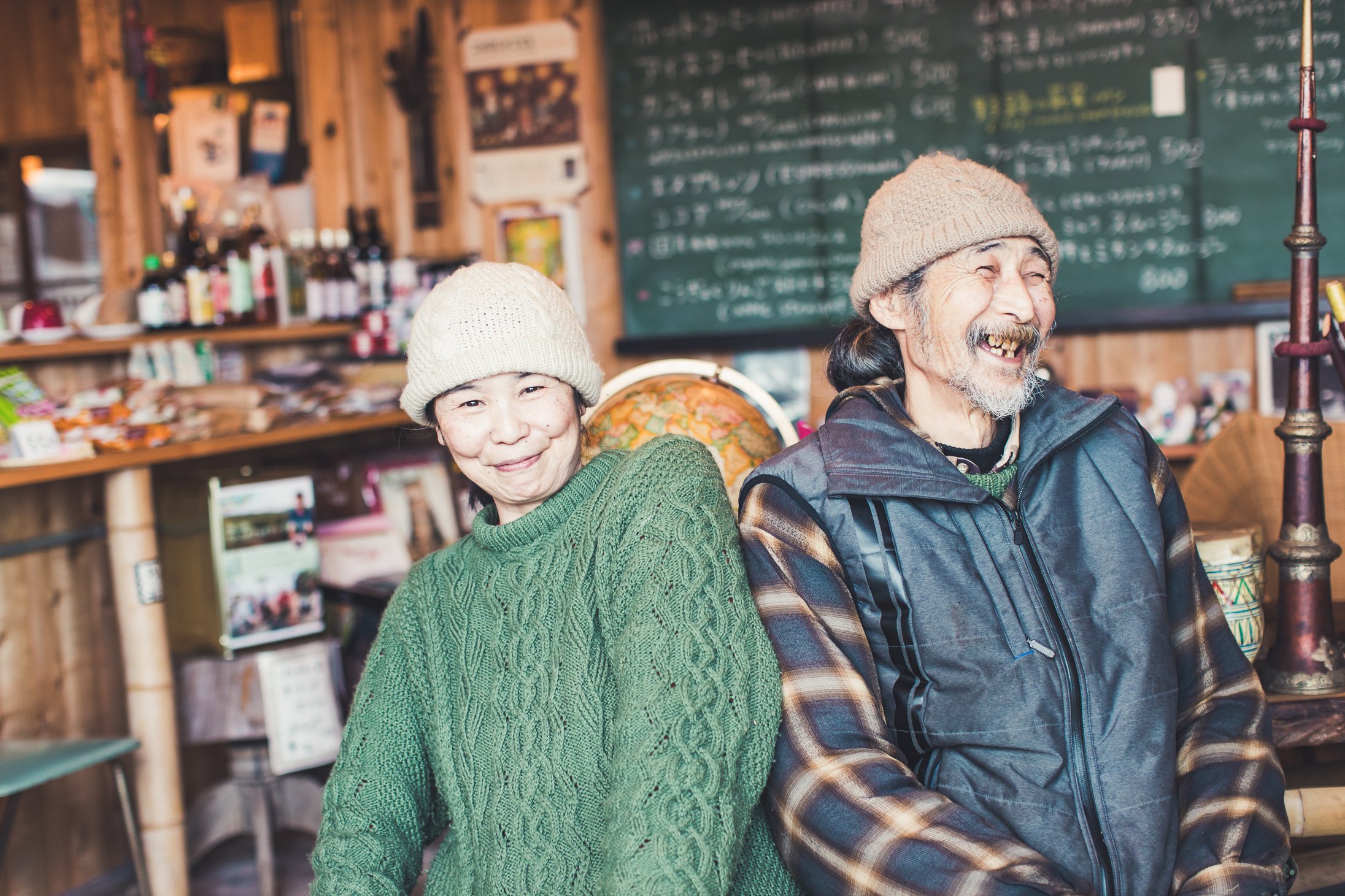
Sado Island Portrait - Cafe Owners
My preferred approach is simple: I sometimes also set my camera on a tripod, sit across from the subject, and just talk. By tapping the screen on live view while we chat, I can capture completely natural, relaxed moments without disrupting the flow. I avoid heavy direction altogether—my goal is to draw out authentic expressions that feel genuine, not set up.
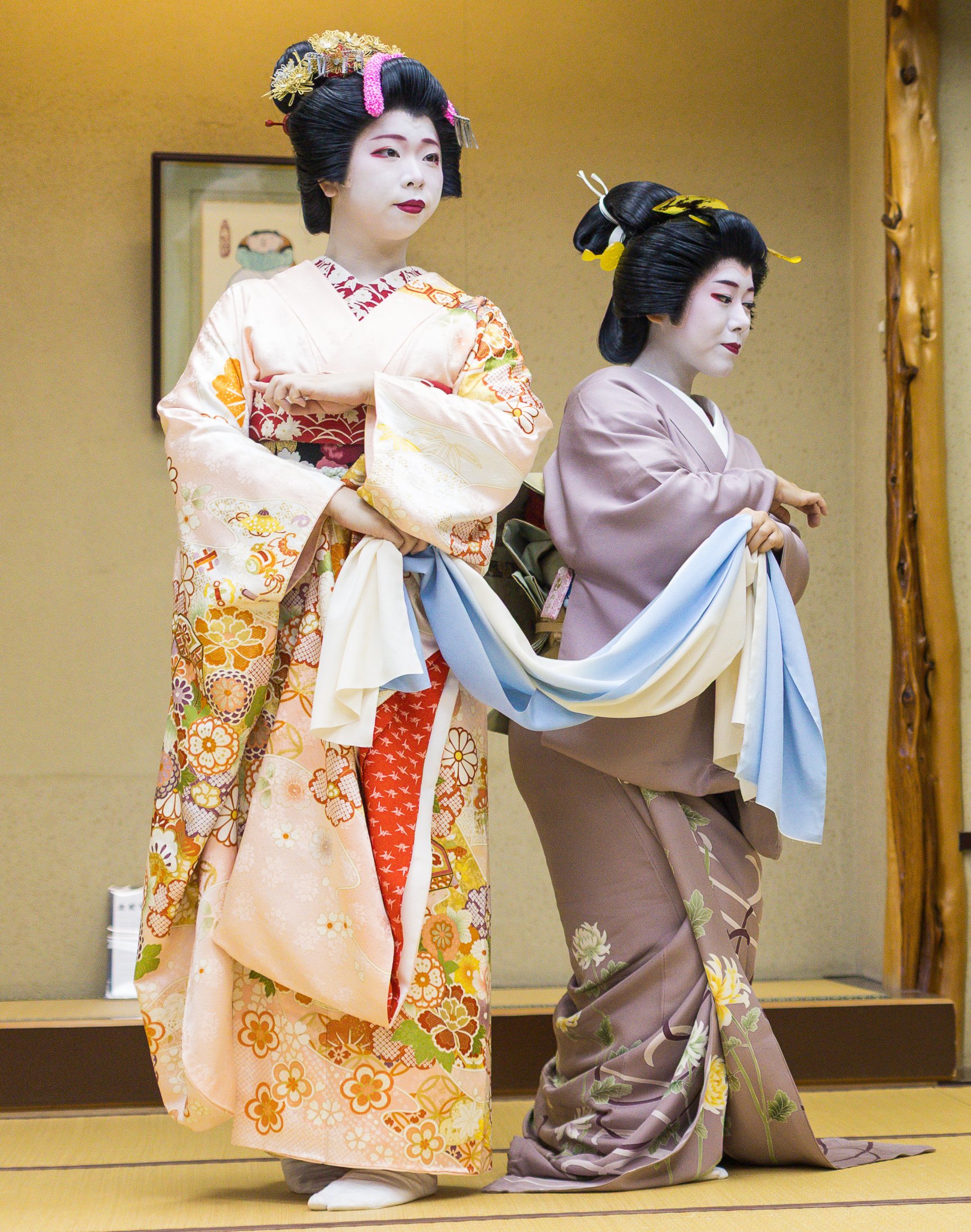
Geisha Performance
One of my favorite techniques is running a short video interview during the shoot. When the sitter focuses on answering real questions, they forget about the lens entirely. We plan our questions in advance, but the magic lies in reacting quickly to their spontaneous responses.
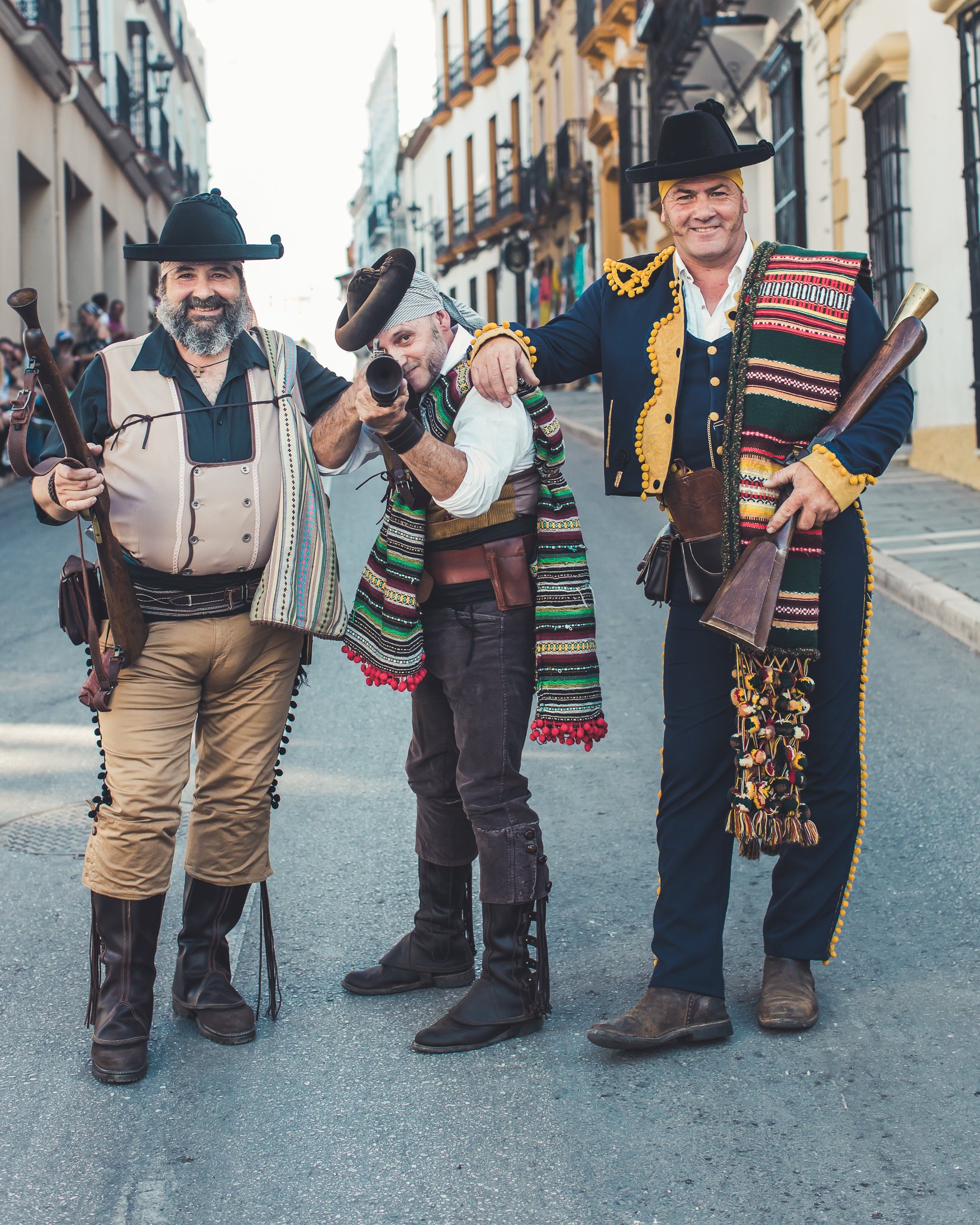
Ronda Festival, Spain
Capturing Micro-Expressions
A fast shutter speed is essential here. It’s amazing how the human eye often feels an emotion a fraction of a second before it fully registers on a face. It takes a bit of anticipation—reading their energy and giving their personality room to show itself.
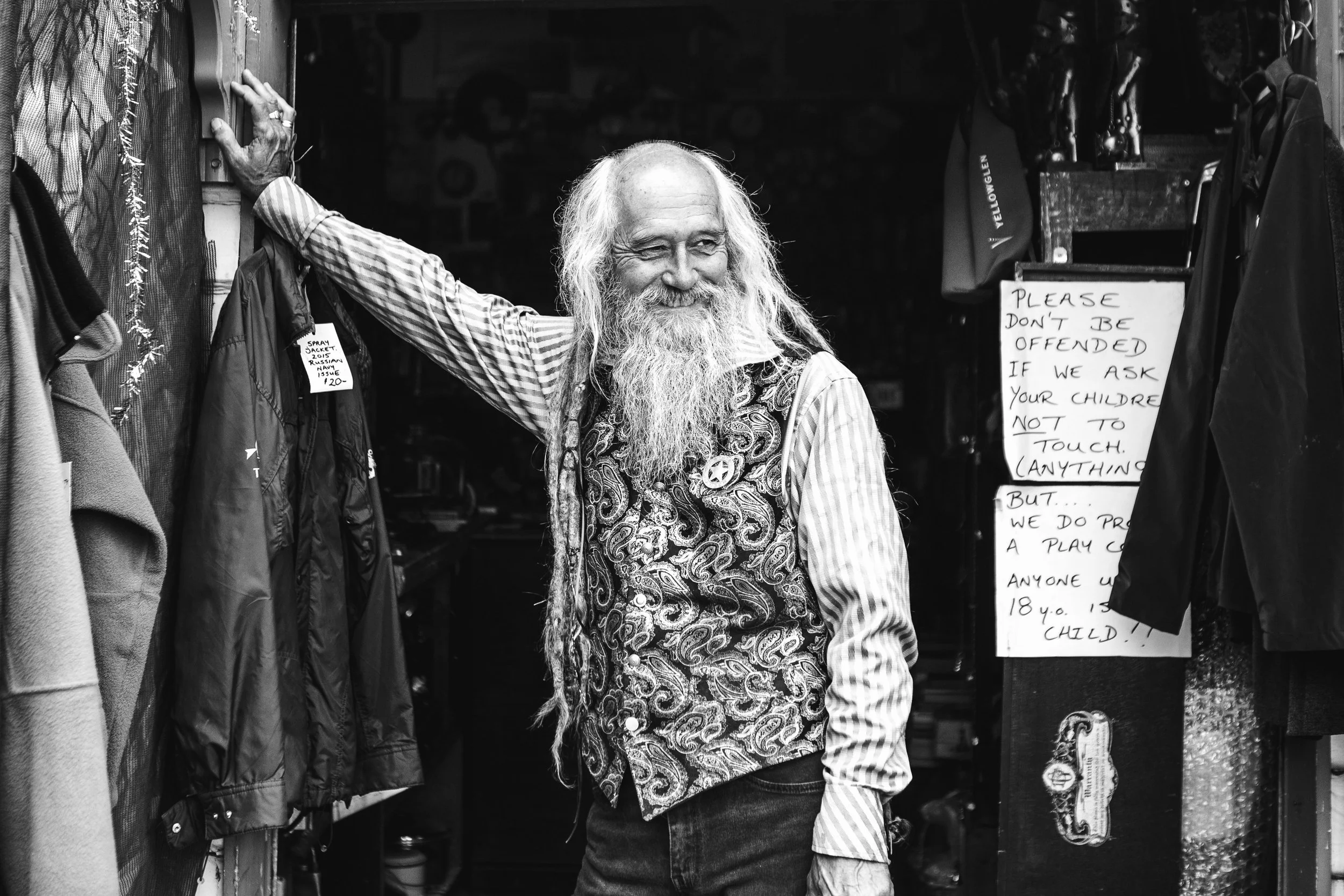
Tasmanian Local
To make it all work, environment is everything. Putting on a playlist they love or offering a relaxed drink goes a long way toward breaking the ice and opening the door to those unexpected, candid moments. Natural light works best in the shade. If indoors, window light works well.
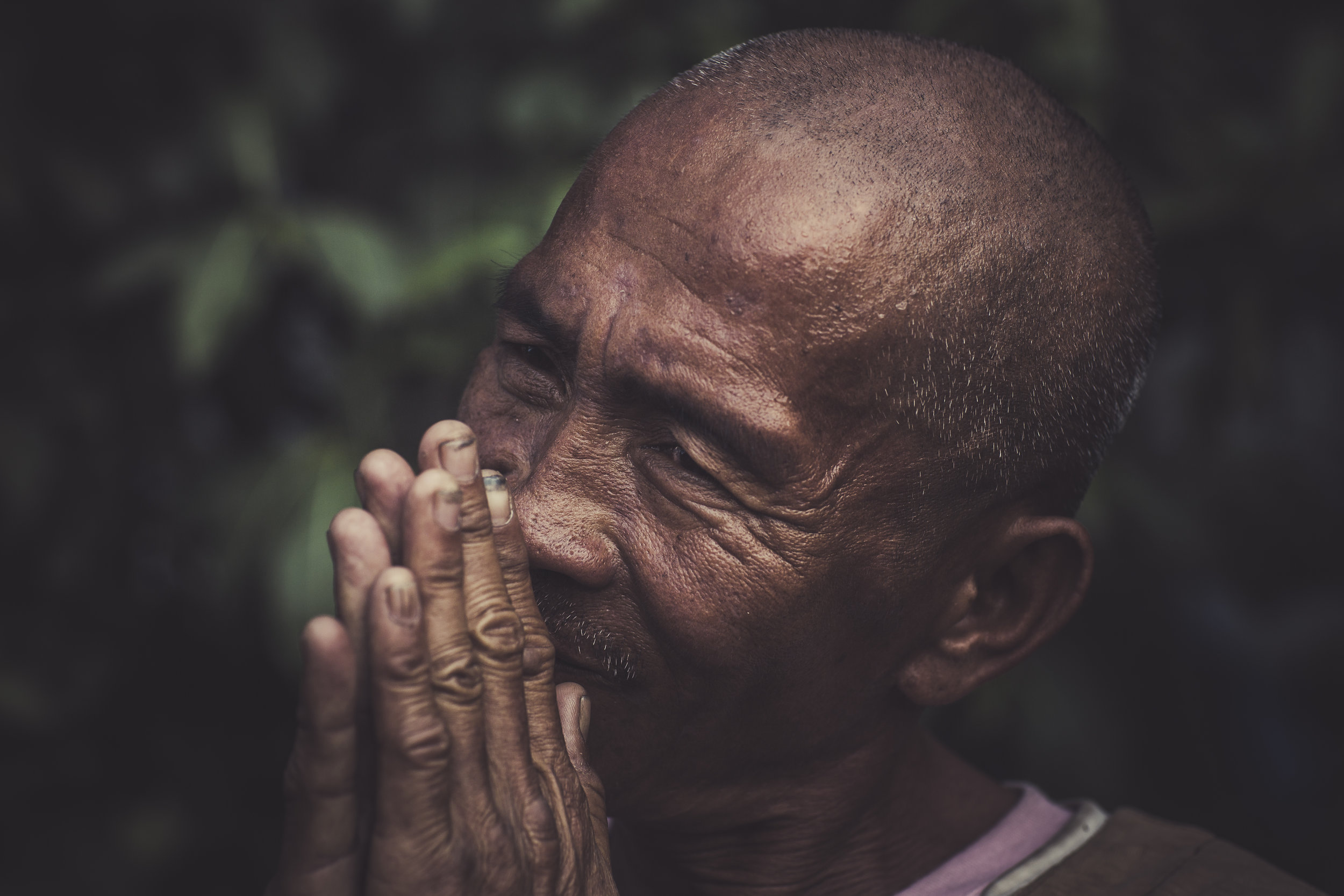
Streets of Manila
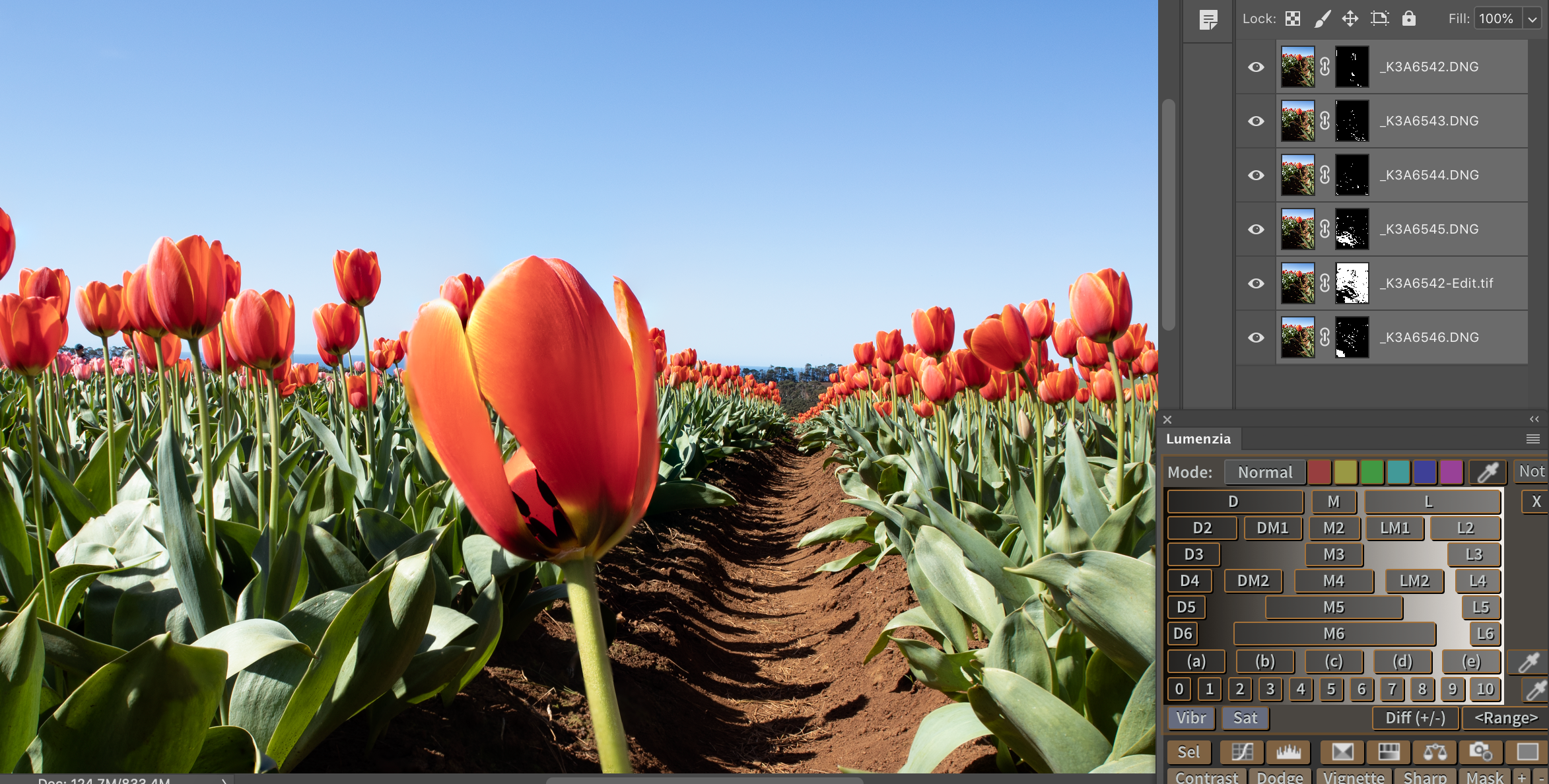
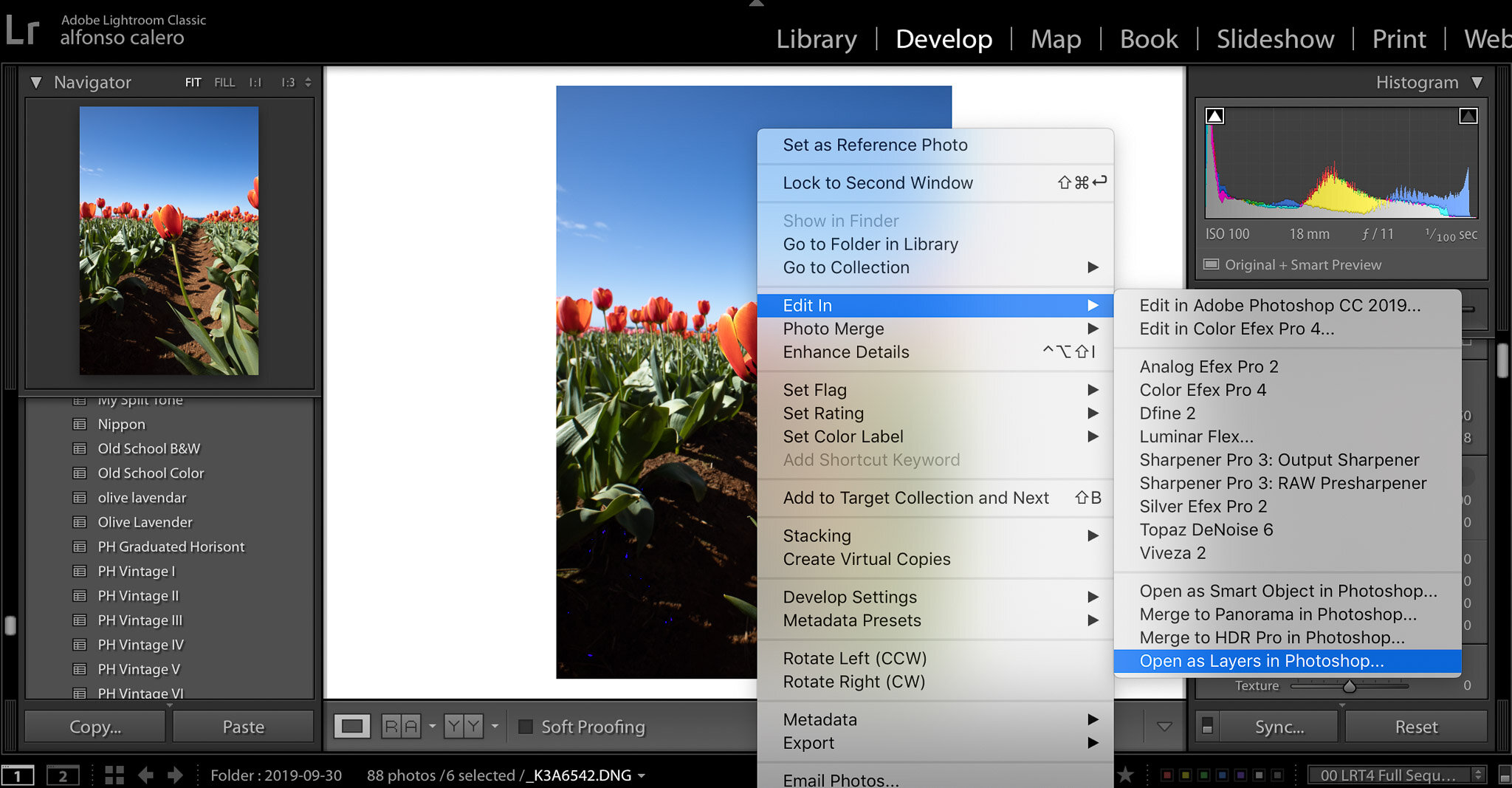
4 Easy Steps to Focus Stacking
What is Focus Stacking?
When you layer photos in Photoshop together at different focus planes to produce one image that is all in focus from the nearest subject to infinity.
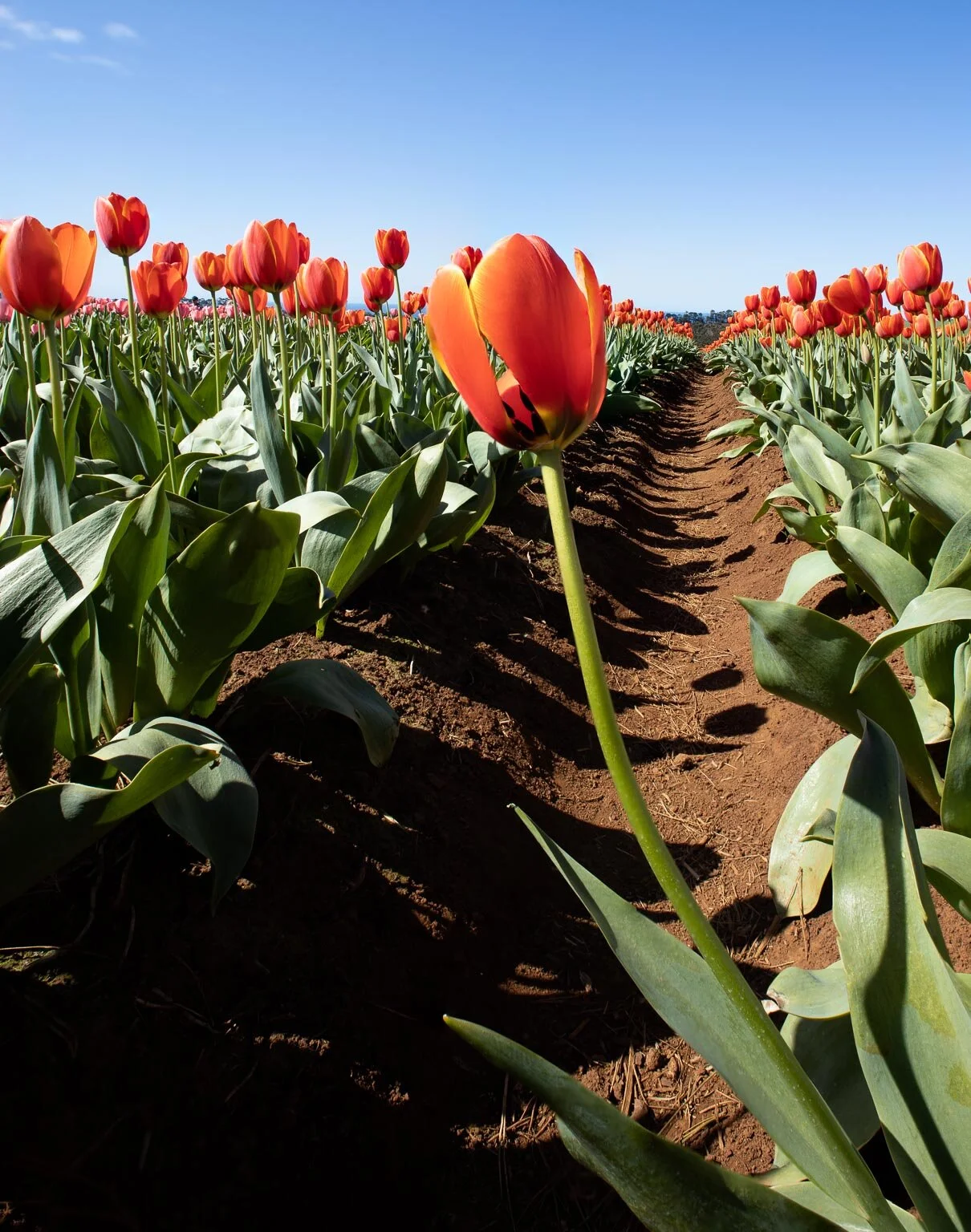
Tulip Farm (Wynyard, Tasmania)
What is Focus Stacking?
When you layer photos in Photoshop together at different focus planes to produce one image that is all in focus from the nearest subject to infinity.
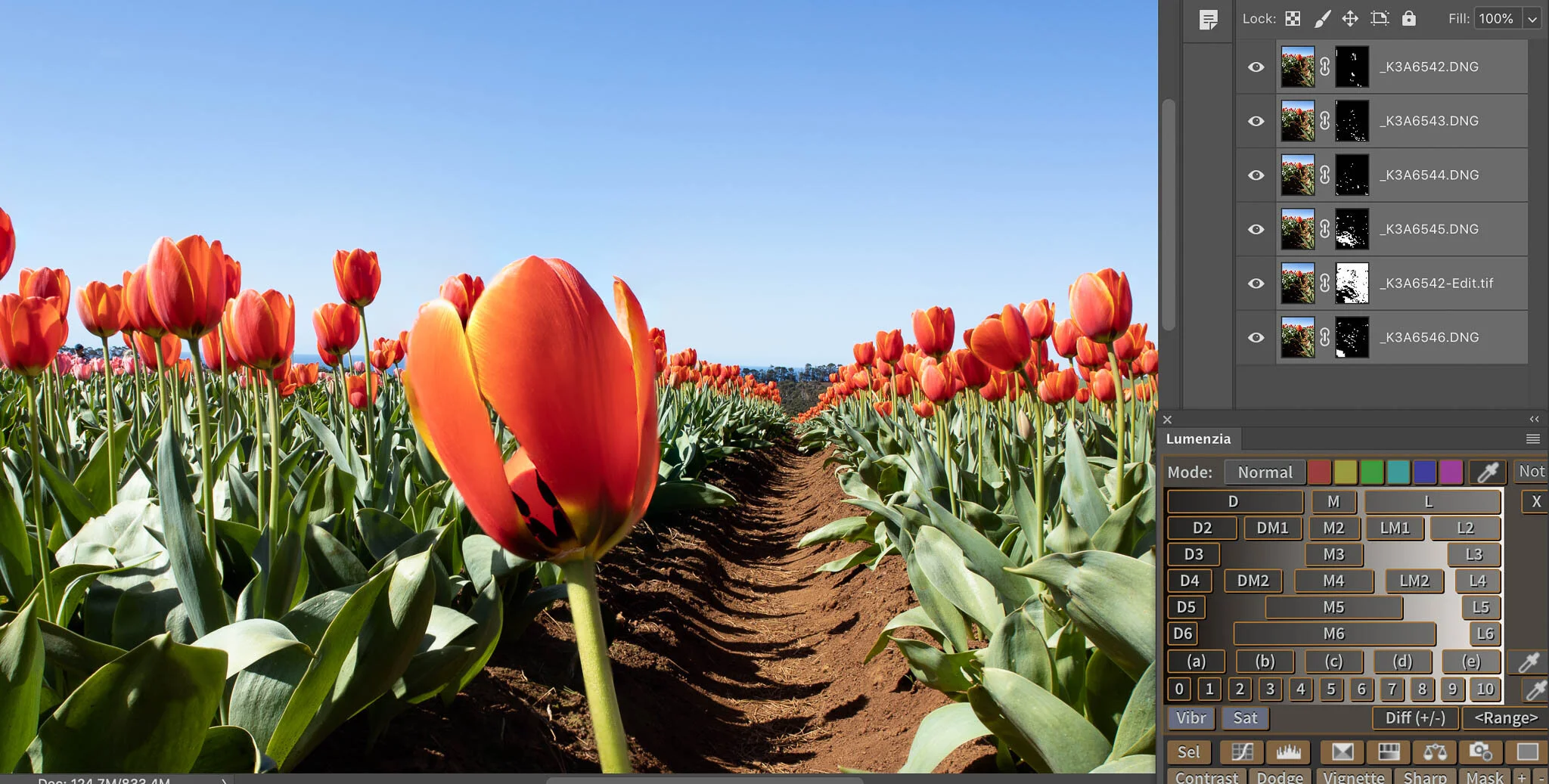
Edited in Lightroom & Focus Stacked in Photoshop
When Should I Focus Stack?
You only need to focus stack your images when you are too close to a subject and the mid & background is not in focus. A perfect scenario is when shooting a flower close up in a landscape as seen the sample of a tulip field in Wynyard, Tasmania.
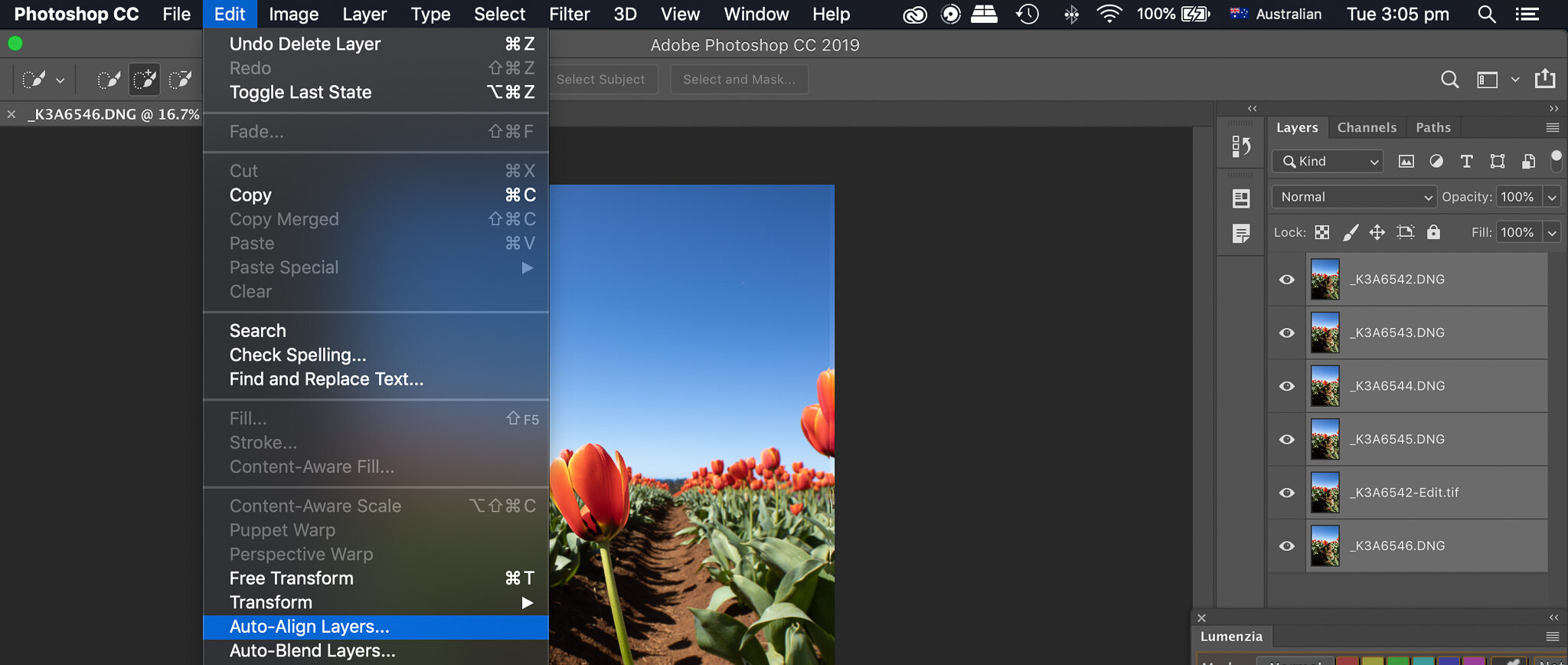
Edit > Auto Align Layers in Photoshop
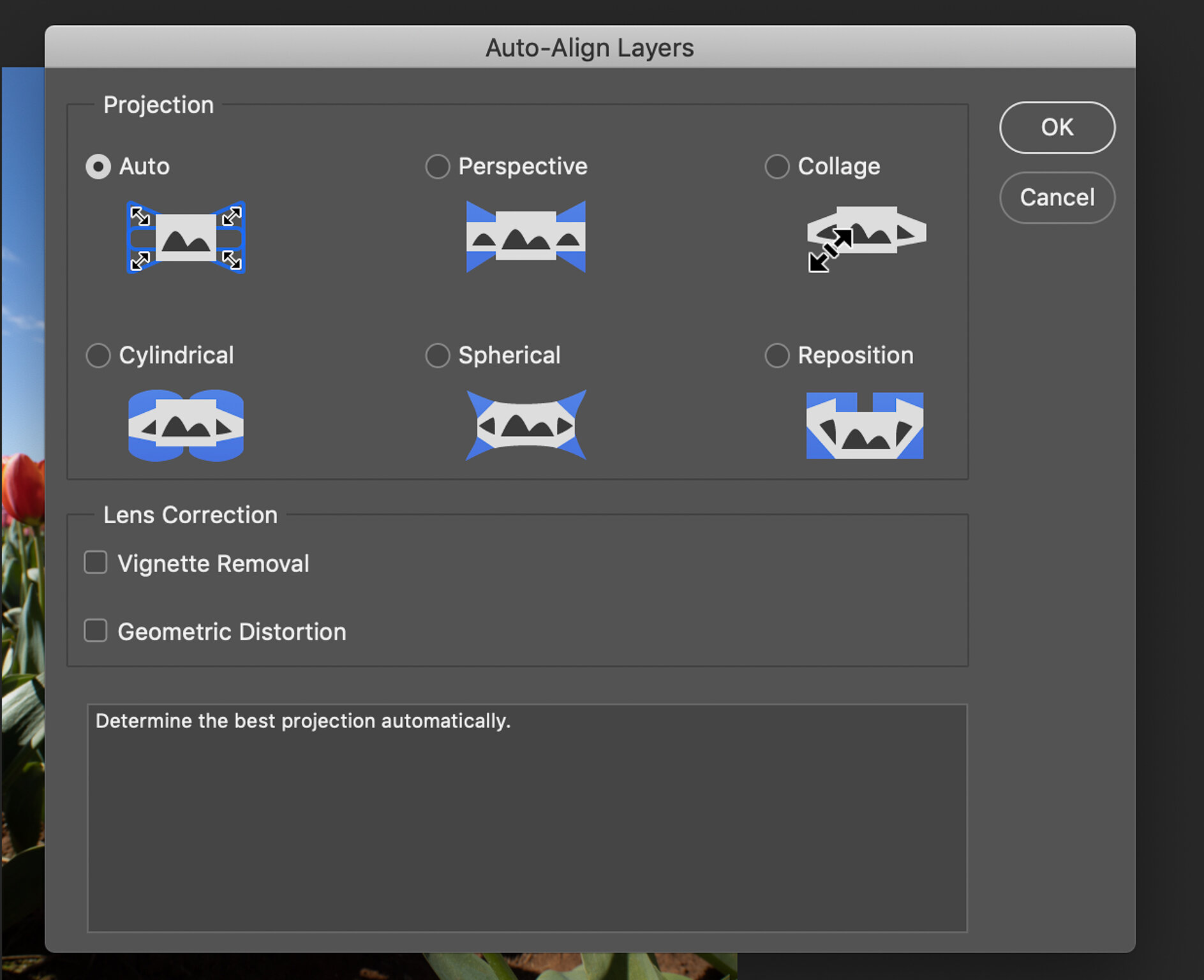
Auto Align Layers
How Do I Focus?
Use a tripod and a wide angle lens (14 - 24mm lens range) Turn on your live view and focus on the nearest point by magnifying x 10. Repeat the process at different planes of focus. Make sure you are also adjusting for any movement (flower in the wind) with a faster shutter speed.
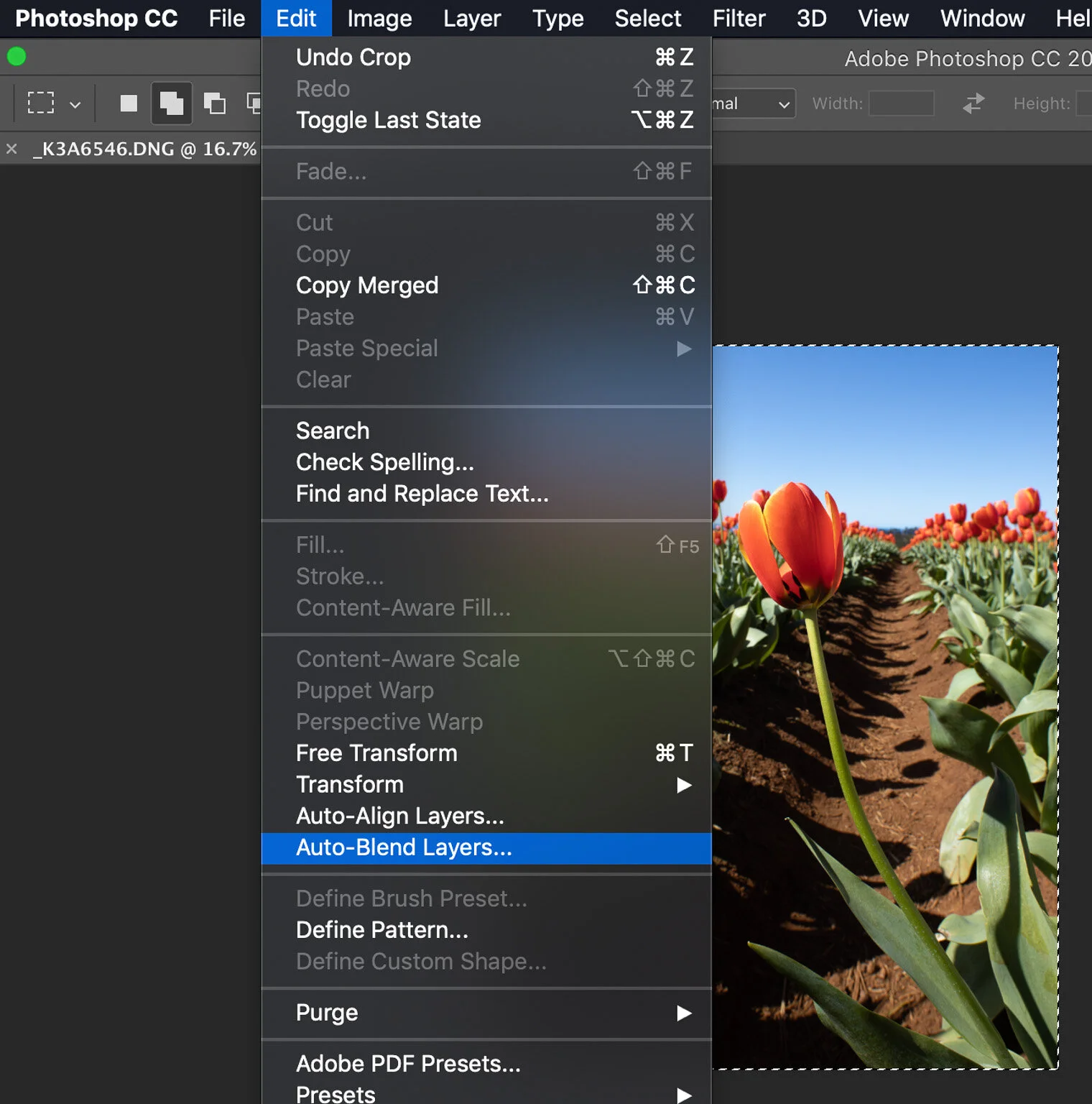
How Do I Edit For Focus Stacking?
In Photoshop open up all the images as layers in Photoshop. Highlight all the layers and choose edit > align layers. Crop accordingly and choose edit > auto blend layers (tick seamless tones & colours) Flatten all your layers and WALA you have your focus stacked image.
Gear Used:
Sirui Carbon Fibre 024X, Carl Zeiss Distagon 18mm Lens, Canos EOSR
Landscape Photography Podcast / Youtube Interview
Listen to this and other episodes wherever you find your podcasts or on https://grantswinbournephotography.co... Or subscribe to his YouTube channel / @grantswinbournephotography
Alfonso Calero grew up in Manila with National Geographic on the coffee table and his father's camera in his hands. After moving to Australia at 15 and spending a year travelling Europe, he eventually turned a lifelong passion into a professional photography career at 30. The path there wound through hotel porter work and tour guiding across multiple languages, and it's that background in connecting with people and places that shapes everything he does.
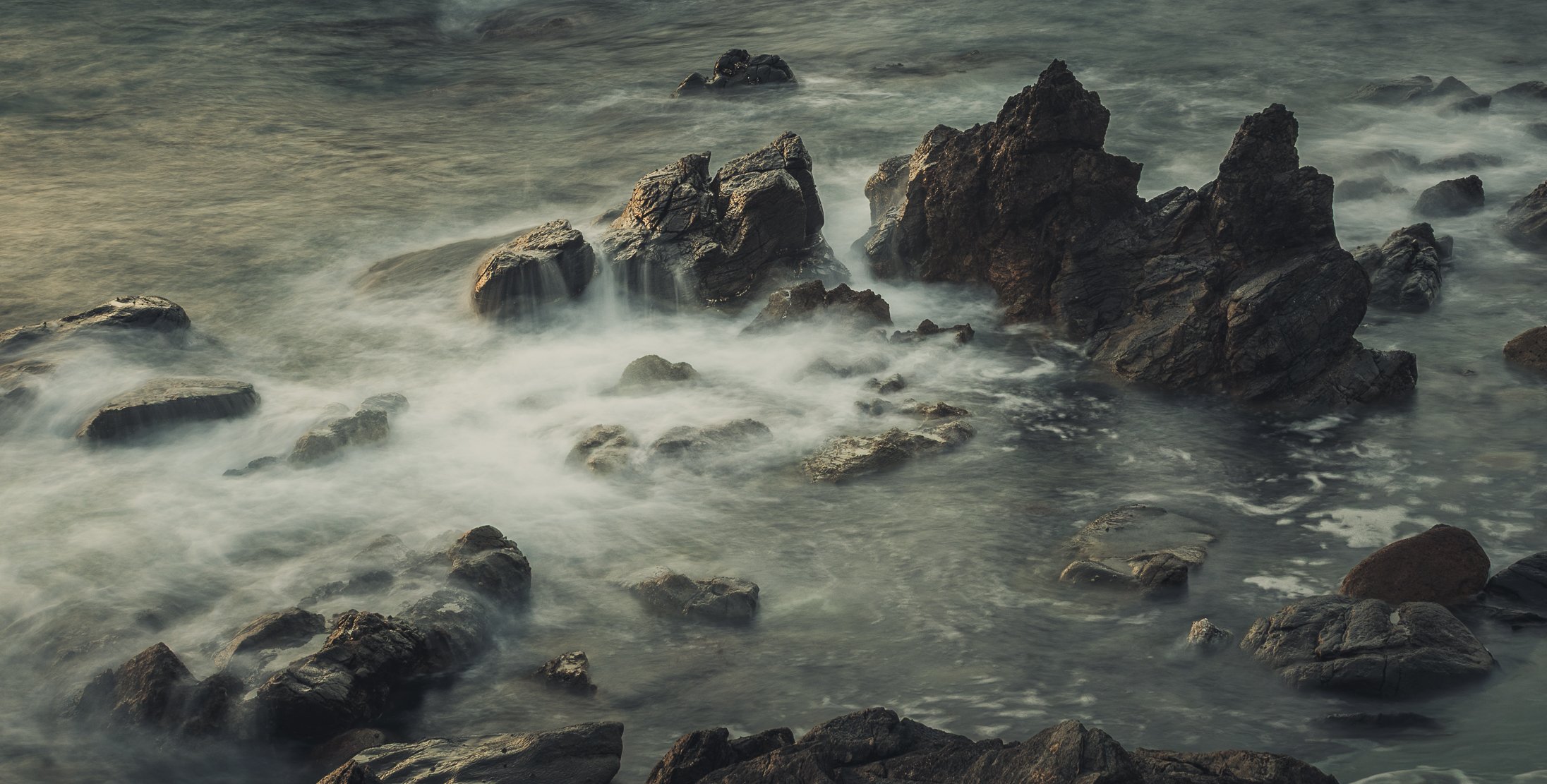
Sado Island, Japan
His photo walks grew from a single Sydney outing into a national business now operating across six Australian cities and internationally in destinations including Tasmania, the Philippines, Japan, Spain and the Faroe Islands. In this episode Alfonso talks about using the camera to build empathy with local communities, the importance of returning to a location repeatedly to truly understand it, and the logistics of running photography experiences that work for complete beginners and experienced shooters alike. I hope you enjoy the show!
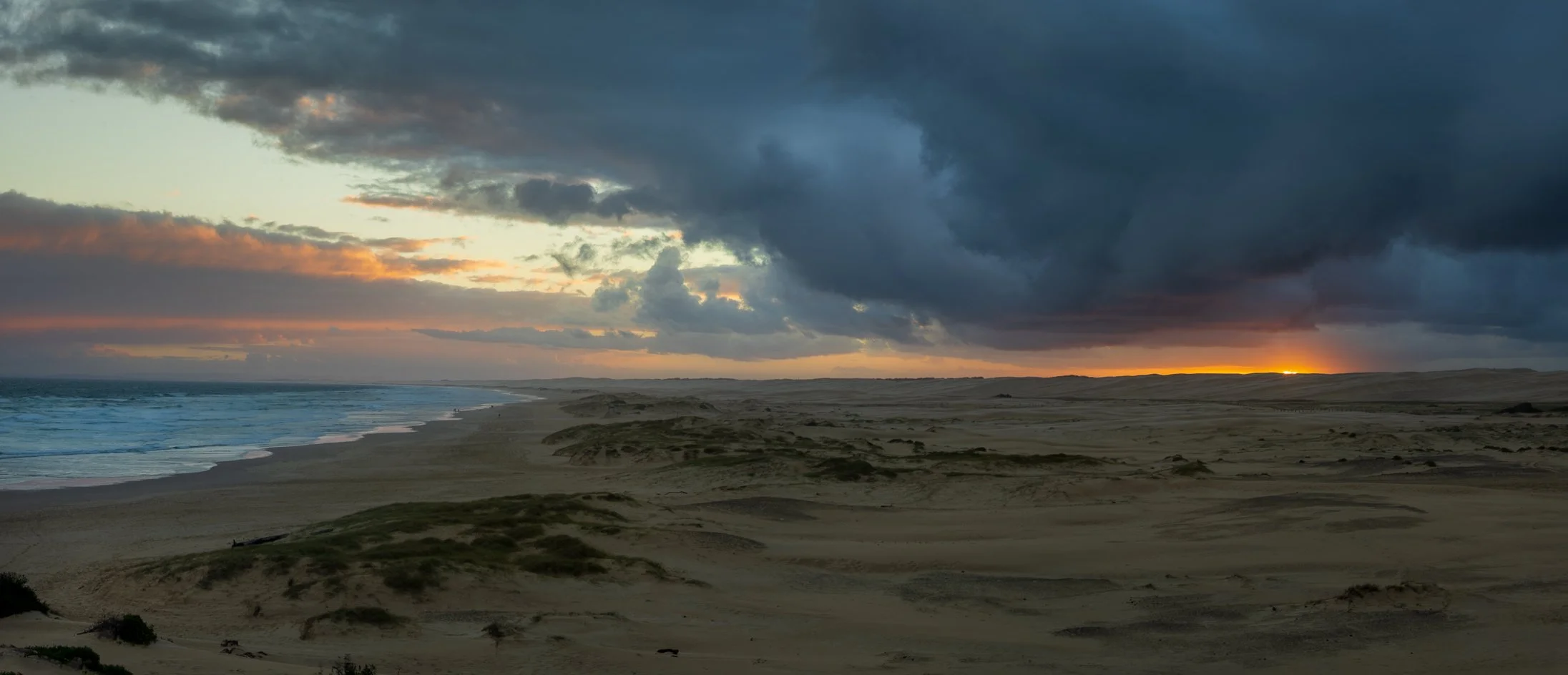
Port Stephens, NSW